
Embarking on the journey to train a dog for service dog work is a profound commitment that can lead to a life-changing partnership. It’s a path that demands patience, dedication, and a deep understanding of the unique responsibilities these incredible animals hold. Unlike emotional support animals or therapy dogs, a service dog is individually trained to perform specific tasks to mitigate a person’s disability. This guide will walk you through the essential steps, considerations, and legal frameworks surrounding this intensive but rewarding process. For those exploring different paths, understanding where to get a trained service dog from an accredited organization is also a valuable first step.
Understanding the True Role of a Service Dog
Before diving into training, it’s crucial to grasp what a service dog is—and what it isn’t. Under the Americans with Disabilities Act (ADA), a service animal is defined as a dog that is individually trained to do work or perform tasks for a person with a disability. This is the key differentiator. Their job isn’t just to provide comfort by being present; they must be trained to take specific actions that their handler cannot.
Service Dog vs. ESA vs. Therapy Dog
It’s a common point of confusion, so let’s clear it up:
- Service Dogs: Perform specific, trained tasks for one individual with a disability. They have federally protected public access rights, meaning they can accompany their handler almost anywhere.
- Emotional Support Animals (ESAs): Provide comfort and emotional support through their presence. They are not trained for specific tasks and do not have the same public access rights as service dogs.
- Therapy Dogs: Provide comfort and affection to people in facilities like hospitals, nursing homes, and schools. They are trained to be calm and friendly with strangers but are not service animals and do not have public access rights.
Understanding this distinction is the first step because the training standards and legal protections are vastly different.
Can Any Dog Be a Service Dog?
While many dogs are intelligent and loving, not all have the right makeup for service work. The ideal candidate possesses a unique combination of traits that go beyond simple trainability. A dog that is reactive, easily stressed, or fearful will not be happy or successful in this role.
Key Temperament and Health Requirements
Before you invest hundreds of hours into training, assess your dog for these essential characteristics:
- Calm and Confident Demeanor: A service dog must remain unflustered by loud noises, crowded spaces, unfamiliar people, and other animals.
- Eager to Please and Trainable: The dog should be motivated and enjoy learning new things. A strong bond with the handler is the foundation of successful training.
- Excellent Socialization: They must be neutral to their environment, able to ignore distractions, and focus solely on their handler. This means not soliciting attention, barking, or showing aggression.
- Sound Physical Health: The dog must be physically capable of performing its required tasks. A thorough check-up from a veterinarian is essential to rule out issues like hip dysplasia or other conditions that could impact their ability to work.
Certain breeds like Golden Retrievers, Labrador Retrievers, and Standard Poodles are common choices due to their temperament, but any dog, regardless of breed, that meets these core requirements can potentially be trained for service work.
The Journey to Train a Dog for Service Dog Work
Training a service dog is a multi-stage process that typically takes 18 to 24 months. It’s broken down into three critical phases: foundational skills, public access training, and disability-specific task training.
1. Foundational Obedience and Socialization
This is the bedrock of all future training. Your dog must have flawless manners before you can even think about specialized tasks. This goes far beyond basic “sit” and “stay.”
- Advanced Obedience: The dog must respond to cues instantly and reliably, even with major distractions. Key commands include a rock-solid heel, lie down, stay for extended periods, and a foolproof recall.
- Socialization: Proper socialization means exposing the dog to a wide variety of sights, sounds, smells, and environments in a positive and controlled way from a young age. The goal isn’t for your dog to love everything, but to be neutral and unbothered by it.
2. Public Access Training
This is where you prepare your dog to accompany you everywhere, from grocery stores and restaurants to public transportation. The goal is for the dog to be “invisible” in public—calm, unobtrusive, and focused only on you.
This involves training for specific scenarios:
- Navigating crowded aisles.
- Tucking neatly under a table at a restaurant.
- Ignoring dropped food on the floor.
- Remaining calm during loud noises or unexpected events.
- Holding a “down-stay” for long durations.
Many handlers find this to be the most challenging phase. It requires immense consistency and the ability to advocate for your dog if a business owner or member of the public is uninformed about service dog laws. For those seeking structured guidance, exploring options like service dog training in north carolina can provide a roadmap.
3. Disability-Specific Task Training
Once your dog has mastered obedience and public access skills, you can begin training the tasks that will directly mitigate your disability. These tasks must be tailored to your specific needs.
Examples of service dog tasks include:
- For Mobility Assistance: Retrieving dropped items, opening/closing doors, providing balance support.
- For Hearing Alerts: Alerting a handler to sounds like a doorbell, smoke alarm, or their name being called.
- For Psychiatric Support: Performing deep pressure therapy (DPT) to calm anxiety, interrupting disassociative episodes, or creating a physical barrier in crowds.
- For Medical Alert: Sensing changes in blood sugar for a diabetic or an impending seizure.
As Dr. Alistair Finch, a certified applied animal behaviorist, states:
“Owner-training a service dog is a marathon, not a sprint. It requires immense patience, consistency, and a deep understanding of both canine behavior and the handler’s specific needs. The bond forged in this process, however, is often unparalleled.”
How to Train a Service Dog for PTSD
Training a psychiatric service dog (PSD) for Post-Traumatic Stress Disorder is a perfect example of specialized task work. The process is similar to what’s outlined in guides on how to train a ptsd service dog, focusing on tasks that address specific symptoms.
Key tasks for a PTSD service dog might include:
- Interrupting Panic Attacks or Anxiety: The dog is trained to recognize the early signs of an anxiety attack (e.g., leg bouncing, hand wringing) and interrupt the behavior by nudging, pawing, or licking their handler.
- Deep Pressure Therapy (DPT): The dog lies across the handler’s lap or chest to provide calming pressure during periods of high stress or after a nightmare.
- Creating Space: In crowded situations that can be triggering, the dog can be trained to stand in front of or behind the handler, creating a physical buffer from other people.
- Waking from Nightmares: A PSD can be trained to turn on a light and gently wake their handler from a night terror.
 A person training their psychiatric service dog to perform a deep pressure therapy task, showcasing a key part of how to train a dog for service dog duties.
Owner-Training vs. Professional Programs
You have two main paths: training the dog yourself (with or without a private trainer’s help) or obtaining a fully trained dog from an organization.
- Owner-Training: This can be a more affordable route and allows you to build a bond from day one. However, it requires significant time, skill, and emotional resilience. You are both the student and the teacher. Financial obstacles can be a challenge, though exploring options like grants for service dog training can sometimes help.
- Program-Trained Dogs: These dogs come from accredited organizations and are already experts in their field. The waitlists can be long (years) and the costs high, but you receive a dog that is ready to work.
For many, a hybrid approach works best: owner-training under the regular guidance of a professional service dog trainer. This gives you the bonding benefits of owner-training with the expert support needed to succeed. Whether you’re in Texas seeking service dog training fort worth or elsewhere, finding a qualified local professional is key.
Frequently Asked Questions (FAQ)
How long does it take to train a dog for service dog work?
On average, it takes 1.5 to 2 years to fully train a service dog. This includes basic obedience, socialization, public access training, and specialized task training. The timeline can vary depending on the dog’s aptitude and the complexity of the tasks required.
What is a public access test?
A public access test is a standardized evaluation to ensure a service dog is well-behaved, safe, and unobtrusive in public. It tests the dog’s ability to handle distractions, remain calm, and follow commands in real-world settings like stores and restaurants. While not legally required by the ADA, it is the gold standard for responsible handlers to ensure their dog is ready.
Do I need a special vest or certification to train a dog for a service dog?
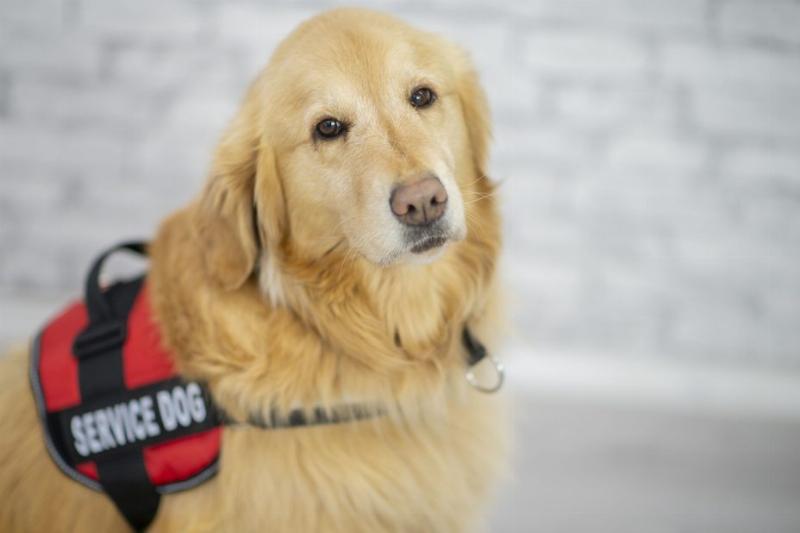
Under the ADA, service dogs are not required to wear a vest, ID tag, or have any special certification. However, many handlers choose to use vests to signal to the public that the dog is working. Be wary of online “registries” or “certifications,” as they are not recognized by law and hold no legal weight.
What are the two questions a business can ask me about my service dog?
If it is not obvious what service an animal provides, staff are legally allowed to ask only two questions: (1) is the dog a service animal required because of a disability, and (2) what work or task has the dog been trained to perform. They cannot ask about your disability, require medical documentation, or ask the dog to demonstrate a task.
Can I train my pet dog to become my service dog?
Yes, it is possible to train your own dog, provided they have the right temperament, age, and health. The process is challenging and requires a significant commitment. It’s highly recommended to work with a professional trainer who has experience with service dogs to guide you through the process successfully.
A Partnership Built on Trust and Training
To train a dog for service dog work is to build one of the deepest bonds imaginable. It’s a journey that transforms a beloved pet into a vital partner, a furry lifeline that provides independence, security, and confidence. While the path is long and the standards are high, the result is a partnership that empowers a handler to navigate the world with a loyal, skilled, and dedicated companion by their side.
