
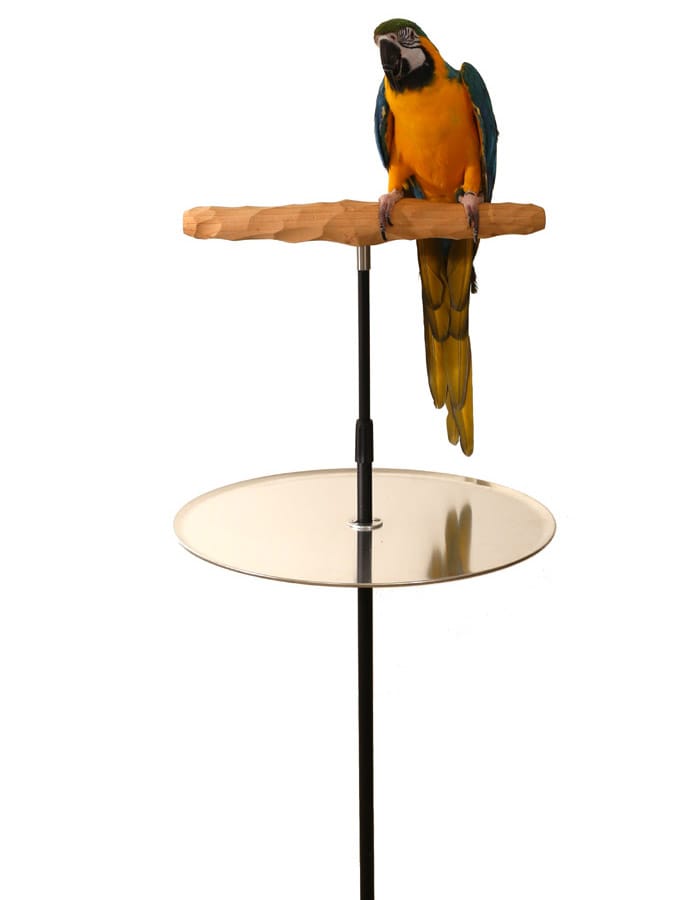
Teaching your pet bird to poop in a designated spot within its cage might seem like a daunting task, but it’s achievable with patience and consistency. This guide will walk you through the process, transforming your feathered friend into a well-mannered companion. Birds are intelligent creatures, and with the right approach, they can learn to control their droppings, making cage cleaning significantly easier and the overall living environment more hygienic.
Understanding Bird Droppings and Behavior
Before diving into training, it’s essential to understand a bird’s natural defecation habits. Birds typically poop frequently, often right after waking up, after eating, or when they feel stressed or excited. Their droppings consist of three parts: feces (the solid, usually green or brown part), urates (the white, chalky part), and urine (the clear, liquid part). Understanding this composition helps in assessing your bird’s health, but for training purposes, we focus on the general act of elimination.
Birds often eliminate waste before flying or when they feel the urge. Recognizing these cues can be helpful during the training process. Some birds may instinctively avoid soiling their immediate roosting or eating areas, a behavior that can be leveraged.
The Basics of Bird Potty Training
The core principle of training a bird to poop in a cage involves positive reinforcement and consistency. Just like training a dog or a cat, you’ll want to reward desired behavior and gently redirect unwanted behavior. The key is to make the designated potty spot appealing and the act of using it rewarding.
It’s important to note that “potty training” for birds is slightly different from that of mammals. You are essentially teaching them to associate a specific location within their cage with elimination, rather than expecting them to hold it for extended periods.
Step-by-Step Guide to Potty Training Your Bird
1. Choose the Right Location
Select a specific corner or a designated perch within the cage that will serve as the bird’s “potty spot.” This area should be easily accessible for your bird. You might consider placing a disposable tray or a piece of newspaper directly underneath this spot to catch the droppings, making cleanup simpler.
2. Observe and Anticipate
Spend time observing your bird’s habits. Note when it typically poops. Common times include:
- Shortly after waking up.
- After meals.
- When it seems restless or is about to fly.
- When it’s about to perch.
Anticipating these moments allows you to gently guide your bird to the designated spot.
3. Gentle Guidance and Placement
When you notice signs that your bird needs to poop, gently pick it up and place it on its designated potty perch or in the chosen corner of the cage. Do this calmly and without force. The goal is to associate the location with the action.
4. Positive Reinforcement is Key
This is the most crucial step. Whenever your bird successfully eliminates in the designated spot, offer immediate and enthusiastic praise. This can be in the form of:
- Verbal praise (“Good bird!”, “Yes!”)
- A small, favorite treat (a tiny piece of fruit or a seed)
- A gentle head scratch or a favorite toy
The reward should be given within seconds of the desired action to ensure the bird connects the reward with pooping in the right place. This positive association is vital for effective learning.
5. Consistency and Patience
Training takes time and repetition. Do not get discouraged if your bird has accidents. Accidents are a normal part of the learning process. Simply clean up the mess without scolding or punishing your bird, as this can create fear and hinder training. Continue to patiently guide, reward, and reinforce the desired behavior.
- Accidents Happen: If your bird poops outside the designated area, calmly clean it up. Avoid making a fuss, as negative attention can be counterproductive. The key is to remain consistent with your positive reinforcement for successes.
6. Using a Target Word or Signal
You can introduce a specific word or a gentle whistle sound at the moment you place your bird on the potty spot. Over time, your bird may begin to associate the word or sound with the act of pooping, which can be helpful in reinforcing the habit.
7. Making the Potty Spot Attractive
Ensure the potty spot is clean and appealing. If you are using newspaper or a tray, change it regularly to prevent odors and maintain hygiene. A clean environment encourages your bird to use the designated area.
Common Challenges and Solutions
Challenge: My bird keeps pooping everywhere despite my efforts.
Solution: This is common, especially in the beginning. Re-evaluate your observation skills – are you anticipating the need correctly? Ensure your rewards are highly motivating for your bird. Sometimes, it takes weeks or even months for birds to fully grasp the concept. Stay consistent and positive.
Challenge: My bird seems scared when I try to place it on the potty spot.
Solution: You might be moving too quickly or forcefully. Approach your bird calmly. If it shows signs of stress, back off and try again later. You can also try luring it to the spot with a treat first, and then rewarding it for simply being there, before expecting it to poop.
Challenge: My bird poops immediately after I take it off the potty spot.
Solution: This can happen if the bird felt rushed or if it needed to go very urgently. Try leaving it on the potty spot for a few extra seconds, or wait a moment after it gets off before engaging it in play.
Advanced Tips and Considerations
- Out-of-Cage Training: Once your bird is reliably pooping in its cage, you can begin to generalize the behavior. When your bird is out of its cage for supervised playtime, try to anticipate when it needs to go and gently guide it back to its cage to use its potty spot. Reward it for doing so.
- Consistency Across Caregivers: If multiple people care for the bird, ensure everyone is using the same training methods and reinforcement strategies. This unified approach is critical for successful training.
- Species Differences: While the general principles apply to most pet birds, some species might be easier or harder to train than others. Larger parrots, for example, may require more time and patience.
The Benefits of a Potty-Trained Bird
Successfully training your bird to poop in a designated area offers numerous advantages:
- Cleaner Cage: Reduces the mess and frequency of full cage cleanings.
- Improved Hygiene: Minimizes the spread of bacteria and odors within the home.
- Easier Handling: Makes it more comfortable to have your bird out of its cage, as the risk of accidental droppings on you or your furniture is significantly reduced.
- Stronger Bond: The training process itself strengthens the bond between you and your bird through positive interaction and understanding.
Conclusion: Building a Cleaner, Happier Home with Your Bird
Training a bird to poop in a cage is a rewarding endeavor that enhances the experience of bird ownership. It requires understanding your bird’s natural behaviors, employing consistent positive reinforcement, and maintaining patience. By following these steps, you can help your feathered companion develop this valuable habit, leading to a cleaner living environment for both of you and a deeper, more harmonious relationship. Remember, every bird learns at its own pace, so celebrate the small victories and enjoy the journey of teaching your bird new skills. With dedication, you can achieve a well-trained bird that is a joy to live with.
