
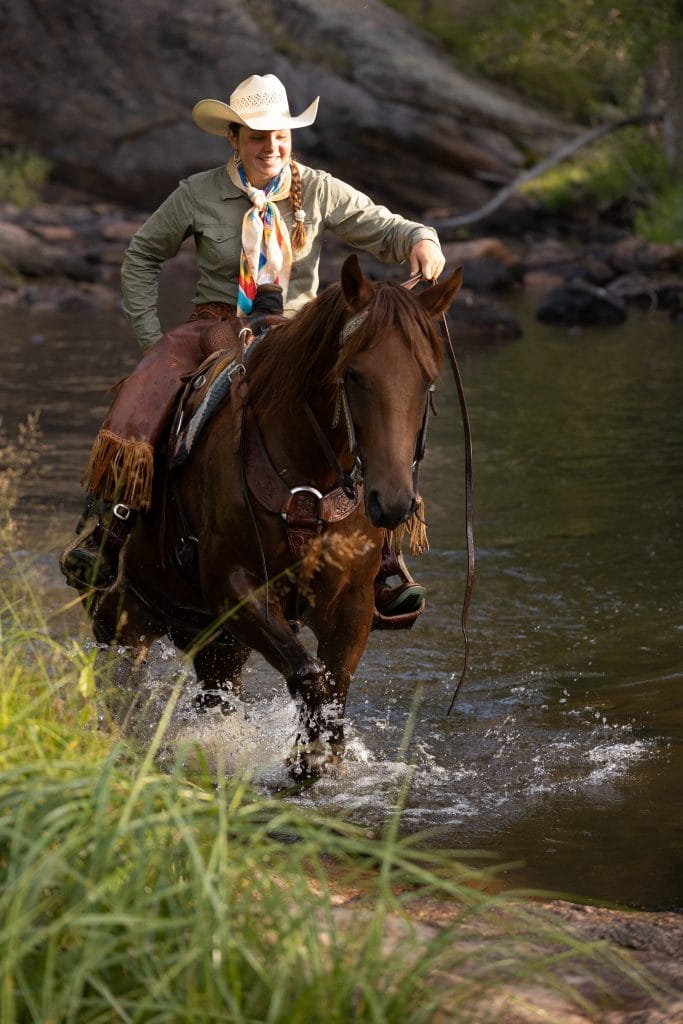
Embarking on the trail with your horse should be an experience of pure joy and connection, a harmonious dance between rider and equine partner. However, the journey from the arena to the open trail can sometimes present challenges, requiring specific training to ensure both horse and rider feel confident, safe, and connected. Trail Horse Training isn’t just about teaching your horse to navigate obstacles; it’s about building a deep-seated trust and understanding that allows you to explore the world together, from local parks to rugged mountain paths. This comprehensive guide will delve into the essential principles and practical techniques for successful trail horse training, fostering a partnership that thrives both in and out of the arena.
The foundation of any successful trail horse lies in a solid groundwork and basic riding education. Before even considering a trail ride, your horse should be responsive to your aids, comfortable with various tack, and exhibit a degree of self-carriage and balance. A horse that is already well-trained in a controlled environment will find the transition to the unpredictable nature of the trail much smoother. This includes having a reliable stop, a steady walk, and responsiveness to leg cues for direction.
Understanding Trail Challenges and Equine Psychology
The trail presents a unique set of stimuli that can be unnerving for horses. Unexpected sights, sounds, and sensations – a rustling bush, a scampering squirrel, the distant lowing of cattle, or even a different footing – can trigger a horse’s natural flight response. Understanding this inherent instinct is crucial for a trainer. Our goal isn’t to eliminate this response but to teach the horse to trust its rider’s guidance and remain calm and focused, even when faced with novel situations.
Horses are herd animals, and their sense of security often comes from being with other horses. When training a horse to ride alone on the trail, it’s important to gradually build their confidence in their own ability to handle situations without the calming presence of a stablemate. This gradual exposure and positive reinforcement are key to developing a brave and independent trail horse. Building trust is paramount; the horse needs to believe that you will protect them and guide them through any perceived danger.
Essential Trail Training Exercises
Desensitization: Tackling the Unknown
One of the most critical aspects of trail training is desensitization. This involves exposing your horse to a wide variety of stimuli in a controlled and positive manner, teaching them that these things are not to be feared. This can include:
- Environmental Novelties: Introduce them to flapping objects (like tarps or flags), sudden noises (dropped buckets, air horns at a safe distance), water crossings, different types of footing (mud, gravel, sand), and bridges. Start at a distance where your horse is aware but not yet anxious, and gradually decrease the distance as they show signs of relaxation.
- Other Creatures: Safely introduce them to common trail encounters like dogs, deer, bicycles, or even other unfamiliar animals at a distance they can tolerate.
- Equipment: Ensure they are comfortable with various types of saddle bags, saddle pads, and even the sounds associated with trail riding gear.
Confidence Building on the Trail
When you begin actual trail rides, start with short, familiar routes during calm weather. The objective is to create positive experiences.
- Riding Alone: If your horse is accustomed to riding with company, gradually introduce solo rides. Begin with short durations in familiar areas before venturing further or on more challenging terrain.
- Obstacle Negotiation: Incorporate natural obstacles into your rides. This can include logs to step over, ditches to cross, uneven terrain, and gentle inclines/declines. Teach your horse to stand and assess an obstacle, then encourage them to cross calmly. If they hesitate, approach it as a team, perhaps walking alongside them for the first few times.
- Backing Up and Turning: Practice backing your horse up on the trail, especially on inclines. This is a vital safety skill. Also, work on sharp turns and pivots, which can be necessary for navigating tight spots or reversing direction.
- Water Crossings: Many horses are hesitant about water. Start with shallow, clear water sources. Encourage them to step in, perhaps by leading them initially or by riding a confident horse alongside. Reward any progress, no matter how small.
Specific Scenarios and Solutions
Spooking and Bolting
This is a common concern. If your horse spooks, the immediate priority is to regain control. Do not allow your horse to bolt. Try to turn them back towards the frightening object to desensitize them, or at least get them to move sideways away from it. Once you have control, calmly reassess the situation. If they are genuinely scared, retreat to a safe distance and try again later, or make a note to work on desensitization in that specific area. Consistent, calm handling is key. For horses that tend to bolt, the happy trails horse training philosophy emphasizes building trust and responsiveness so they look to their rider for guidance rather than reacting impulsively.
Refusals and Hesitations
A horse that refuses to cross an obstacle or move forward often does so out of fear or uncertainty. Patience is crucial here. Never force a horse; instead, try to understand the source of their hesitation. This might involve dismounting and walking the obstacle yourself, or leading your horse to it calmly. Sometimes, a gentle nudge with your leg or a soft tap with a training stick can encourage them, but the focus should always be on building their willingness, not on overcoming their will through force. If your horse is consistently refusing, it might indicate a need for more foundational work or a specific fear that needs addressing, potentially with the help of a professional like rebecca curtis horse trainer or michelle lovell horse trainer who specialize in different training methodologies.
Riding in a Group vs. Alone
Many horses are more confident when ridden in a group. Training a horse to be comfortable riding alone is a separate skill that requires dedicated practice. If your horse is anxious when separated from the group, start with short separations where they can still see or hear the other horses. Gradually increase the distance and duration. Ensure they have a job to do, like navigating an easy trail section, to keep their focus on you and the task at hand.
Integrating Professional Guidance
While many aspects of trail horse training can be done by dedicated owners, sometimes seeking professional help can accelerate progress and prevent ingrained bad habits. Trainers like sheila lewis horse trainer or michelle giangiulio horse trainer may offer specialized clinics or lessons that focus on trail readiness. They can assess your horse’s temperament and your riding skills, providing tailored exercises and advice.
The Importance of Equipment
Appropriate trail riding equipment is vital for both safety and comfort. Ensure your saddle fits both you and your horse well, providing stability and security. A good bridle and bit that your horse is comfortable with are essential for clear communication. Saddle bags should be packed efficiently, distributing weight evenly, and should not impede the horse’s movement or balance. A well-maintained horse, with regular hoof care and dental check-ups, is also fundamental for safe and enjoyable trail rides.
Conclusion: A Rewarding Partnership
Trail horse training is an ongoing journey, not a destination. It requires patience, consistency, and a deep understanding of your horse’s needs and natural instincts. By gradually introducing your horse to the sights and sounds of the trail, building their confidence with positive reinforcement, and maintaining clear communication, you will foster a partnership that is not only safe and enjoyable but deeply rewarding. The shared adventures on the trail, made possible by dedicated training, forge an unbreakable bond between horse and rider, a testament to the power of trust and mutual respect. Embrace the process, celebrate the small victories, and look forward to countless memorable rides ahead.
