
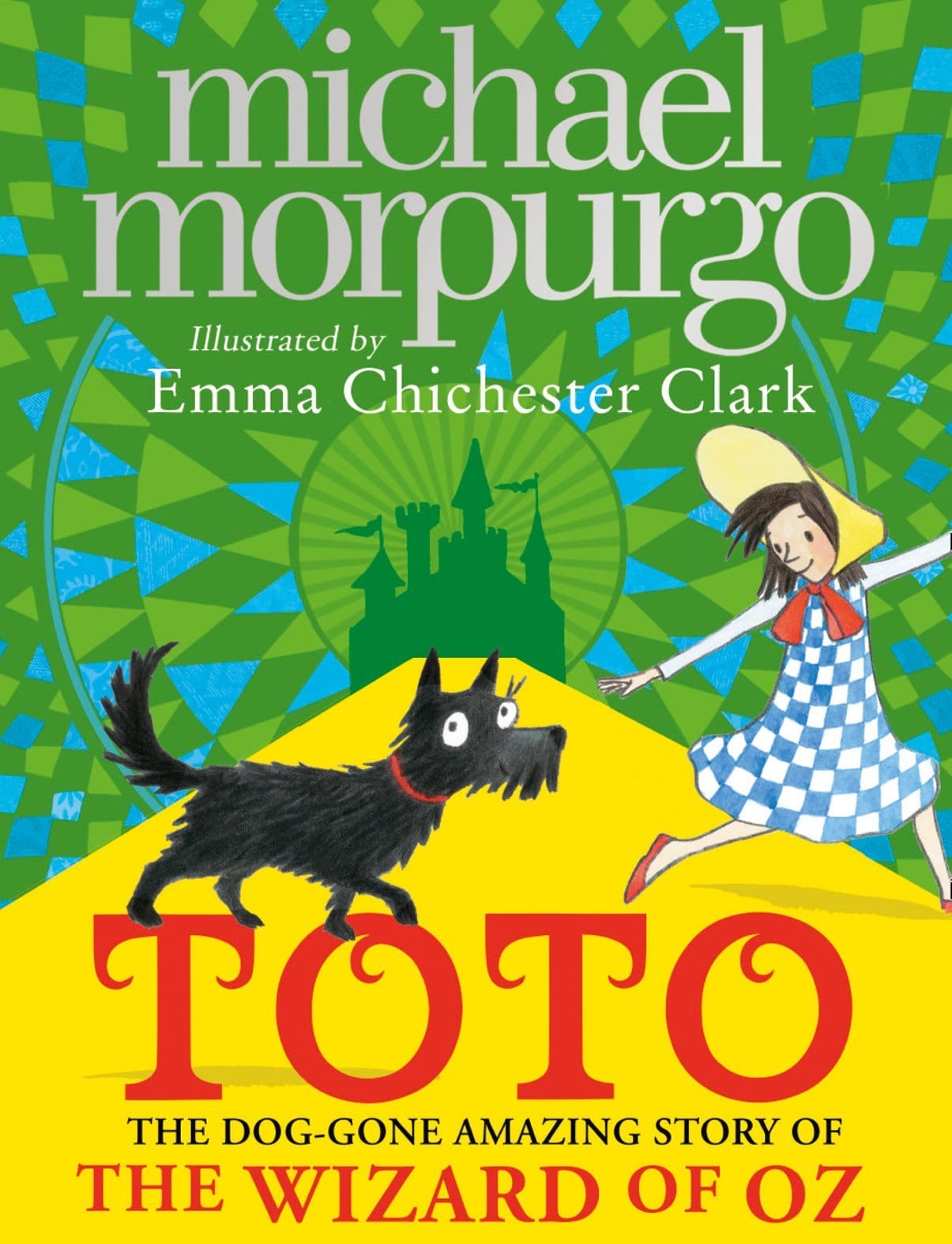
When animal control comes for Toto, it signals the beginning of a journey far from the familiar landscapes of Kansas. A.J. Hackwith’s novel, Toto, reimagines the classic The Wizard of Oz from the unique perspective of Dorothy’s loyal canine companion. This fresh take offers a snarky, insightful commentary on the beloved story, infusing it with contemporary relevance and a critical look at societal issues. The dog in the wizard of oz serves as a central theme, exploring the inherent nature of dogs and their capacity for loyalty and instinct.
Dorothy, though still pure of heart, is a modern teen navigating her world with a smartphone and a hoodie. Her companions—the Scarecrow, the Tin Woodsman Nick Chopper, and the Cowardly Lion—are re-envisioned with distinct personalities and backstories. Nick Chopper, a self-made construct, boasts an impressive vocabulary, while the Cowardly Lion presents as a thoughtful, reserved feline. Even the Wizard is portrayed as a cunning crook, adding layers to the familiar narrative. The story is peppered with fantastical elements, including a revolutionary bluejay, a bubble-propelled witch, and a young, innovative flying monkey.
Toto himself is a central character, given the ability to speak and a voice filled with witty observations. His internal struggle between being a “good dog” and a “bad dog” raises questions about the effectiveness of good behavior when faced with adversity, particularly when animal control intervenes. Unlike his role in the original tale, Toto possesses greater agency, embarking on adventures independent of Dorothy. This increased agency highlights the dog’s evolving role in contemporary storytelling, moving beyond a mere sidekick to a character with his own motivations and challenges.
Hackwith skillfully weaves in allegorical elements relevant to modern society. The narrative touches upon political commentary, with characters like the bluejay spouting leftist rhetoric, and highlights the dangers of manipulation and the subjugation of certain groups. The exploitation of the less fortunate by the powerful mirrors contemporary issues of wealth inequality and environmental degradation. This critical lens suggests that Oz was never merely a product of pure imagination, but rather a reflection of the societal turmoil and opinions of its creator, L. Frank Baum. The story’s engagement with themes of economic pressure and political division resonates deeply with present-day concerns.
The novel encourages familiarity with more than just the 1939 film adaptation. Hackwith draws from Baum’s original fourteen Oz novels, as well as works like Gregory Maguire’s Wicked and subsequent Oz books by various authors. This rich tapestry of source material allows for a deeper exploration of the Oz universe and its underlying messages. The story also emphasizes the concept of a literary road trip as a journey of self-discovery. Dorothy and Toto, along with their companions, navigate their individual paths, highlighting the importance of the journey over the ultimate destination. Dorothy’s feelings about Kansas and her potential to forge her own identity in a challenging world offer a powerful message for readers who may feel constrained by their origins.
Hackwith’s portrayal of the surviving wicked witch is a delightful addition, questioning the notion that one can only have one home. Toto is described as a fun romp, appealing to a young adult audience while also charming older readers with its nostalgic yet fresh take on the Oz narrative. The novel’s exploration of how one perceives the world from different perspectives—whether from a towering height or from just five inches off the ground—offers a unique insight into the “unvarnished truth.” This perspective shift is particularly relevant when considering how societal issues are perceived and addressed.
Toto by A.J. Hackwith is a compelling reimagining that honors the spirit of the original while injecting it with modern relevance and a critical, canine-centric perspective. It serves as a reminder that even the smallest among us possess a powerful instinct to protect what they hold dear, a “Growl” that echoes the primal nature of the first wolves.
References:
- Hackwith, A.J. Toto. Ace, 2024.
- Writers Digest Interview: “A. J. Hackwith: On the Fortitude of Little Dogs.”
- Fresh Fiction: “A. J. Hackwith | Conversations in Character with Toto.”
- Nerd Daily: “Storytelling Is Political, And That’s A Good Thing.”
- The Wonderful Wizard of Oz by L. Frank Baum (Project Gutenberg).
- The Tin Woodman of Oz by L. Frank Baum (Project Gutenberg).
