
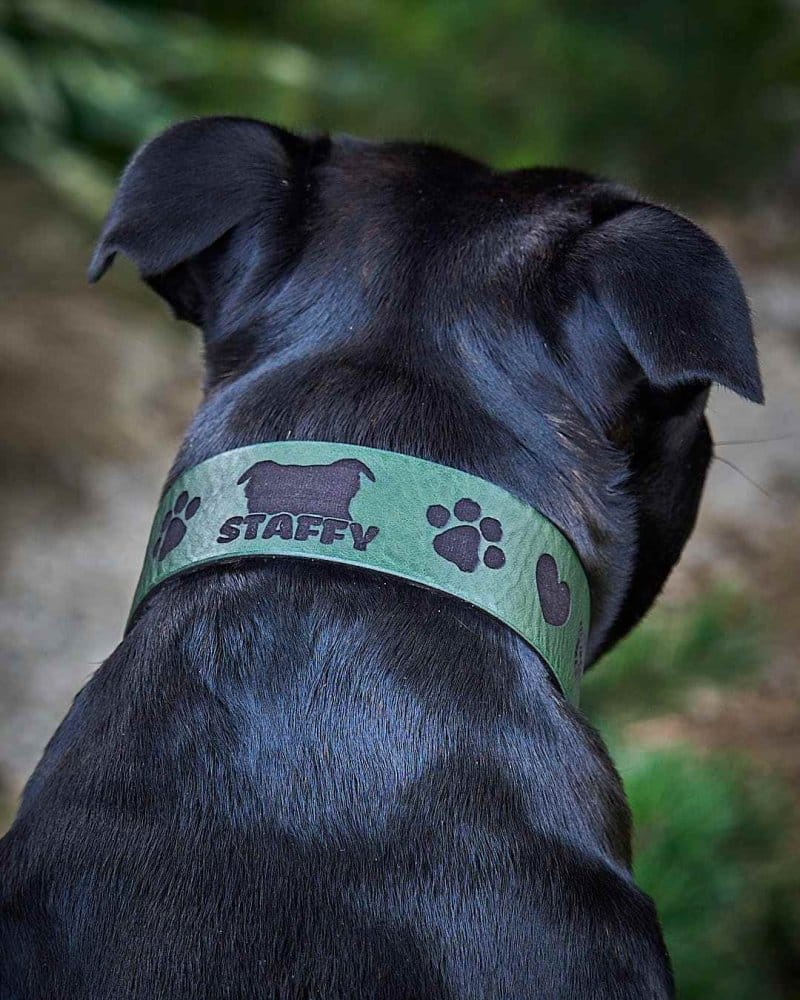
Choosing the right tool for training your canine companion can feel overwhelming. A simple walk in the park can turn into a stressful tug-of-war, and off-leash commands can feel like a distant dream. The market is flooded with options, but finding the truly Top Training Collars For Dogs requires understanding your specific needs and your dog’s unique personality. This guide is designed to cut through the noise, offering a clear, humane, and effective approach to selecting and using a training collar to build a better bond between you and your furry friend. A well-chosen collar is more than just a restraint; it’s a communication device that, when used correctly, can transform your training sessions.
Understanding the various options is the first step. For instance, many owners seek out the best collar for training dogs without first learning about the different mechanisms and philosophies behind each type. From simple harnesses to sophisticated electronic models, each collar serves a distinct purpose.
Understanding the Types of Dog Training Collars
Before you can pick the best collar, you need to know what’s out there. The term “training collar” covers a wide range of devices, each with its own method of providing feedback to your dog. Let’s break down the most common categories.
Martingale Collars
A martingale collar is a fantastic choice for dogs with narrow heads, like Greyhounds or Whippets, who can easily slip out of standard collars. It’s designed with two loops; the larger loop slips onto the dog’s neck, and the smaller loop tightens gently when the dog pulls, preventing escape without choking. This limited tightening action provides controlled feedback, making it a safer alternative to a traditional choke chain. It’s an excellent tool for basic leash manners.
Head Halters
Often mistaken for muzzles, head halters (or head collars) work on the principle that where the head goes, the body will follow. One strap fits around the dog’s muzzle and another behind the ears. The leash attaches under the chin. When the dog pulls, the halter gently guides their head towards you, redirecting their attention and making it physically difficult to lunge forward. This offers incredible control over strong pullers without putting pressure on the trachea.
No-Pull Harnesses
A no-pull harness is one of the most popular and humane tools for managing dogs that pull on the leash. Unlike standard harnesses that clip on the back (which can actually encourage pulling), no-pull versions feature a leash attachment point on the chest. When the dog pulls, the harness creates a gentle pressure that turns their body back towards you, discouraging the behavior. They are comfortable for the dog and easy for owners to use, making them a top choice for daily walks.
Electronic Collars (E-Collars)
Electronic collars are perhaps the most misunderstood and controversial of all training tools. Modern e-collars are not just “shock collars.” High-quality models offer multiple forms of stimulation, including audible tones, vibrations, and static stimulation (not an electric shock). When considering a training shock collar for dogs, it’s crucial to focus on models with adjustable levels and to start with the lowest possible setting.
“A modern e-collar should be thought of as a TENS unit for dogs,” explains Dr. Sarah Miller, a canine behavior specialist. “The sensation is designed to get their attention, not to cause pain. It’s a communication tool for off-leash reliability when voice commands are out of range.”
These are primarily used for advanced obedience and off-leash training, allowing for communication over long distances. Their effectiveness depends entirely on proper introduction and humane usage.
How to Choose From the Top Training Collars for Dogs
With the different types in mind, how do you select the right one? The answer depends on a few key factors. Don’t just grab one off the shelf; a thoughtful choice will set you up for success.
Consider Your Dog’s Size, Breed, and Temperament
A sensitive Border Collie will likely need a much gentler approach than a stubborn, powerful Mastiff. A tiny Chihuahua requires a collar that is lightweight and appropriately sized. For example, finding the best dog training collar for small dogs means prioritizing models that won’t be overwhelming or too strong for their small frame. A dog’s temperament is equally important. An anxious or fearful dog may react negatively to the pressure of a head halter, while a boisterous, confident dog might respond well to the clear feedback of a no-pull harness.
Define Your Training Goals
What specific behavior are you trying to address?
- Leash Pulling: A no-pull harness or head halter is often the best starting point.
- Off-Leash Reliability: An e-collar with tone, vibration, and static options is the standard tool for teaching reliable recall at a distance.
- General Obedience: A simple martingale collar paired with positive reinforcement techniques can be sufficient for basic commands.
- Preventing Escape: A properly fitted martingale is ideal for “escape artists.”
Your goal dictates the tool. There’s no single collar that’s perfect for every task. Many owners find that using a combination of tools, like a harness for walks and an e-collar for field training, yields the best results.
Are Training Collars Safe? The Humane Approach
The safety and ethics of training collars are paramount. Any tool, from a simple flat collar to an advanced e-collar, can be misused. The key to humane training is to use the collar as a communication device, not a punishment tool.
The goal is to use the least amount of pressure or stimulation necessary to get your dog’s attention. For a no-pull harness, this means ensuring it’s fitted correctly so it doesn’t chafe or restrict movement. For an e-collar, it means starting with an audible tone or vibration before ever considering static stimulation, and always keeping the level low. The collar should whisper, not shout. If you’re looking for guidance, seeking out professional help, like that offered by st pete dog training, can provide you with the skills to use these tools effectively and humanely.
How Do I Properly Use a Training Collar?
Proper implementation is just as important as selection. Here’s a basic step-by-step approach:
- Proper Fitting: First and foremost, ensure the collar or harness fits correctly. You should be able to fit two fingers snugly between the collar and your dog’s neck. A loose collar is ineffective, and a tight one is dangerous.
- Introduction: Allow your dog to get used to the new collar. Let them wear it around the house for short periods without the leash attached, associating it with positive things like treats and praise.
- Leash Pressure Training: In a quiet area, teach your dog to yield to gentle leash pressure. When they feel the light tension from the collar, reward them the moment they stop pulling or turn their attention to you.
- Combine with Positive Reinforcement: The collar is a tool for guidance, not the entire training program. Pair any correction or guidance from the collar with verbal praise, treats, and affection when your dog performs the desired behavior.
- Keep Sessions Short and Positive: Training should be fun. Keep your sessions brief (5-10 minutes) and always end on a positive note. This builds a strong, positive association with both the training process and the collar itself.
Ultimately, the goal is to phase out the need for the training collar over time as your dog learns better behaviors. It is a temporary aid, not a permanent fixture. When you research top rated training collars for dogs, pay attention to reviews that discuss ease of use and the success owners have had in transitioning away from the tool.
Frequently Asked Questions (FAQ)
What is the most humane type of training collar?
The most humane collar is one that is used correctly and is appropriate for the individual dog. Many trainers consider no-pull harnesses and head halters to be among the gentlest options for leash walking, while modern e-collars, when used on low settings by an educated user, are considered humane for off-leash communication.
Can a training collar hurt my dog?
Yes, any collar can be harmful if misused. Choke chains can damage the trachea, ill-fitting harnesses can cause chafing, and e-collars set to high levels can cause pain and fear. It is crucial to learn proper usage from a professional and prioritize your dog’s well-being.
At what age can I start using a training collar on my puppy?
Basic training with a flat collar or harness can begin as soon as you bring your puppy home. For more specialized tools like head halters or e-collars, it’s generally recommended to wait until the dog is at least 6 months old and has a solid foundation in basic obedience.
How do I know if the training collar is working?
A training collar is working if you see a reduction in the unwanted behavior (like pulling) and an increase in your dog’s focus on you, without signs of fear, anxiety, or pain. Success means your dog is learning to make better choices, not just avoiding a correction.
Should I use a training collar forever?
No, the goal should always be to fade the use of the training tool. A training collar is like training wheels on a bicycle; it’s there to provide support and guidance while your dog learns. Over time, with consistent positive reinforcement, your dog’s good behavior should become second nature.
Conclusion
Finding the top training collars for dogs is less about discovering a single “best” product and more about finding the right tool for your unique situation. By understanding the different types, assessing your dog’s individual needs, and committing to humane and positive training methods, you can transform your relationship with your dog. A training collar is a powerful communication device that can bridge the gap between confusion and clarity, leading to more enjoyable walks, reliable off-leash freedom, and a deeper, more trusting bond. Remember to choose wisely, use gently, and always prioritize your dog’s happiness and well-being in your training journey.
