
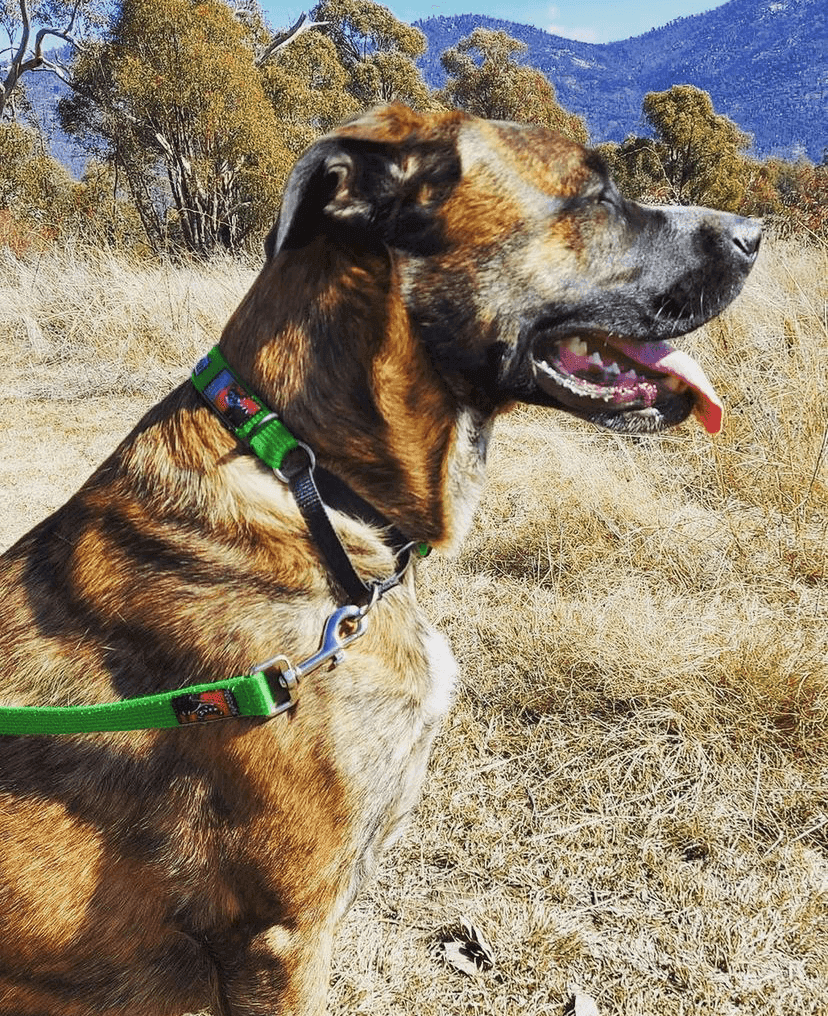
Training your dog is a rewarding journey, and having the right tools can make all the difference. Among the most effective training aids are dog training collars, designed to help communicate commands and reinforce good behavior. But with so many options available, how do you choose the best one for your canine companion? This guide delves into the world of top-rated dog training collars, exploring their types, benefits, and how to select the perfect fit for your furry friend.
When embarking on the path of dog training, understanding the nuances of communication between you and your dog is paramount. Training collars, when used correctly and ethically, serve as a vital extension of your voice, helping your dog to understand boundaries and commands more clearly. It’s not about punishment, but about clear, consistent communication that fosters a stronger bond and a well-behaved dog. We’ll explore various options, from gentle vibration collars to more focused e-collars, all aimed at enhancing your training experience and ensuring your dog’s well-being.
Understanding the Different Types of Dog Training Collars
The market offers a diverse range of training collars, each designed with a specific training philosophy and purpose in mind. Understanding these differences is key to making an informed decision that aligns with your training goals and your dog’s temperament.
Remote Control E-Collars
Remote control e-collars, often referred to as shock collars, offer a direct line of communication between you and your dog, even at a distance. These typically consist of a handheld transmitter and a receiver worn by the dog. They provide various stimulation levels, including vibration, tone, and electric stimulation, allowing for precise correction or reinforcement. Many modern e-collars are designed with safety features and adjustable intensity to suit different breeds and sensitivities. For those looking for advanced control, exploring top rated training collars for dogs can provide excellent options in this category.
GPS and GPS Training Collars
For owners who need to track their dog’s location and provide training cues remotely, GPS training collars are an excellent solution. These collars combine the functionality of a GPS tracker with training features, allowing you to monitor your dog’s whereabouts via a smartphone app and deliver stimulation or tone commands. This is particularly useful for hunting dogs, active breeds, or dogs prone to running off.
Bark Collars
Designed to curb excessive barking, bark collars automatically detect barking and deliver a deterrent, usually a vibration or a mild static stimulation. They are a good option for addressing nuisance barking without constant manual intervention. However, it’s crucial to ensure the collar is sensitive enough to detect your dog’s bark but not so sensitive that it reacts to other sounds or other dogs.
GPS Trackers for Dogs
While not strictly training collars, GPS trackers are invaluable tools for dog owners. They allow you to monitor your dog’s location in real-time, providing peace of mind, especially if your dog is an escape artist or you live in an area with potential hazards. Some GPS trackers can also alert you if your dog leaves a designated safe zone.
Training Collars vs. GPS Trackers
It’s important to distinguish between training collars and GPS trackers. Training collars are designed to aid in obedience training by providing feedback signals. GPS trackers, on the other hand, are primarily for location monitoring. Some products cleverly combine both functionalities, offering a comprehensive solution for pet owners.
Key Features to Look For in Top-Rated Dog Training Collars
When selecting a training collar, several features can significantly impact its effectiveness and your dog’s comfort. Prioritizing these elements will help you find a collar that meets your needs.
Range and Durability
The effective range of a training collar is crucial, especially if you train in large open spaces. Look for collars with a substantial range, often measured in yards or miles. Durability is also key; choose collars made from high-quality, waterproof materials that can withstand the rigors of an active dog’s life.
Stimulation Levels and Types
A good training collar offers a variety of stimulation levels and types (vibration, tone, static). This allows you to customize the feedback to your dog’s specific needs and sensitivity, ensuring you use the least intrusive method necessary. A “tone” or “vibration only” mode can be a great starting point, progressing to static stimulation only if needed and with caution.
Waterproofing and Battery Life
Your dog will likely encounter water, mud, and other elements, so a waterproof or water-resistant collar is essential. Additionally, long battery life is important to avoid frequent recharging, especially during extended training sessions or outdoor adventures. Rechargeable batteries are a convenient option.
Fit and Comfort
The collar must fit your dog properly. It should be snug enough to ensure the receiver contacts touch the skin but not so tight that it causes discomfort or chafing. Most reputable collars come with adjustable straps and different contact point lengths to accommodate various neck sizes and coat thicknesses. Proper fit is crucial for the device to work effectively and comfortably.
Ease of Use
A user-friendly transmitter and straightforward setup process will make your training experience much smoother. Look for intuitive buttons and clear indicators on the device. For those interested in advanced training techniques, understanding how to train a dog to stay off furniture can be greatly assisted by an easy-to-use remote collar.
Ethical Considerations and Best Practices for Using Training Collars
While training collars can be effective tools, their use comes with ethical responsibilities. Proper application and a focus on positive reinforcement are paramount to ensure your dog’s well-being and a strong, trusting relationship.
Positive Reinforcement First
Training collars should always be used in conjunction with positive reinforcement techniques. They are best used to correct unwanted behaviors or reinforce a command that the dog already understands, rather than as a primary training method. Rewarding desired behaviors with treats, praise, and toys builds a positive association with training.
Gradual Introduction and Proper Fit
When introducing a new collar, do so gradually. Start with the lowest stimulation levels, often just the tone or vibration, to get your dog accustomed to the sensation. Ensure the collar is fitted correctly to avoid irritation or injury. If you are struggling with basic obedience, consider seeking guidance from local experts, such as those found at dog training classes denver.
Understanding Your Dog’s Temperament
Every dog is an individual. Some dogs may be more sensitive to stimulation than others. Pay close attention to your dog’s body language to gauge their reaction. If your dog shows signs of fear, anxiety, or excessive stress, you may need to adjust the stimulation level, change your training approach, or consult a professional trainer.
When to Seek Professional Help
If you are experiencing difficulties with training or are unsure about using a training collar, consulting a certified professional dog trainer or a veterinary behaviorist is highly recommended. They can provide personalized guidance and ensure you are using the tools safely and effectively. For instance, mastering how to train dog to heel can be significantly easier with expert advice.
Popular and Highly-Rated Dog Training Collar Brands
Several brands consistently receive high ratings for their quality, durability, and effectiveness. Researching these brands can help narrow down your choices.
Garmin
Garmin is renowned for its robust GPS technology, and their e-collars often incorporate this feature, offering both tracking and training capabilities. Their products are known for their durability and extensive range, making them a favorite among professional trainers and serious dog owners.
SportDOG
SportDOG offers a wide array of training systems, from remote e-collars to bark collars and GPS tracking devices. They are praised for their user-friendly interfaces and reliable performance in various conditions. Their collars are built to last and cater to a broad spectrum of training needs.
PetSafe
PetSafe provides a comprehensive range of containment systems, bark control devices, and training collars. They focus on safety and ease of use, making their products accessible for everyday dog owners. Their offerings often include gentler stimulation options suitable for sensitive dogs.
Educator E-Collars
Educator collars are known for their “blunt stimulation” technology, which aims to provide a sensation that is less jarring than traditional e-collars, while still being effective. They offer a wide range of intensity levels and are often recommended for dogs with sensitive temperaments.
Frequently Asked Questions About Dog Training Collars
What is the safest type of dog training collar?
The safest type of collar is one that is used ethically and appropriately. This means ensuring a proper fit, using the lowest effective stimulation level, and always combining collar use with positive reinforcement. Vibration or tone-only collars are generally considered the least intrusive options.
How do I know if my dog needs a training collar?
A training collar may be beneficial if you are struggling with specific obedience issues, such as excessive barking, running off, or failure to respond to commands, and other training methods have not been fully effective. It should be seen as a supplementary tool, not a primary solution.
Can a training collar harm my dog?
When used incorrectly, overused, or with excessive force, any training tool can potentially cause physical or psychological harm. However, when used according to the manufacturer’s instructions and with careful attention to the dog’s response, modern training collars are generally safe and effective. Always consult a professional if you have concerns.
How long should my dog wear a training collar?
Your dog should only wear a training collar during active training sessions. It should not be worn all day or unsupervised, especially remote e-collars. Once the desired behavior is reliably established, the collar can often be phased out.
What is the difference between an e-collar and a GPS collar?
An e-collar provides remote stimulation (vibration, tone, static) to communicate with your dog during training. A GPS collar primarily tracks your dog’s location. Some advanced collars combine both functionalities. If you’re looking for comprehensive solutions, searching for dog training club st petersburg might lead you to professionals who can advise on the best gear.
Choosing the right training collar is a significant decision that can greatly enhance your dog’s training journey. By understanding the different types, features, and ethical considerations, you can select a tool that promotes clear communication, reinforces good behavior, and strengthens the bond you share with your beloved canine companion. Remember, consistency, patience, and a focus on positive reinforcement are the cornerstones of successful dog training, with the right collar serving as a valuable aid.
