
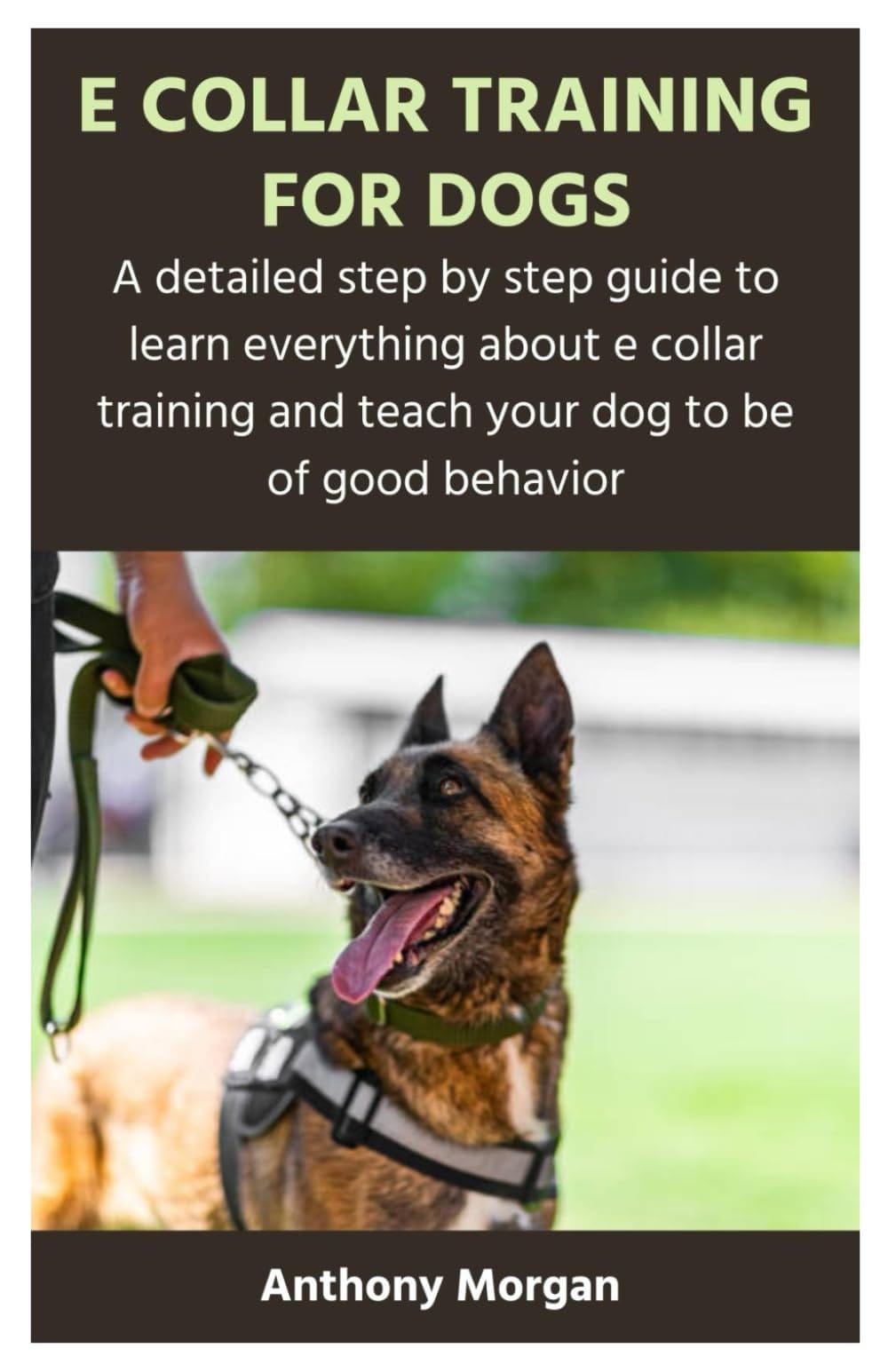
Choosing the right training collar for your dog can significantly impact the effectiveness of your training sessions and the overall bond you share. The world of dog training collars is vast, offering various types, features, and technologies designed to aid in shaping canine behavior. Whether you’re dealing with a stubborn puppy, a rescue dog with behavioral issues, or simply want to refine your dog’s obedience, understanding the nuances of different training collars is key. This guide delves into the Top Dog Training Collars available, exploring their functionalities, benefits, and considerations for responsible use.
Understanding the Purpose of Training Collars
At their core, training collars are tools designed to help communicate with your dog during the training process. They are not meant for punishment but rather as a means to guide, correct, and reinforce desired behaviors. The primary goal is to establish clear communication between owner and dog, making training more efficient and less frustrating for both. When used correctly and ethically, training collars can be invaluable in teaching commands, addressing behavioral problems, and ensuring your dog’s safety.
Types of Dog Training Collars
The market offers a diverse range of training collars, each suited for different training needs and temperaments. Understanding these distinctions is the first step in selecting the most appropriate tool for your canine companion.
Remote Control Training Collars (E-Collars)
Remote control training collars, often referred to as e-collars or shock collars, utilize a remote transmitter to send a signal to a receiver on the dog’s collar. This signal can trigger various stimulation levels, including vibration, tone, and static (shock) correction.
- Functionality: These collars are highly versatile. The remote allows trainers to deliver a correction or a warning tone precisely when a specific behavior occurs, making the association clear for the dog. The static stimulation is designed to be startling rather than painful, aiming to interrupt an unwanted behavior.
- Best For: E-collars are often used for advanced obedience training, recall training, and correcting persistent behavioral issues like excessive barking or aggression. They are particularly useful for off-leash training at a distance.
- Considerations: Responsible use is paramount. It’s crucial to understand the different levels of stimulation and to start with the lowest effective level. Improper use can lead to fear, anxiety, or aggression in dogs. Many experts recommend extensive research and, if possible, guidance from a professional trainer when using these collars. For those seeking alternatives or a gentler introduction, a vibration-only mode or a tone-only alert can be very effective. If you’re considering this type of collar, exploring electronic dog training collars can provide more in-depth information on features and ethical usage.
GPS Tracking Collars
While not strictly for behavior correction, GPS tracking collars have become indispensable tools for owners of adventurous or escape-prone dogs. These collars allow you to monitor your dog’s location in real-time via a smartphone app.
- Functionality: They use GPS satellite technology to pinpoint your dog’s whereabouts. Many advanced models also include features like geofencing (setting virtual boundaries and receiving alerts if your dog crosses them), activity tracking, and sometimes even two-way audio communication.
- Best For: Ideal for dogs with a high prey drive, those prone to escaping yards, or owners who frequently hike or explore with their dogs in remote areas.
- Considerations: Battery life, signal strength in different terrains, and subscription fees are common factors to consider. These collars provide peace of mind but do not replace the need for secure fencing or recall training.
Martingale Collars
Martingale collars are a popular choice for dogs with slender heads, such as sighthounds (e.g., Greyhounds, Whippets), as they prevent the collar from slipping off. They are also used for general leash training.
- Functionality: Unlike flat collars, martingales have a unique design with two loops. When the dog pulls, the larger loop tightens the smaller loop, creating a snug but gentle constriction around the neck. This action discourages pulling without choking the dog.
- Best For: Sighthounds, dogs with narrow heads, and dogs that tend to slip out of traditional collars. They can also be effective for leash training by providing a mild deterrent to pulling.
- Considerations: Ensure the collar is properly fitted. It should be loose enough to slide comfortably over the dog’s head when not in use but tight enough to provide control when the leash is taut.
Head Halters (e.g., Gentle Leader, Halti)
Head halters work on the principle of gentle control, similar to a halter used for horses. They fit over the dog’s muzzle and have a strap that goes around the neck.
- Functionality: When the dog pulls forward, the head halter gently guides their head downwards and to the side, redirecting their attention back to the handler and discouraging forward pulling.
- Best For: Dogs that pull excessively on the leash, strong pullers, and dogs that are reactive on walks. They are also useful for dogs that tend to lunge or jump.
- Considerations: Some dogs may initially resist wearing a head halter and require a gradual introduction period. It’s essential to condition your dog to accept the halter positively, associating it with treats and praise.
Key Features to Look For in Training Collars
When evaluating the best dog training collars, several features stand out:
1. Durability and Build Quality
A training collar will be subjected to wear and tear, so it needs to be robust. Look for collars made from high-quality materials, such as strong nylon webbing, durable plastics, and rust-resistant metal components. The stitching should be reinforced, especially on areas that bear stress.
2. Adjustable Fit
Dogs come in all shapes and sizes, and a proper fit is crucial for both comfort and effectiveness. An adjustable collar ensures you can achieve a snug, secure fit that won’t slip off or cause irritation. Measure your dog’s neck circumference before purchasing to ensure you select the right size.
3. Ease of Use
The best training tools are intuitive and easy for the handler to operate. For remote collars, this means a comfortable and responsive transmitter. For other types, it means straightforward adjustment and attachment mechanisms.
4. Safety Features
Safety should always be a top priority. For remote collars, features like automatic shut-off, safety modes, and adjustable intensity levels are important. For other collars, ensuring there are no sharp edges or components that could snag on objects is vital.
5. Range (for Remote Collars)
If you’re considering a remote training collar, the range is a significant factor. This refers to the distance at which the transmitter can reliably communicate with the receiver. For general obedience in a fenced yard, a shorter range might suffice, but for extensive off-leash work or in areas with potential distractions, a longer range is preferable.
Responsible Use of Training Collars
The effectiveness and ethical implications of any training collar depend heavily on how it is used. Here are some guiding principles for responsible training collar use:
Consult a Professional
If you’re new to dog training or dealing with complex behavioral issues, seeking guidance from a certified professional dog trainer is highly recommended. They can help you choose the right tool for your dog and demonstrate proper usage techniques. They can also guide you on the most appropriate collar for your specific needs, whether it’s a simple best dog training collar for small dogs or a more advanced system.
Understand Your Dog’s Temperament
Every dog is an individual. What works for one dog may not work for another. Observe your dog’s reactions to the collar and the training methods. Adjust your approach based on their personality, sensitivity, and learning style.
Gradual Introduction and Positive Reinforcement
Introduce any new collar gradually, allowing your dog to become accustomed to wearing it. Pair the introduction with positive reinforcement, such as treats and praise, to create positive associations. For remote collars, start with the lowest stimulation levels and focus on rewarding desired behaviors.
Consistency is Key
Training requires consistency. Use the collar and your commands consistently to avoid confusing your dog. Ensure all members of the household are on the same page regarding training methods and collar usage.
Never Use as a Substitute for Training
A training collar is a tool to aid training, not a replacement for it. Consistent, positive training methods, socialization, and mental stimulation are essential for a well-behaved dog.
When to Consider a Training Collar
There are specific scenarios where a training collar can be particularly beneficial:
- Difficult-to-Train Breeds: Some breeds are known for their independent nature or high energy levels, making traditional training methods more challenging.
- Recall Issues: A reliable recall is a lifesaver. Training collars can be instrumental in teaching dogs to return to their owner when called, especially in distracting environments.
- Excessive Barking: For persistent barkers, a collar that provides a mild deterrent (like vibration or tone) can help reduce nuisance barking when other methods have failed.
- Safety Concerns: In situations where a dog’s safety is at risk due to disobedience (e.g., running into traffic), a training collar can provide an added layer of control. Exploring options like a what is the best dog collar for training can help you identify tools that prioritize both effectiveness and your dog’s well-being.
Conclusion
The journey of dog training is a rewarding one, and the right tools can make all the difference. Top dog training collars, when chosen thoughtfully and used responsibly, can be powerful allies in building a well-behaved, happy, and bonded canine companion. Remember that the ultimate goal is clear communication and a strong relationship with your dog, and any tool should serve that purpose ethically and effectively. Always prioritize your dog’s welfare and consider professional guidance to ensure you are using training aids in the most beneficial way.
