
When considering the vast diversity of horse breeds, understanding which ones command the highest prices in the market involves a deeper look into their history, performance, and rarity. Globally, there are over 350 recognized horse and pony breeds, each with unique characteristics. This article delves into some of the most valuable breeds, exploring what makes them so sought after by equestrians and collectors alike. These horses are not just animals; they are often seen as investments, celebrated for their athletic prowess, lineage, and striking appearances.
Dutch Warmblood
The Dutch Warmblood is a prominent figure in the competitive equestrian circuit, recognizable for its appealing solid colors and a temperament that balances warmth with strength and endurance. Originating from the Netherlands, this breed is a favored choice for professional riders due to its suitability for various disciplines.
- Practice Compatibility: Dressage, jumping, driving, carriage driving, hunter
- Weight: 1,430 lbs
- Height: 15 to 17 hands (60-68 inches)
- Body Type: Well-proportioned, muscular neck, deep chest, powerful legs
- Life Expectancy: 20 years
- Estimated Cost: $10,000 – $75,000
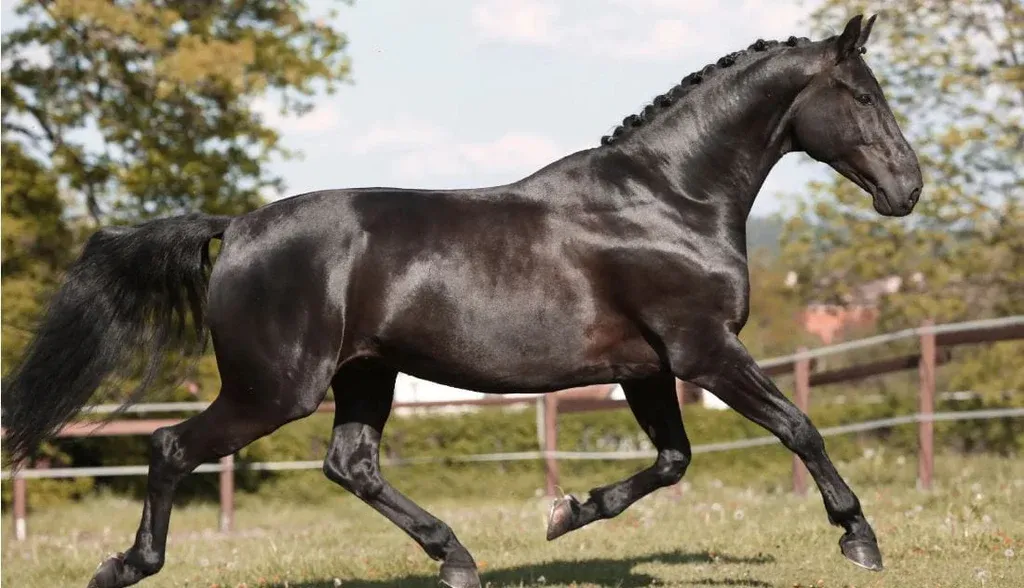 A Dutch Warmblood horse in a competition setting.
Akhal-Teke
Considered the national horse of Turkmenistan, the Akhal-Teke is a rare breed with fewer than 8,000 individuals worldwide, contributing significantly to its high price. Beyond its scarcity, the Akhal-Teke is distinguished by its unique metallic-like shine. These horses possess exceptional endurance, honed over centuries of use for transportation and labor, and are known for their loyalty to humans.
- Practice Compatibility: Showjumping, dressage, long-distance racing
- Weight: Around 1,000 lbs
- Height: 14 to 16 hands (56-64 inches)
- Body Type: Flat-muscled, slim build, long narrow neck and head
- Life Expectancy: 20 years
- Estimated Cost: $100,000
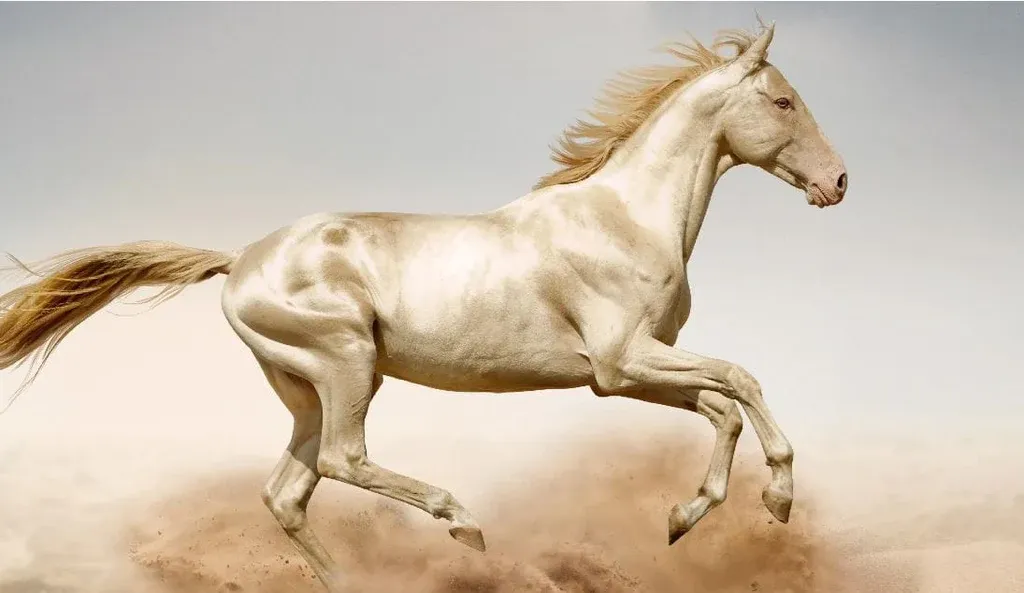 An Akhal-Teke horse with a metallic sheen to its coat.
Arabian
Arabian horses are widely recognized for their graceful appearance and strong bond with humans, likely due to their ancient lineage. Despite their refined features and amiable personality, they are remarkably tough, shaped by their origins in harsh terrain and hot climates. Historically, prominent figures like Napoleon Bonaparte rode Arabians. Their influence is vast, as they form the foundation of many other breeds, including Thoroughbreds and Quarter Horses.
- Practice Compatibility: Long-distance trail, dressage, racing, riding sports
- Weight: 800 to 1,000 lbs
- Height: 14 to 16 hands (56-64 inches)
- Body Type: Small build, high tail carriage, long arched neck, concave head
- Life Expectancy: 30 years
- Estimated Cost: $25,000 – $300,000
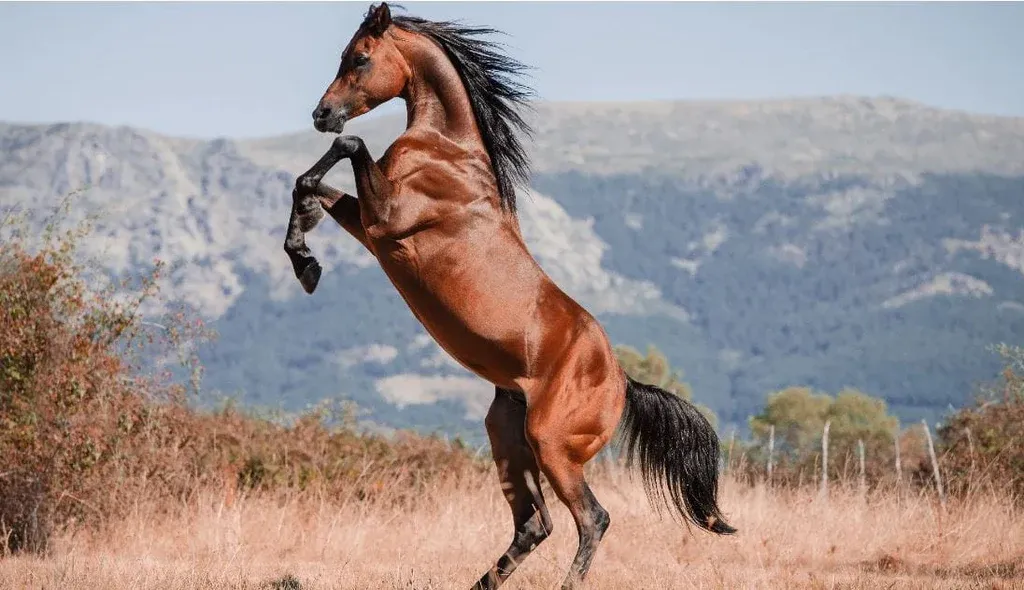 A graceful Arabian horse with a distinctive head shape.
Friesian
Originating from the Netherlands and existing for centuries, the Friesian is a rare breed that has faced near extinction. Its distinctive high-stepping gait and black coat, combined with a carefully bred warm temperament, ensure sustained demand.
- Practice Compatibility: Carriage, riding, dressage, trail
- Weight: Around 1,300 lbs
- Height: Around 16 hands (67 inches)
- Body Type: Sturdy, muscular build, thick mane and tail, arched and thick neck
- Life Expectancy: 16 years
- Estimated Cost: $50,000 – $100,000
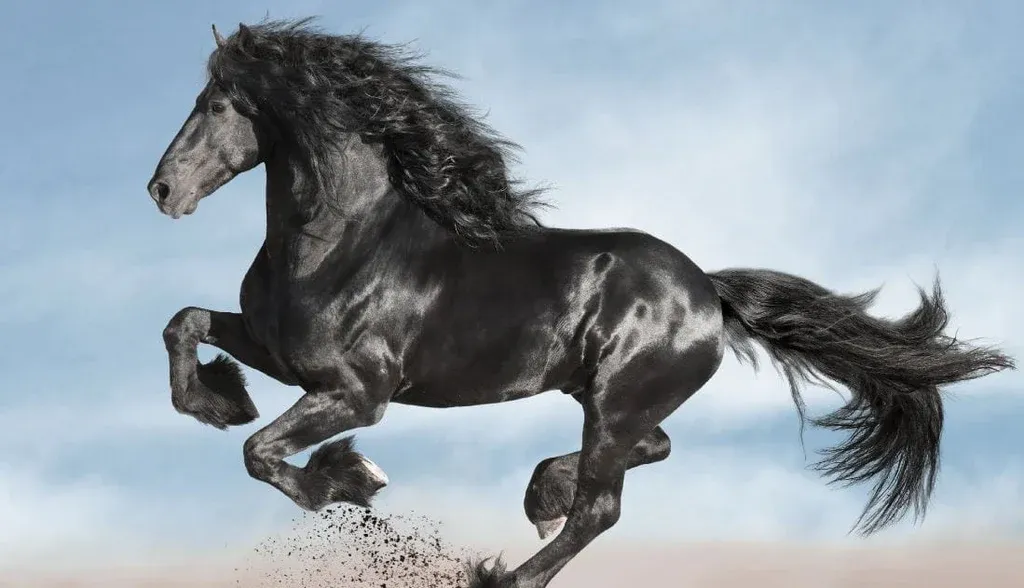 A powerful Friesian horse with a flowing black mane.
Hanoverian
The Hanoverian, a warm-blooded breed from Germany, has historical roots in warfare. Its strong connection to Thoroughbreds makes it an exceptional jumper. The breed is known for maintaining some of the most comprehensive lineage records among horse breeds.
- Practice Compatibility: Show jumping, dressage, riding
- Weight: 1,400 lbs
- Height: 15.3 to 17.1 hands (around 67 inches)
- Body Type: Sturdy build, long neck, medium head, strong hindquarters
- Life Expectancy: 25-35 years
- Estimated Cost: $7,000 – $100,000
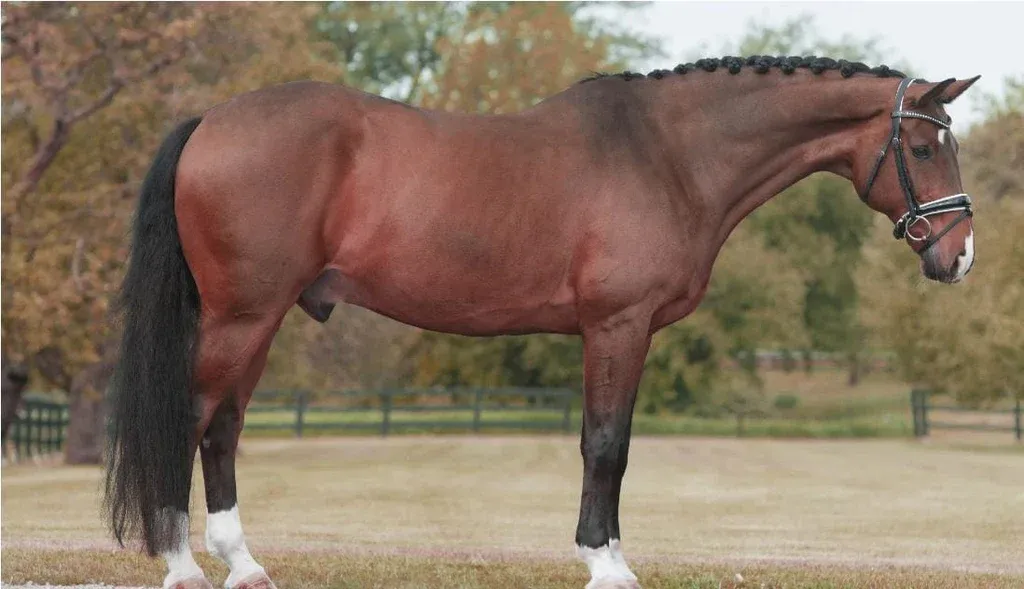 A Hanoverian horse demonstrating athletic jumping form.
Oldenburg
Named after Count Johann XVI von Oldenburg, who developed the breed from Friesians to be suitable for riding, the Oldenburg was originally a workhorse. The Count later refined them as war horses and for elegant carriage use due to their stature.
- Practice Compatibility: Jumping, dressage, riding
- Weight: 1,700 lbs
- Height: 16 to 18 hands (64 to 72 inches)
- Body Type: Compact build, short legs, deep chest, strong neck, large head
- Life Expectancy: 30 years
- Estimated Cost: $4,000 – $100,000
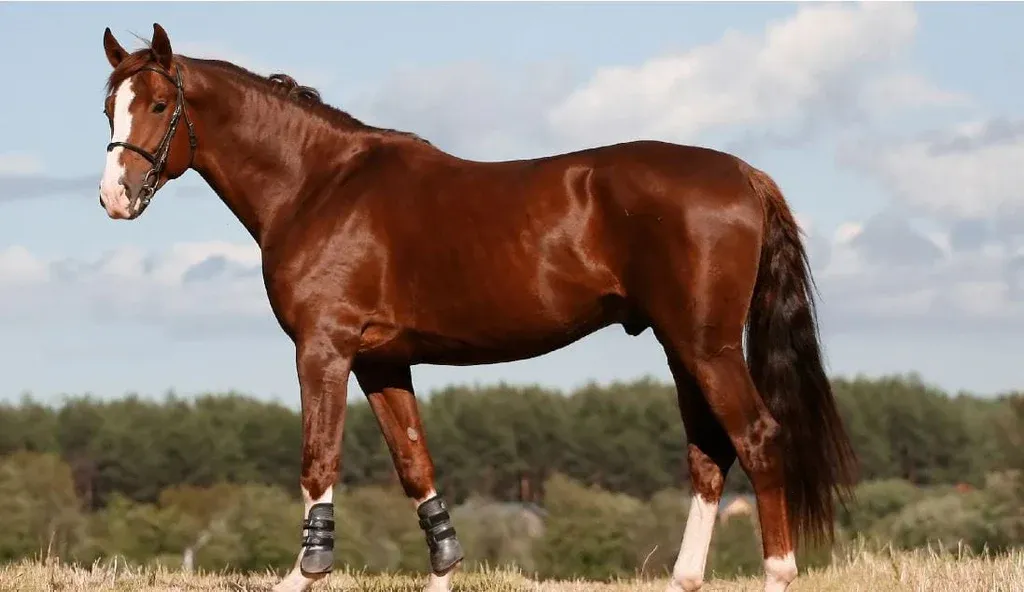 An Oldenburg horse with an elegant and strong build.
Andalusian
While considered common, Andalusian horses are still quite expensive. Originating from Spain, they are often referred to as the “grandfather” of many modern horse breeds. Historically used in warfare and favored by Spanish royalty, their high energy, stamina, and calm demeanor make them suitable for both high-level competition and recreational riding today.
- Practice Compatibility: Trail, dressage, jumping
- Weight: 908 to 1,129 lbs
- Height: Around 15.5 hands (60.5 inches)
- Body Type: Short-coupled torso, muscular hindquarters, large sculpted head
- Life Expectancy: 25 years
- Estimated Cost: $15,000 – $50,000
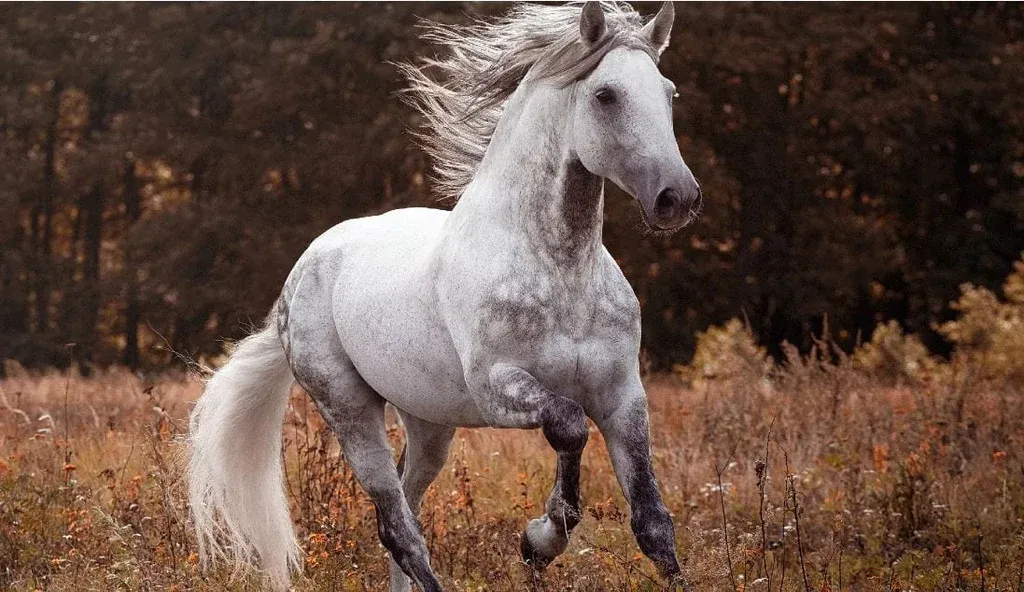 An Andalusian horse standing proudly.
Thoroughbred
The Thoroughbred breed is unparalleled in its bloodlines and winning history, often securing top positions in competitions. This makes them the most expensive horse breed globally. Their dominance spans across various equestrian disciplines, including racing, dressage, and showjumping. Their speed is legendary, making them a favorite in horse racing. A notable example is Fusaichi Pegasus, rumored to have sold for approximately $70 million, becoming the most expensive horse sold at auction, and famously winning the Kentucky Derby in 2000.
- Practice Compatibility: Racing, jumping, dressage, riding, driving
- Weight: Around 1,000 to 1,300 lbs
- Height: 15 to 17 hands (60-68 inches)
- Body Type: Lean and athletic build, long neck, deep chest, powerful hindquarters
- Life Expectancy: 25 to 35 years
- Estimated Cost: $100,000 – $300,000+
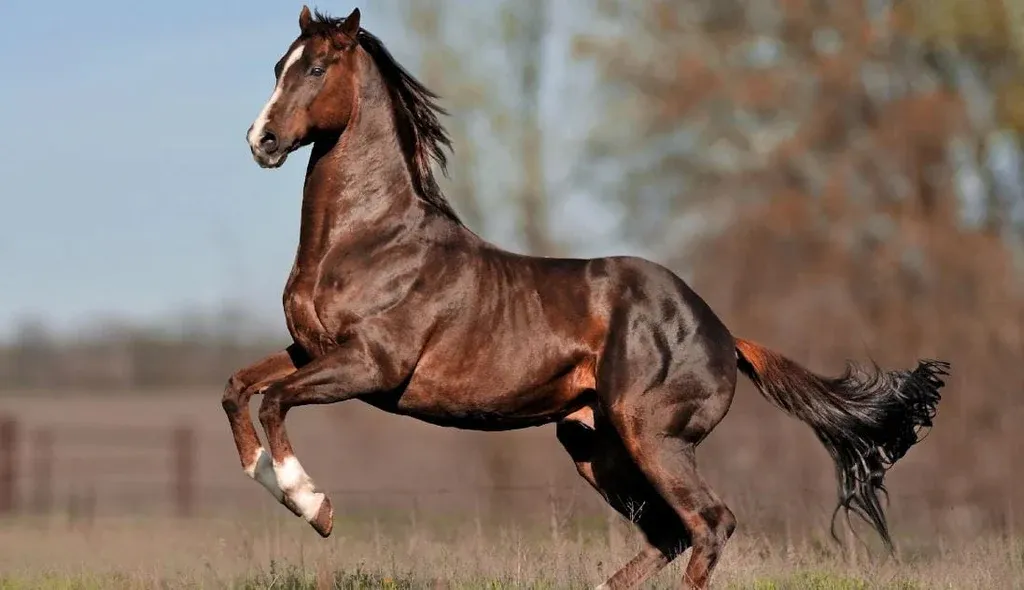 A powerful Thoroughbred horse in mid-gallop.
These breeds represent the pinnacle of equine value, sought after for their exceptional qualities and contributions to the world of horses. Their high price tags reflect a combination of historical significance, athletic performance, and rarity, making them prized possessions for enthusiasts and professionals alike.
