
Bringing a new puppy home is an exciting time, filled with joy and furry cuddles. However, it also comes with the significant responsibility of potty training. One of the most challenging aspects of this process is nighttime potty training, often leaving new owners wondering when their dog will finally sleep through the night without accidents. This guide delves into the intricacies of Toilet Training A Dog At Night, offering practical advice and expert insights to help you and your canine companion achieve a peaceful and accident-free night.
Understanding the Nighttime Potty Training Process
Nighttime potty training is a critical phase in a dog’s development, requiring patience, consistency, and a deep understanding of canine behavior. Unlike daytime training, which offers more flexibility, nighttime demands a structured approach to prevent accidents and establish healthy habits.
How Long Does Potty Training a Dog at Night Take?
The duration of nighttime potty training varies significantly from dog to dog. Factors such as age, breed, individual learning speed, and consistency of training play crucial roles. While some puppies might grasp the concept within a few weeks, others may take several months. It’s essential to remember that when should my dog be potty trained is a question with a flexible answer, as each dog’s journey is unique. Generally, puppies can hold their bladder for about one hour per month of age. So, a 3-month-old puppy might be able to hold it for about 3 hours, while a 6-month-old might manage 6 hours. However, this is a guideline, not a rule, and nighttime bladders are often less predictable.
Setting Up for Success: Essential Tools and Strategies
To effectively tackle toilet training a dog at night, preparation is key. Having the right tools and implementing a consistent strategy will significantly increase your chances of success.
Crate Training for Older Dogs and Puppies
Crate training is one of the most effective methods for nighttime potty training. Dogs are naturally den animals and are reluctant to soil their sleeping area. A crate, when introduced correctly, becomes a safe and comfortable den for your dog. For puppies, a properly sized crate prevents them from having too much space to eliminate away from the sleeping spot. For older dogs, especially those adopted from shelters, crate training for older dogs can also be highly beneficial, providing them with a sense of security and aiding in house training. The crate should be just large enough for your dog to stand up, turn around, and lie down comfortably. Too much space can lead to the dog using one end as a toilet.
Utilizing Washable Training Pads for Dogs
While crate training is highly recommended, some owners prefer to use washable training pads for dogs. These pads can be placed inside the crate or in a designated potty area. They offer an absorbent surface that can help contain accidents, making cleanup easier. However, it’s important to note that relying solely on pads might confuse some dogs, as they may start to think that eliminating indoors is acceptable. The goal of nighttime training is to eliminate altogether, so pads should ideally be a temporary aid or a fallback option for specific situations.
Establishing a Consistent Routine
Consistency is paramount in any dog training endeavor, and nighttime potty training is no exception. Establishing a predictable routine can help your dog understand when it’s time to go outside and when it’s time to rest. This includes regular feeding times, exercise, and, most importantly, scheduled potty breaks.
The Step-by-Step Guide to Potty Training a Dog at Night
Successfully implementing how to toilet train a dog during the night requires a methodical approach. Here’s a step-by-step guide to help you navigate this process:
Step 1: Implement a Strict Daytime Routine
A well-managed daytime routine is the foundation for successful nighttime training.
- Regular Feeding Schedule: Feed your dog at consistent times each day. Avoid feeding late in the evening, as this can increase the need to urinate during the night. Aim to have the last meal at least 2-3 hours before bedtime.
- Frequent Potty Breaks: Take your dog out for potty breaks frequently throughout the day, especially after waking up, after meals, and after playtime. This reinforces the idea that the designated potty spot is the correct place to eliminate.
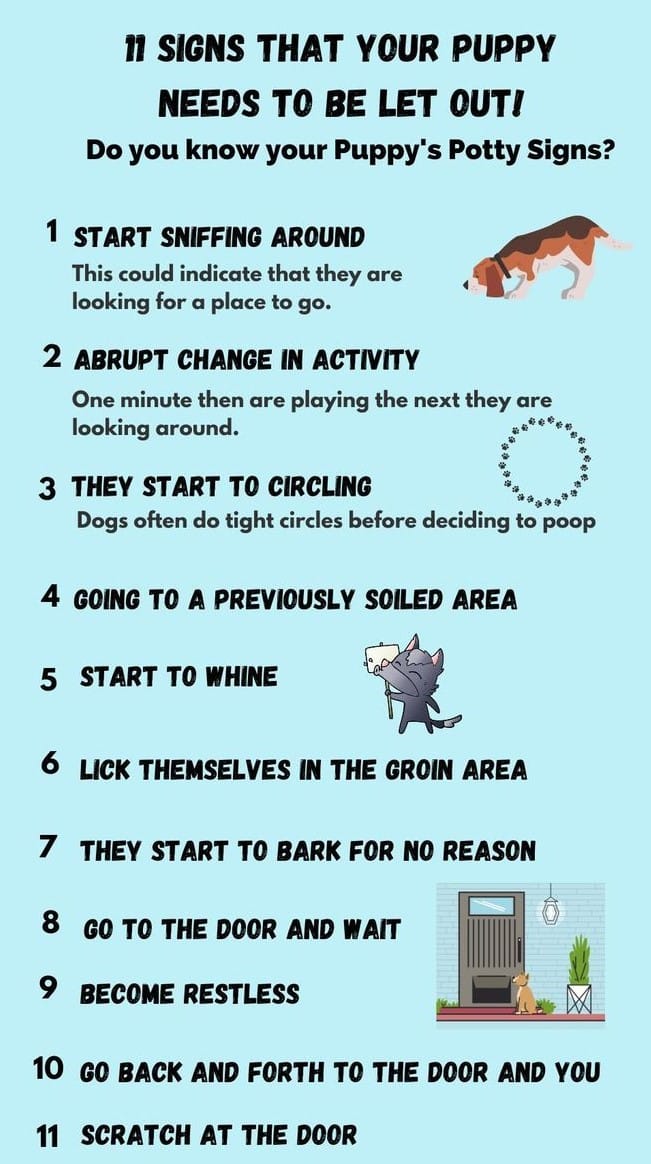
- Supervision: Keep a close eye on your dog when they are not in their crate. Learning to recognize the signs that your dog needs to go – such as sniffing intently, circling, or whining – is crucial.
Step 2: Establish a Bedtime Ritual
Your dog should have a clear signal that bedtime is approaching.
- Final Potty Break: Take your dog out for a last potty break right before you go to bed. Use a consistent phrase like “Go potty” or “Time to go outside” to associate the action with the command. Praise and reward them immediately after they eliminate outside.
- Confinement: Once you’re confident they’ve done their business, guide them into their crate for the night. If you’re not using a crate, ensure they are in a confined, safe space with a training pad if necessary.
Step 3: Middle-of-the-Night Potty Breaks (If Necessary)
For younger puppies or dogs still mastering nighttime training, middle-of-the-night breaks are often unavoidable.
- Set an Alarm: Initially, you might need to set an alarm to wake up every few hours (e.g., every 3-4 hours for a young puppy).
- Keep it Low-Key: When you take your dog out, keep the experience as low-key as possible. Avoid playing or excessive interaction. The goal is to allow them to relieve themselves and then return to their crate or sleeping area promptly. Use the same potty command.
- Don’t Punish Accidents: If you wake up to an accident, don’t punish your dog. This can create fear and anxiety, making training more difficult. Simply clean up the mess thoroughly with an enzymatic cleaner to eliminate odors that might attract them back to the same spot.
Step 4: Gradually Extend the Time Between Breaks
As your dog becomes more reliable and starts to hold it for longer periods, you can gradually extend the time between nighttime potty breaks.
- Observe Your Dog: Pay attention to your dog’s signals. If they are consistently sleeping through a certain period without accidents, you can try waiting a bit longer before the next scheduled break.
- Trial and Error: This phase involves some trial and error. You might have to revert to more frequent breaks if accidents start happening again. Patience is key.
Step 5: Transition to Sleeping Through the Night
The ultimate goal is for your dog to sleep through the night without needing a potty break.
- Celebrate Successes: When your dog successfully sleeps through the night, offer enthusiastic praise and a special reward in the morning.
- Continuous Routine: Continue with the consistent daytime routine and bedtime ritual, as these are crucial even after your dog has mastered nighttime training.
Troubleshooting Common Nighttime Potty Training Challenges
Even with the best intentions, challenges can arise during dog toilet training at night. Here are some common issues and how to address them:
Dealing with Accidents
Accidents happen, especially during the training process. The most important thing is how you respond.
- Clean Thoroughly: Use an enzymatic cleaner specifically designed for pet messes. These cleaners break down the organic matter, removing the odor that can encourage repeat offenses. Regular cleaners might mask the smell for humans but not for dogs.
- Identify the Cause: If accidents are frequent, reconsider your routine. Is your dog getting enough potty breaks? Are they being fed too late? Is their crate too large?
- Increase Supervision: If you’re not crating, ensure you are actively supervising your dog when they are loose in the house.
My Dog Whines to Go Out at Night
If your dog whines to go out, it’s generally a good sign that they are communicating their need to eliminate.
- Respond Promptly: Take them out immediately. This reinforces that whining is an effective way to communicate their needs.
- Keep it Brief: Again, keep the nighttime outing brief and business-like. The goal is to relieve themselves, not for a play session.
- Rule Out Other Issues: Ensure the whining isn’t due to anxiety, boredom, or a medical issue. If you suspect a medical problem, consult your veterinarian.
My Dog Won’t Potty in the Crate or Designated Area
This can be frustrating, but it’s often a sign that something in the training process needs adjustment.
- Review Crate Introduction: Ensure the crate is a positive space. Feed meals in the crate, offer high-value treats, and never use it as punishment. If the dog is anxious about the crate, gradually increase the time they spend inside.
- Positive Reinforcement: Lavishly praise and reward your dog the moment they eliminate in the correct spot, whether it’s outside or on a training pad.
When to Seek Professional Help
While most dogs can be successfully potty trained with consistent effort, there are times when professional guidance may be beneficial. If you’ve been diligently following a training plan for an extended period with little success, or if you suspect an underlying medical condition, it’s time to consult a veterinarian or a certified professional dog trainer. They can help identify any medical issues contributing to the problem or provide tailored training strategies for your specific dog.
Medical Concerns to Rule Out
Certain medical conditions can interfere with potty training, including urinary tract infections (UTIs), diabetes, kidney disease, or bladder stones. These conditions can increase urination frequency or lead to accidents. A vet check-up is essential to rule out any health-related causes.
Behavioral Consultations
A professional trainer can assess your dog’s behavior, identify potential training roadblocks, and develop a customized plan. This is especially helpful for dogs with anxiety, fear-based issues, or those who have not responded to standard training methods.
Conclusion: The Reward of Patience and Persistence
Mastering toilet training a dog at night is a journey that requires dedication, understanding, and a healthy dose of patience. By establishing a consistent routine, utilizing effective training methods like crate training, and responding to accidents with calm guidance rather than punishment, you can help your dog achieve nighttime continence. Remember that every dog is an individual, and the timeline for success will vary. Celebrate small victories, stay consistent, and trust in the process. The reward of a peaceful, uninterrupted night’s sleep for both you and your beloved canine companion is well worth the effort. Your commitment to dog toilet training at night will foster a stronger bond and a more harmonious home life.
