
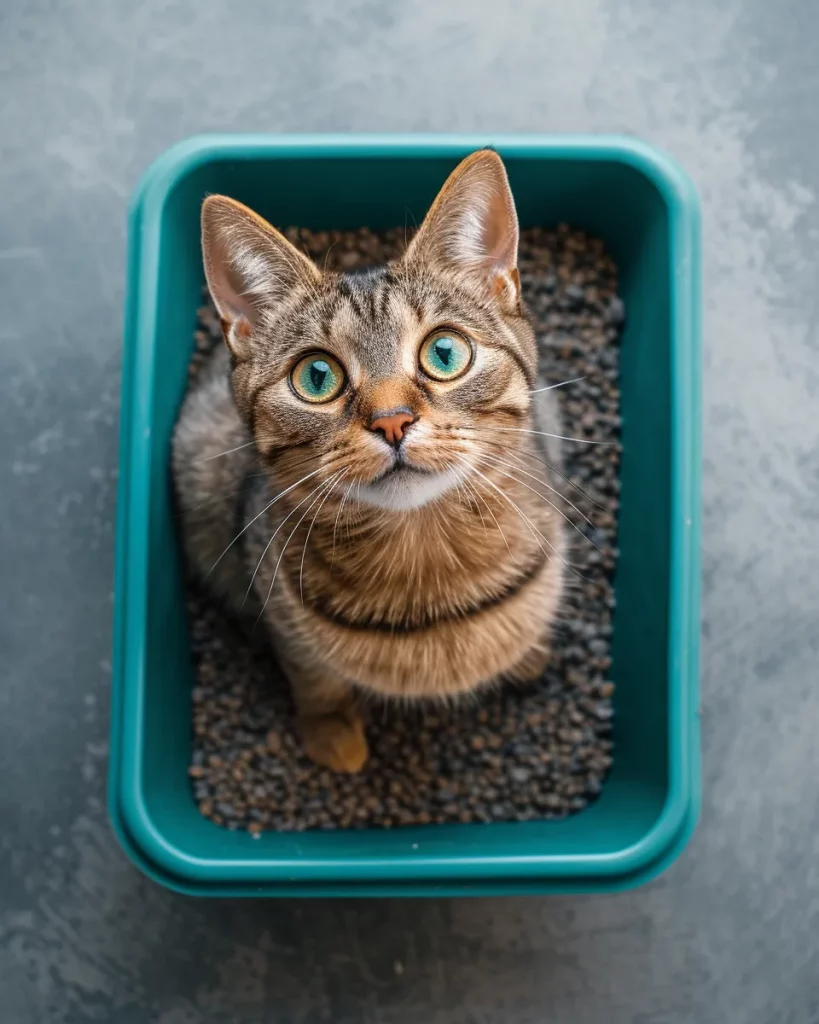
Discover the revolutionary world of cat toilet trainers and transform your home environment. This guide explores everything you need to know about these innovative devices, from how they work to their benefits and potential challenges. If you’re tired of litter box duty, a cat toilet trainer might be the perfect solution.
The Rise of the Litter Box: A History
For decades, the litter box has been a staple in cat owner’s homes. While functional, it comes with its own set of drawbacks: the smell, the constant cleaning, and the tracking of litter throughout the house. The need for a more convenient and hygienic solution has long been present, paving the way for advancements in cat care technology.
What is a Cat Toilet Trainer?
A cat toilet trainer is a system designed to gradually acclimate your cat to using a human toilet for their waste. These systems typically involve a series of rings or inserts that fit over your toilet bowl. They start with a full litter-filled insert, which is then progressively reduced in size and filled with less litter over time. The goal is to train your cat to balance on the toilet seat and eliminate directly into the water.
How Does a Cat Toilet Trainer Work?
The process is a gradual transition, taking advantage of a cat’s natural instinct to bury their waste.
- Introduction: The training system is initially placed on the toilet, filled with litter. Your cat uses it as they would a litter box, but now it’s on the toilet.
- Gradual Reduction: Over weeks, you’ll remove concentric rings from the trainer, or progressively use less litter. This encourages your cat to adapt their posture and aim.
- Water Introduction: As the hole in the center gets larger, your cat becomes accustomed to the water below.
- Final Stage: Eventually, the trainer is removed entirely, and the cat is expected to use the toilet bowl directly.
The key to success is patience and consistency. Each cat learns at their own pace, and it’s crucial not to rush the process. Some systems, like the citikitty cat toilet training kit, are designed with this gradual approach in mind.
Benefits of Using a Cat Toilet Trainer
The advantages of successfully training your cat to use the toilet are numerous:
- Hygienic Environment: Eliminates litter box odor and reduces the spread of litter throughout your home.
- Cost-Effective: Saves money on litter purchases over time.
- Convenience: No more daily scooping or frequent litter box changes.
- Reduced Allergens: Less dust and dander associated with traditional litter.
- Aesthetic Appeal: A cleaner, more visually appealing bathroom.
Choosing the Right Cat Toilet Trainer
Several products are available on the market, each with slight variations. When selecting a cat toilet bowl trainer, consider:
- Material: Durable, non-toxic plastic is common.
- Ease of Use: How simple is it to assemble, use, and clean?
- Adaptability: Does it offer enough stages for gradual training?
- Toilet Compatibility: Does it fit standard toilet sizes?
- Reviews: What are other users’ experiences with the cat litter toilet trainer?
The Training Process: Tips for Success
Successfully toilet training a cat requires patience, positive reinforcement, and understanding your cat’s behavior.
Patience is Key
- Go Slow: Never rush the process. If your cat shows signs of distress or regression, go back a step.
- Observe Your Cat: Pay attention to their body language and habits.
Positive Reinforcement
- Praise and Treats: Reward your cat with verbal praise, petting, or a small treat immediately after they successfully use the trainer.
- Avoid Punishment: Never scold or punish your cat for accidents. This can create fear and anxiety, hindering the training process.
Environmental Factors
- Cleanliness: Keep the training system and the surrounding toilet area clean.
- Accessibility: Ensure the toilet lid is always up and the seat is down.
Addressing Accidents
Accidents are a normal part of the training process. Clean them up thoroughly with an enzymatic cleaner to eliminate odors that might attract your cat back to the same spot. If accidents become frequent, it might indicate that the cat is not ready for the current stage of training.
Potential Challenges and Solutions
While many owners find success, not all cats adapt to toilet training.
- Fear of Water: Some cats are naturally fearful of water. Gradual introduction and positive reinforcement are crucial.
- Balance Issues: Older cats or those with mobility issues may find it difficult to balance on the toilet seat. In such cases, a traditional litter box might be more suitable.
- Owner Inconsistency: Rushing the process or not being consistent with rewards can lead to failure.
- Health Problems: Sudden changes in toileting habits can sometimes indicate underlying health issues. Consult your veterinarian if you notice anything unusual.
The success rate of toilet training cats can vary widely based on the individual cat, the owner’s dedication, and the training method used.
Is Toilet Training Right for Your Cat?
Toilet training is not a one-size-fits-all solution. Consider your cat’s personality, age, and health. Kittens and younger, adaptable cats tend to learn more quickly. Confident, curious cats are also often better candidates.
Alternatives to Full Toilet Training
If full toilet training seems too challenging or isn’t suitable for your cat, there are alternatives:
- Self-Cleaning Litter Boxes: These automate the scooping process, reducing manual effort and odor.
- Litter Box Enclosures: Furniture designed to hide litter boxes, improving aesthetics and containing litter.
- Top-Entry Litter Boxes: These prevent litter from being tracked out of the box.
For those committed to the toilet training journey, understanding that it’s a gradual process akin to teaching a kitten basic house rules, like using a cat trainer for toilet, is essential.
Frequently Asked Questions About Cat Toilet Trainers
Q1: How long does it take to toilet train a cat?
A1: The duration varies significantly, typically ranging from a few weeks to several months. Patience is crucial.
Q2: What if my cat has accidents?
A2: Clean accidents thoroughly with an enzymatic cleaner and consider moving back a stage in the training process. Avoid punishment.
Q3: Can all cats be toilet trained?
A3: While many cats can be trained, it depends on their individual personality, age, health, and the owner’s consistency. Some cats may never adapt.
Q4: Does my cat still need a litter box if they use the toilet?
A4: Once fully trained, a traditional litter box is usually not necessary. However, some owners keep a shallow box available, especially during the initial transition or for older/sick cats.
Q5: Is it safe for cats to use the toilet?
A5: When properly trained and using a stable system, it is generally safe. Ensure the toilet seat is always down and the lid is up.
Conclusion: Embracing a Litter-Free Future
A cat toilet trainer offers a compelling solution for a cleaner, more convenient home. By understanding the process, choosing the right system, and committing to patient, positive reinforcement, you can guide your feline companion towards mastering this impressive skill. Embrace the journey, celebrate the successes, and enjoy the benefits of a litter-free lifestyle with your beloved cat.
