
It can be incredibly frustrating to discover your dog has had an accident inside, especially after you thought they were well beyond that stage. While it’s a common challenge for many dog owners, understanding the why behind this behavior is the first step to finding a lasting solution. This guide will delve into the common reasons dogs pee inside, even when toilet trained, and provide effective strategies to address the issue, ensuring a cleaner home and a happier relationship with your canine companion.
Why Is My Toilet Trained Dog Peeing Inside?
Several factors can contribute to a toilet-trained dog reverting to indoor accidents. It’s rarely a sign of spite or a deliberate act to upset you; instead, it’s usually a communication of an underlying issue.
Medical Conditions
One of the most critical considerations is ruling out any underlying medical problems. Urinary tract infections (UTIs), bladder stones, kidney disease, diabetes, or even cognitive dysfunction in older dogs can lead to increased urination or a loss of bladder control.
- Urinary Tract Infections (UTIs): These bacterial infections can cause discomfort and a frequent, urgent need to urinate.
- Kidney Disease/Diabetes: These conditions can increase thirst and urine production, potentially overwhelming a dog’s ability to hold it.
- Bladder Stones: These can cause irritation and blockages, leading to pain and difficulty urinating, sometimes resulting in accidents.
- Cognitive Dysfunction Syndrome (CDS): In senior dogs, CDS can affect their house-training recall, leading to confusion and accidents.
Behavioral and Environmental Triggers
Beyond medical issues, behavioral and environmental factors play a significant role.
- Incomplete House-Training: Sometimes, a dog might appear toilet-trained but still has occasional lapses, especially during stressful periods or if training was rushed. The core principles of training dog to pee in one spot need to be reinforced.
- Anxiety and Stress: Separation anxiety, fear of thunderstorms, loud noises, or changes in the household (new pet, new person, moving) can all trigger anxiety that leads to inappropriate urination.
- Marking Behavior: Unneutered males are prone to marking territory, but females and neutered males can also mark, especially if they feel insecure or if there’s a new animal in the house.
- Submissive or Excitement Urination: Some dogs, particularly puppies or very sensitive dogs, may urinate when greeting people, during play, or when feeling overwhelmed by excitement or fear.
- Changes in Routine: A disruption in feeding times, potty breaks, or exercise schedules can confuse a dog and lead to accidents. Consistency is key, and how to train dog to stop peeing in house often starts with a predictable routine.
- Inadequate Potty Breaks: If a dog is left alone for too long or not taken out frequently enough, they may simply not be able to hold their bladder.
- Aversion to Outdoor Potty Spot: If the outdoor potty area has become associated with something negative (e.g., a loud noise, a scary encounter, bad weather), the dog may avoid it.
Incomplete Cleaning of Accidents
If previous accidents inside the house weren’t thoroughly cleaned, the lingering scent can attract the dog back to the same spot. Dogs have a highly developed sense of smell, and even faint odors can trigger their instinct to eliminate there again.
Strategies for Addressing Indoor Urination
Once you’ve ruled out medical causes with your veterinarian, you can focus on behavioral and environmental solutions.
Reinforce House-Training Fundamentals
It’s time to go back to basics, just like you did when your dog was a puppy.
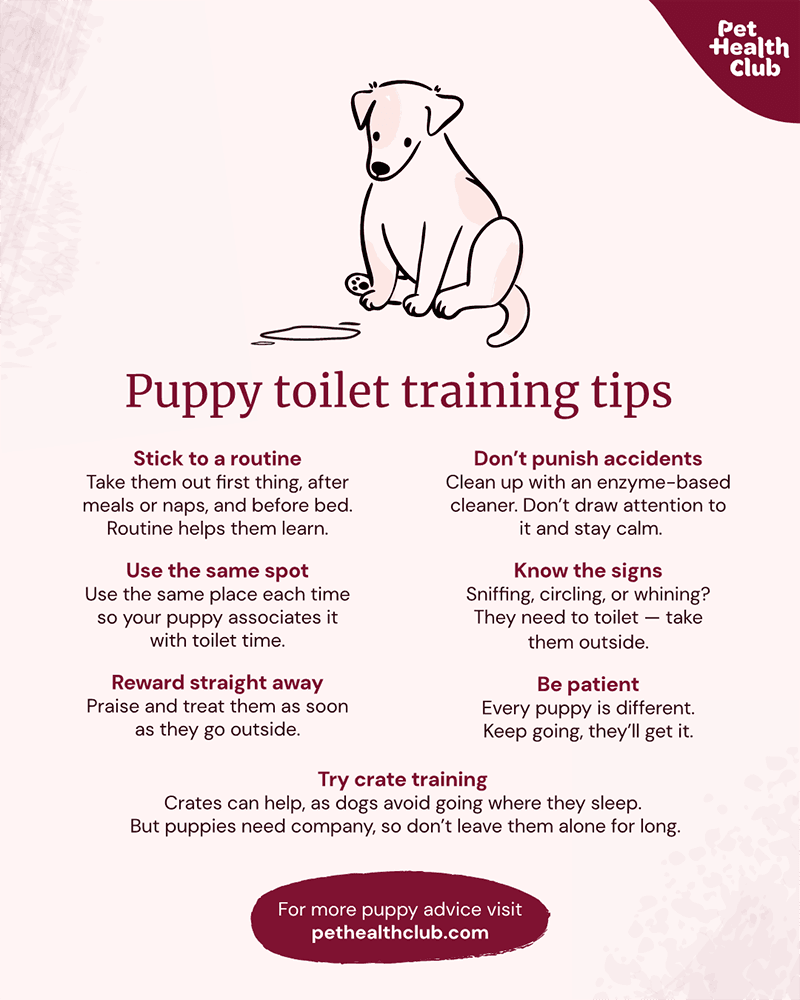
- Frequent Potty Breaks: Increase the frequency of trips outside, especially after waking up, after meals, and before bedtime.
- Consistent Schedule: Establish a predictable routine for feeding, playing, and potty breaks.
- Positive Reinforcement: Lavishly praise and reward your dog immediately after they eliminate in the designated outdoor spot. Use high-value treats and enthusiastic verbal praise.
- Supervision: Keep a close eye on your dog when they are inside. If you see signs they need to go (circling, sniffing intently, whining), take them outside immediately.
Manage the Environment
Make it easier for your dog to succeed.
- Crate Training: When unsupervised, confine your dog to a crate or a small, dog-proofed area. Dogs are naturally reluctant to soil their sleeping area, which can help prevent accidents and reinforce the idea of holding it. Ensure the crate is the appropriate size.
- Leash Guidance: Keep your dog on a leash indoors for a while, tethered to you. This allows you to quickly escort them outside the moment you see any pre-pottying signals.
Address Anxiety and Stress
If anxiety is the root cause, you’ll need to address the underlying fears.
- Separation Anxiety: This requires a dedicated training plan, often involving desensitization and counter-conditioning. Consult a professional trainer or veterinary behaviorist.
- General Anxiety: Identify triggers and work to desensitize your dog. For noise phobias, consider calming music, pheromone diffusers, or thunder shirts.
- Positive Associations: Make the outdoor potty area a positive place. Play with your dog there, offer treats, and ensure it’s free from frightening stimuli. If weather is an issue, consider solutions like grass potty training for dogs if you have a suitable outdoor space.
Thorough Cleaning
Invest in enzymatic cleaners specifically designed for pet stains. These cleaners break down the odor-causing molecules that human cleaners often miss. Avoid ammonia-based cleaners, as their scent can mimic urine and attract your dog back to the spot.
Consult Professionals
- Veterinarian: Crucial for ruling out or diagnosing medical issues.
- Certified Professional Dog Trainer (CPDT) or Veterinary Behaviorist: Essential for addressing persistent behavioral issues, marking, anxiety, or stubborn house-training problems. They can help tailor a plan specific to your dog, like how to train pomeranian to pee outside if you have a smaller breed with specific needs.
When Does Indoor Urination Indicate a Deeper Issue?
While occasional accidents can happen, a sudden increase in indoor urination, especially if accompanied by other symptoms like straining, blood in urine, lethargy, or changes in appetite, warrants immediate veterinary attention. This could signal a serious medical condition requiring prompt treatment.
For behavioral issues, persistent marking, or anxiety-driven urination that doesn’t improve with basic training, professional help is often necessary. A qualified expert can assess the situation, identify the specific cause, and guide you through the most effective training protocols, whether it’s about general house-training or more specific challenges like how do you train a dog to pee outside consistently.
The Importance of Patience and Consistency
Toilet training regressions can be disheartening, but it’s vital to approach the situation with patience and unwavering consistency. Your dog is counting on you to understand their needs and guide them back to good habits. By identifying the root cause—whether medical, behavioral, or environmental—and implementing a tailored training plan, you can successfully overcome indoor accidents and reinforce a happy, clean living environment for both you and your beloved canine companion. Remember, understanding is the first step, and consistent, positive training is the path forward.
