
While big cats often capture the public’s imagination and conservation focus, the world is also home to 33 equally fascinating species of small wild cats. These diminutive felines, some weighing less than five pounds as adults, possess unique adaptations and play crucial roles in their ecosystems. This article delves into four such species: the guiña, the flat-headed cat, the black-footed cat, and the rusty-spotted cat, highlighting their characteristics, habitats, and the threats they face.
The Guiña: A Chilean Enigma
The guiña, also known as the kodkod, is the sole representative of the cat family from the Americas on this list. Primarily found in the temperate forests of Chile and extending into parts of Argentina, this cat typically weighs between 2 to 3 kg (4-6 lbs). Visually, it shares similarities with Geoffroy’s cat, with which it cohabits much of its range. However, the guiña is distinguished by its relatively short legs and a coat of greyish-brown fur. Its diet consists of small rodents, birds, reptiles, and insects.
Unfortunately, the guiña is listed as Vulnerable by the IUCN Red List due to significant threats. Habitat fragmentation caused by road construction isolates populations, hindering their survival. Furthermore, like other native cat species in the region, guiñas are sometimes perceived as a threat to livestock by ranchers, leading to persecution.
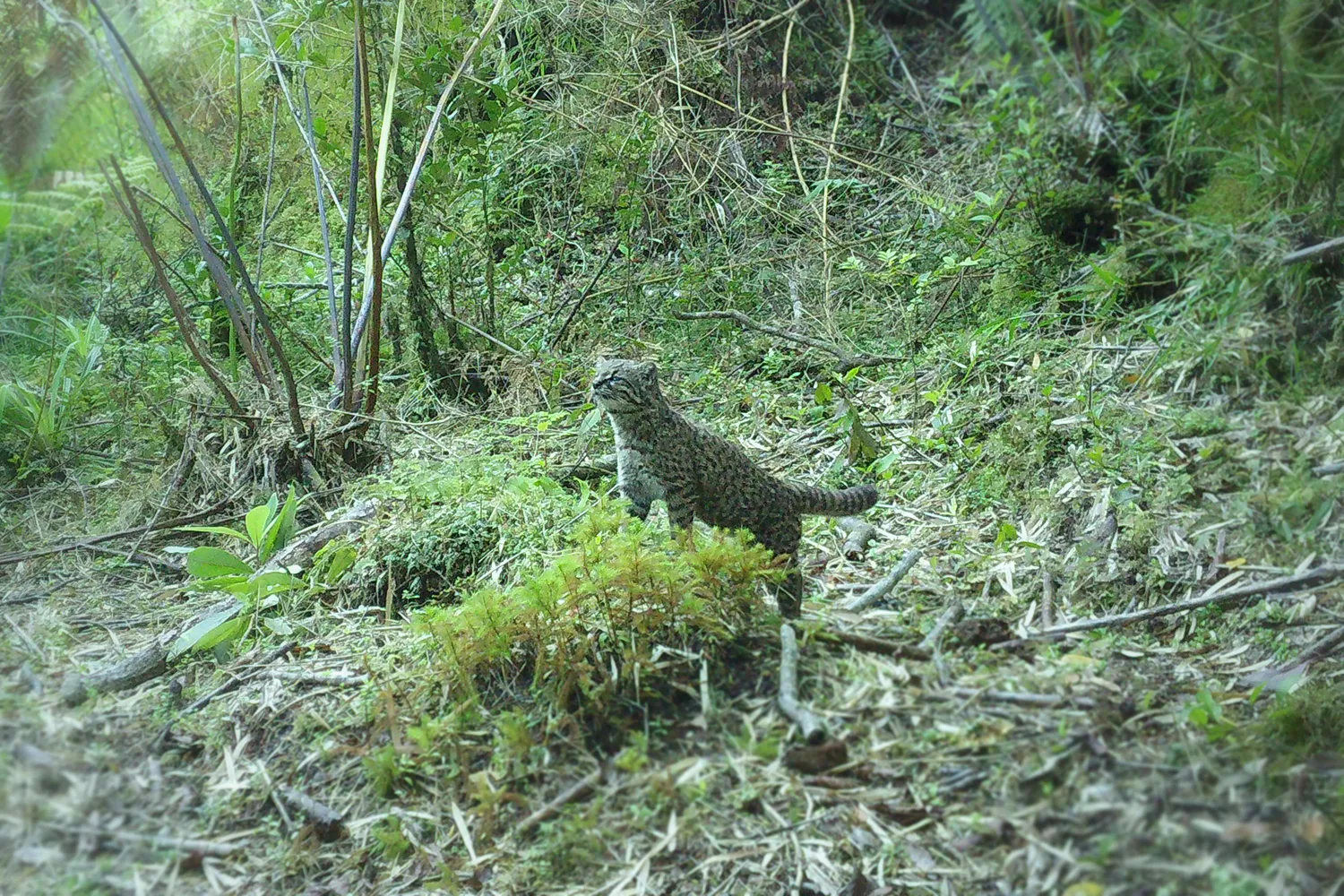 Guiña ©PANTHERA/REWILDING CHILE
The Flat-Headed Cat: An Elusive Wetland Dweller
The flat-headed cat, unfortunately, is the most endangered small cat species discussed here. Recent observations have recorded adult individuals weighing as little as 1 kg, positioning it among the world’s smallest cats, with a general weight range of 2-3 kg (4-6 lbs), similar to the guiña. This species inhabits the wetlands and tropical rainforests of peninsular Malaysia, Sumatra, and Borneo, with potential presence along the Thailand-Malaysia border. Adaptations for its semi-aquatic lifestyle include a short, tubular body, large eyes, oversized teeth, and webbed feet, ideal for hunting fish and small reptiles.
Flat-headed cats are notoriously elusive, with very few camera trap images existing, making scientific study challenging. They are listed as Endangered by the IUCN. Threats include habitat fragmentation due to agricultural expansion, the illegal pet trade, water pollution, and the depletion of fish stocks. Panthera actively engages in conservation efforts, conducting camera trap surveys in Malaysian Borneo to understand population dynamics and ecology. They also empower local communities through training in wildlife monitoring and patrols, building local capacity for conservation.
©ALEXANDER SLIWA
The Black-Footed Cat: A Hunter Extraordinaire
Contrary to the perception that larger cats are the deadliest, the black-footed cat boasts the highest hunting success rate of any wild cat species globally, achieving an impressive 60 percent success rate. Its small stature allows it to effectively stalk prey in short grass and Karoo vegetation, outmaneuvering larger carnivores like African wildcats, Cape foxes, and caracals.
Weighing between 1 to 2 kg (2-4 lbs), this species is perfectly adapted for hunting small birds, rodents, and reptiles in its southern African habitat, which spans large areas of South Africa, Botswana, and Namibia. While facing threats from poisoning and habitat destruction, the black-footed cat is currently listed as Vulnerable by the IUCN Red List, indicating a need for ongoing conservation attention.
©SEBASTIAN KENNERKNECHT
The Rusty-Spotted Cat: The World’s Smallest Felid
The rusty-spotted cat holds the title for the smallest cat species on average, with individuals weighing only 1 to 2 kg (2-4 lbs). Found across diverse habitats in the Indian subcontinent, it shares prey preferences with the guiña and black-footed cat, primarily consuming small rodents and birds. Despite its small size and wide range, much remains to be learned about this elusive felid. Habitat destruction and predation by domestic dogs have led to its classification as Near Threatened by the IUCN, underscoring the importance of protecting its natural environment.
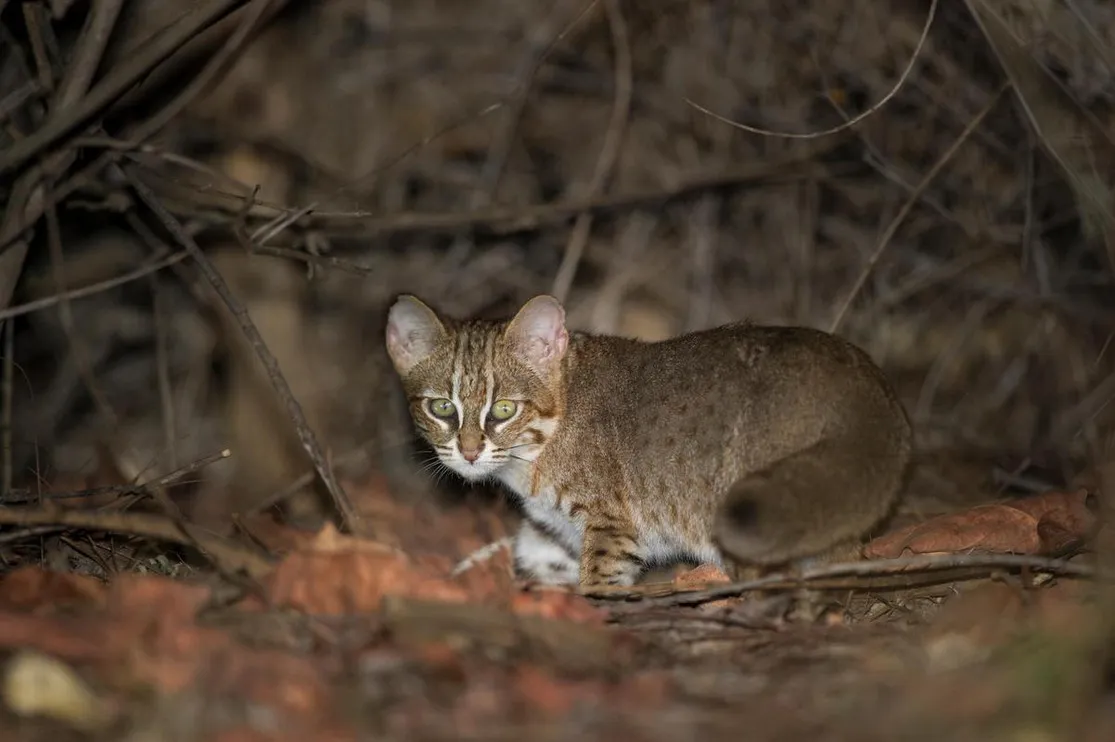 Rusty-spotted cat ©NICK GARBUTT
These four small wild cat species exemplify the incredible diversity within the feline family. Their unique adaptations and the threats they face highlight the critical need for continued research and conservation efforts to ensure their survival for generations to come.
For further exploration into the world of small cats, consult the Small Cat Spotlight collection and the updated Small Cat Program page on the Panthera website.
