
Transitioning your feline companion to a raw food diet can be a rewarding experience, offering potential health benefits and a more natural way of eating. Whether you opt for a full-time switch or a partial integration, understanding the proper handling, storage, and transition process is crucial for your cat’s well-being and safety. This guide will walk you through the essential dos and don’ts to ensure a smooth and successful journey to a raw food diet for your beloved cat.
Understanding the Basics of Raw Food for Cats
Raw cat food, when prepared and handled correctly, can be a highly palatable and nutritious option for felines. The fundamental principle is to mimic their ancestral diet as closely as possible. This means focusing on fresh, unprocessed ingredients that provide essential nutrients in their most bioavailable form.
The “Dos” of Storing and Handling Raw Cat Food:
- Refrigerate or Freeze: Always store raw cat food in the refrigerator or freezer to maintain its freshness and prevent bacterial growth.
- Proper Thawing: If using frozen raw food, thaw it completely in the refrigerator before serving. Never thaw at room temperature or use a microwave, as this can promote bacterial proliferation.
- Use Dedicated Utensils: Employ a clean scoop for measuring each meal. Serving the food at room temperature, rather than cold, can enhance palatability for your cat.
- Manage Leftovers: Cover and refrigerate any uneaten portions immediately. Discard any raw food left out for more than 30 minutes to minimize the risk of spoilage and bacterial contamination.
- Maintain Hygiene: Thoroughly wash your hands, as well as all utensils and surfaces that come into contact with raw meat, to prevent cross-contamination. This is a critical step in ensuring the safety of both your cat and your household.
The “Don’ts” of Raw Cat Food:
- Avoid Microwaving: Microwaving raw cat food is strongly discouraged. It can create hot spots, potentially harm your cat, and is not an effective or safe way to warm the food.
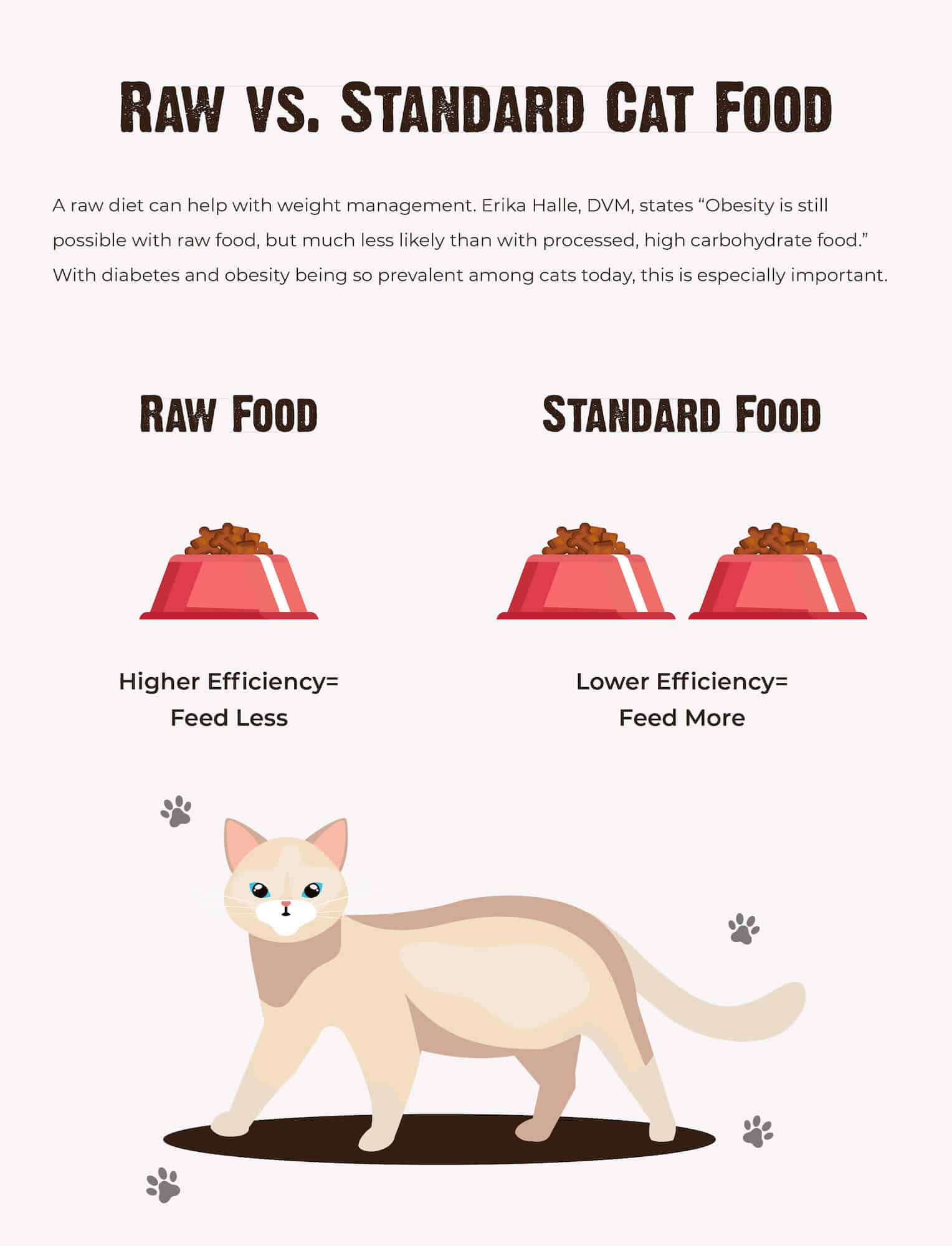
- Prevent Overfeeding: Cats often find raw food incredibly appealing. Be mindful of portion sizes to avoid overfeeding, which can lead to weight gain and other health issues. Stick to recommended feeding guidelines.
- Limit Time Out: Raw food should not be left at room temperature for extended periods. Adhere to the 30-minute limit to ensure food safety.
- Storage Duration: While freezing preserves raw food, it’s best not to store it in the freezer for longer than 18 months to maintain optimal quality.
Feeding Tiki Cat® Raw™: Versatile Options for Your Feline
Tiki Cat® Raw™ offers a high-meat content product designed to cater to various feeding preferences. Whether your cat thrives on an exclusively raw diet or you prefer to supplement their current meals, raw food can be an excellent addition. It complements other Tiki Cat® products, ranging from their crunchy baked kibble to their moisture-rich wet foods, providing a balanced and varied diet.
Transitioning to a Raw-Only Diet: A Gradual Approach
Switching your cat to a 100% raw diet requires patience and a methodical approach. Since each cat is an individual, their transition journey will also be unique. The key is to make the change gradually to minimize digestive upset and encourage acceptance.
Step-by-Step Transition Process:
- Establish a Feeding Schedule: If you haven’t already, set a consistent feeding schedule of two meals per day. Avoid free-feeding (allowing your cat to graze on dry food throughout the day). Since raw food cannot be left out indefinitely, a set schedule helps manage your cat’s expectations and ensures they consume their meals promptly. Ensure you have enough of your cat’s current food to last the entire transition period.
- Introduce Raw Food Gradually: Begin by adding a small scoop of Tiki Cat® Raw™ to your cat’s existing food. You can place it on top or to the side. Ensure the raw food has been thawed in the refrigerator and has reached room temperature (no longer than 30 minutes before serving).
- Increase Raw, Decrease Old Food Daily: Each day, incrementally increase the amount of raw food while decreasing the amount of their old food. Continue this process until your cat is exclusively eating raw food. A slow and steady transition is paramount for preventing stomach upset and maximizing your cat’s cooperation with the new diet. For those seeking high-quality options, exploring urinary metabolic hills or hill’s prescription diet id cat might be beneficial for cats with specific dietary needs, though always consult a veterinarian.
Seeking Support and Finding Products
If you have any questions regarding feeding Tiki Cat® Raw™ or need assistance with the transition process, the company offers support through phone at 866-821-8562, or via email and Facebook. When you’re ready to try Tiki Cat® Raw™, you can find a store near you to locate retailers. It’s always a good idea to call ahead to confirm stock availability and find the product in the freezer section. For cats needing weight management, options like hill’s weight management cat food are also available, reinforcing the importance of tailored nutrition.
