
As a responsible pet parent, ensuring your puppy’s health and safety from parasites like fleas and ticks is paramount. A common question that arises is: when exactly should you begin flea and tick treatment for your young canine companion? This decision is not a one-size-fits-all scenario, as the timing hinges on a variety of factors, including the specific product you choose and your puppy’s individual age and weight. Understanding these product requirements and your puppy’s unique needs is crucial for providing safe and effective protection.
Key Takeaways for Puppy Flea and Tick Prevention
- Timing Varies: The start date for flea and tick treatment for puppies is not fixed; it depends on the puppy’s age and weight, as well as the specific product’s guidelines.
- General Age and Weight: Most puppies can begin treatment between 8–12 weeks old and should weigh at least 2 to 4 pounds. However, always check the product’s specific recommendations.
- Health Risks: Fleas and ticks can cause significant discomfort, skin infections, and transmit serious diseases. Preventive care is essential to avoid these risks.
- Consistent Treatment: When initiating flea and tick treatment for puppies, it’s vital not to skip doses and to treat all pets in the household with appropriate, species-specific products.
- Infestation Management: If an active infestation occurs, treatment will involve addressing both the pet and the home environment.
When to Initiate Flea and Tick Treatment for Puppies
It’s crucial to start your puppy on a flea and tick control regimen before they experience an infestation. Prevention is the most effective strategy for keeping them comfortable and healthy.
Generally, many flea and tick treatments are suitable for puppies aged 8–12 weeks. However, some products may not be recommended until a puppy reaches 6 months of age. Always consult the product label for the exact age and weight requirements.
In addition to age, flea and tick treatments for puppies typically have weight restrictions. Most puppies need to weigh around 2 to 4 pounds before they can safely start on common prescription flea and tick treatments. For instance, NexGard PLUS Chewables for Dogs are designed for puppies 8 weeks and older, weighing at least 4 pounds.
Adhering to the usage instructions for tick and flea control for puppies is vital. These are usually found on the product packaging. Your veterinarian is your best resource for determining the right flea and tick product tailored to your puppy’s weight, age, and specific health needs.
What If My Puppy Is Too Young for Flea and Tick Treatments?
For puppies who are too young to begin standard flea and tick treatments, minimizing their exposure to these parasites is the priority. Puppies can contract fleas and ticks from various sources, including grassy areas, other animals, and even from people who inadvertently carry these pests into your home.
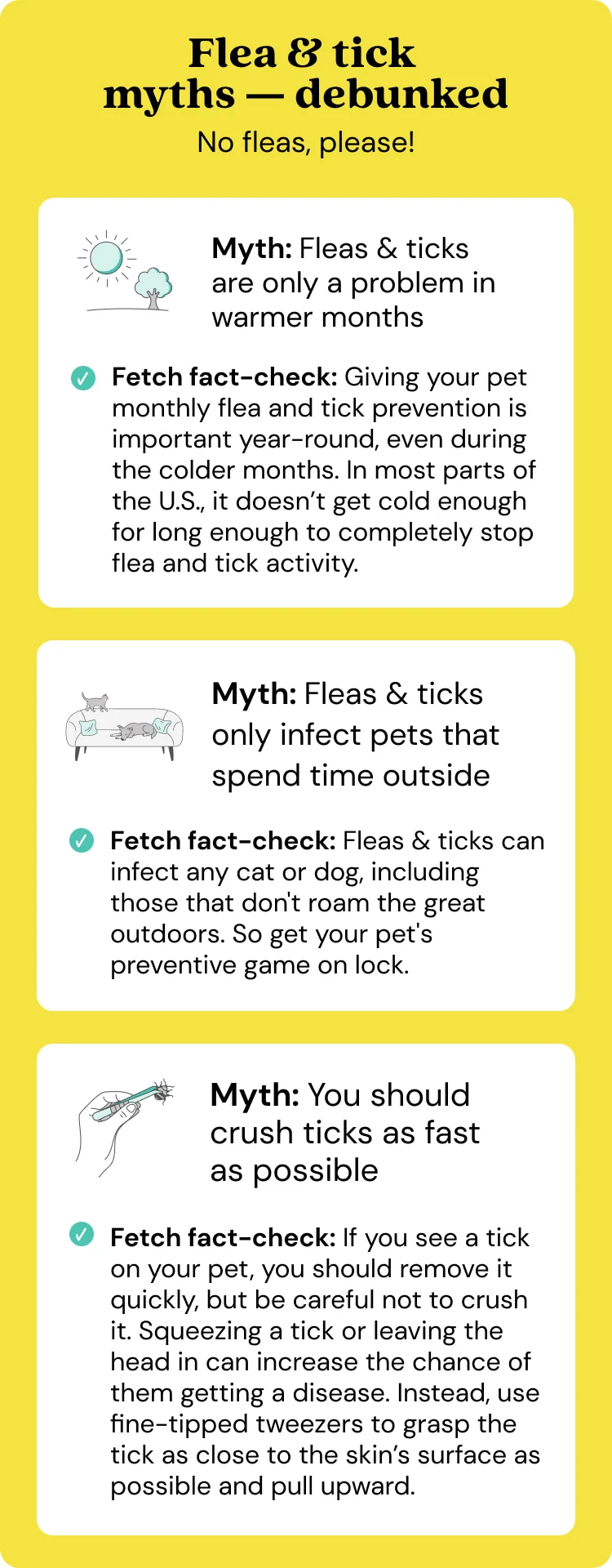
To protect very young puppies, maintain a clean living environment by regularly washing their bedding and vacuuming. Avoid areas outdoors known to harbor fleas and ticks, and limit contact with other animals that might be infested. If your young puppy does develop a flea infestation, you can bathe them with a gentle dish soap and use a flea comb to remove adult fleas. For ticks, use tweezers or a specialized tick removal tool to safely remove them.
The Importance of Flea and Tick Control for Puppies
Fleas and ticks are prevalent throughout the United States and can pose serious health risks to both pets and humans.
Fleas are known carriers of tapeworms, which can infect both animals and people. They can also transmit diseases like plague, murine typhus, and cat scratch fever. A single flea bite can lead to intense itching, skin irritation, hypersensitivity, allergic reactions, anemia, and secondary skin infections from excessive scratching.
Ticks are vectors for a number of severe diseases, including Lyme disease, Babesiosis, Ehrlichiosis, Rocky Mountain spotted fever, Anaplasmosis, and several others. Consistent preventive care is essential to shield your puppy from these potentially life-threatening conditions.
Tips for Starting Puppies on Flea and Tick Treatment
Beginning flea and tick treatment for your puppy early is fundamental to their overall health and comfort. Here are key recommendations to help keep your puppy safe from these parasites:
Start As Early As Possible
It is critical to start your puppy on an age- and weight-appropriate flea and tick preventive as soon as it is safe to do so. This proactive approach protects them from the discomfort and health risks associated with these parasites. Remember that fleas and ticks cause not only itching and skin issues but can also transmit serious diseases.
Choose the Best Flea and Tick Treatment for Your Puppy and Lifestyle
A wide array of safe and effective products are available to prevent and treat flea and tick infestations. Common options for puppies include:
- Oral Medications: These are typically monthly pills or chewable tablets, such as NexGard PLUS, that provide protection against fleas and ticks. They are a good choice for puppies who enjoy treats and have no food sensitivities.
- Topical Treatments (Spot-Ons): Applied to the skin, usually between the shoulder blades, these treatments are typically administered monthly to kill or repel fleas and ticks. They are suitable for puppies without skin sensitivities who may not tolerate oral medications well.
- Flea and Tick Collars: These collars release active ingredients over time to repel or kill fleas and ticks, offering protection for several months. They are convenient for busy owners seeking long-lasting defense.
- Sprays: Flea and tick sprays are applied directly to the dog’s coat for fast-acting relief and can be used as a supplement to other preventives.
- Shampoos: Specially formulated flea and tick shampoos kill parasites on contact during bathing and are often used for immediate relief or as an adjunct to other treatments.
Consider the Range of Parasites Protected Against
It’s important to note that not all products protect against the same parasites or even the same life stages of a parasite. Some medications target adult fleas, while others also address flea eggs and larvae. The types of ticks a medication is effective against can also vary by geographic region. Beyond fleas and ticks, some treatments offer protection against other external parasites like lice and mites, as well as internal parasites such as roundworms and hookworms. For example, NexGard PLUS provides monthly protection against fleas, ticks, heartworm disease, roundworms, and hookworms.
[Don’t Skip Doses
Consistency is key. Set reminders for monthly or scheduled doses to ensure uninterrupted protection. Skipping doses can create a gap in your puppy’s defense, leaving them vulnerable to parasites.
Treat All Pets in the Household
Fleas and ticks can easily spread and persist in the environment, and can be brought in by wildlife. Therefore, it is essential to treat all pets in your home, including both dogs and cats, to prevent re-infestation.
Always Use Species-Specific Products
Never use flea and tick products intended for cats on dogs, or vice versa. Dogs and cats have different metabolisms and process medications differently. Dosage and efficacy vary significantly between species, and using the wrong product can lead to toxicity. Always select a medication specifically labeled for dogs and appropriate for your puppy’s weight to ensure safety.
Keep the Environment Clean
Parasite prevention is most effective when combined with environmental management. Regularly vacuum your home, wash pet bedding in hot water, and maintain your yard to reduce parasite habitats.
When To Start Flea and Tick Treatment for Puppies FAQs
When can you start flea and tick treatment for a puppy?
Flea and tick treatment can typically begin for puppies between 4 to 8 weeks old, depending on the specific product used. It is always best to consult your veterinarian, who can recommend the most suitable prevention based on your pup’s age, weight, lifestyle, and health status.
What flea and tick treatment can I use on a puppy who’s under 6 weeks old?
For puppies younger than 6 weeks old experiencing a flea problem, the initial step is often bathing them with a gentle dish soap to remove fleas. Ensure they are kept warm and dry afterward to prevent hypothermia. While some products are approved for puppies as young as 6 weeks, always verify the age and weight guidelines before use.
What kills fleas on puppies instantly?
To achieve the fastest flea kill, bathing your puppy with a flea and tick shampoo suitable for their age and weight is recommended. Remember that comprehensive treatment also involves addressing the home and yard environment to eliminate an infestation effectively.
NexGard® PLUS (afoxolaner, moxidectin, and pyrantel chewable tablets) is safe for puppies at 8 weeks of age, weighing 4 pounds or more. Use with caution in dogs with a history of seizures or neurologic disorders. The most frequently reported adverse reactions include diarrhea, vomiting, lethargy, and itching. Dogs should be tested for existing heartworm infection prior to starting a preventive. For complete prescribing information, consult your veterinarian or call 888-637-4251.
NexGard® is a registered trademark of Boehringer Ingelheim Animal Health France, used under license. ©2025 Boehringer Ingelheim Animal Health USA Inc., Duluth, GA. All rights reserved.
WRITTEN BY
Amanda Simonson, DVM
Veterinarian
