
Ensuring your dog’s health and happiness is a paramount responsibility for any pet owner, and a cornerstone of this preventative care involves consistent protection against external parasites. Fleas and ticks are more than just an annoyance; they pose significant health risks, ranging from skin irritations to severe, life-threatening diseases for our beloved canine companions. Understanding the importance of proper Tick And Flea Medication is crucial for safeguarding your dog’s well-being and maintaining a healthy home environment. This comprehensive guide will delve into why prevention is essential, when to administer these treatments, the various types available, key factors to consider when making a choice, and a detailed look at popular options on the market. By arming yourself with this knowledge, you can confidently select the most effective and safest flea and tick medication for dogs to keep your furry friend thriving.
The Critical Need for Tick and Flea Medication: Protecting Your Dog’s Health
Fleas and ticks are notorious ectoparasites, meaning they live on the exterior of their host, relying on blood meals for survival. While their bites are directly harmful, the secondary health issues they cause are often far more serious and debilitating. These tiny invaders can significantly impact your dog’s health and, in many cases, even affect human family members.
The immediate consequences of flea bites can include severe allergic reactions, leading to intense itching, skin inflammation (dermatitis), and secondary bacterial infections from constant scratching. In severe infestations, especially in puppies or small dogs, excessive blood loss can result in anemia, a life-threatening condition. Ticks, on the other hand, are vectors for a wider array of dangerous diseases. Their bites can cause localized infections, abscesses, and in rare cases, tick paralysis, a neurological condition that can lead to respiratory failure and death if untreated.
Beyond direct harm, these parasites are notorious for harboring and transmitting a variety of diseases to dogs, some of which include:
- Lyme Disease: Caused by bacteria, leading to lameness, fever, and kidney issues.
- Anaplasmosis: Affects blood cells, causing lameness, joint pain, fever, and lethargy.
- Ehrlichiosis: Targets white blood cells, resulting in fever, lethargy, bleeding disorders, and chronic organ damage.
- Rocky Mountain Spotted Fever: A severe bacterial disease causing fever, skin lesions, neurological signs, and joint pain.
- Babesiosis: A parasitic disease attacking red blood cells, leading to anemia, fever, and organ damage.
- Tapeworms: Fleas can transmit tapeworm larvae if ingested by a dog during grooming.
The danger extends beyond your pets, as several of these tick-borne illnesses, such as Lyme disease and Rocky Mountain Spotted Fever, are zoonotic, meaning they can spread to humans. This interconnected risk underscores the critical importance of maintaining rigorous flea and tick control for your dog, not just for their health, but for the safety of everyone in your household. Consistent prevention is the most effective way to keep these parasites off your dog and out of your home.
When to Administer Tick and Flea Medication: A Year-Round Commitment
Many pet owners mistakenly believe that flea and tick prevention is only necessary during warmer months. However, fleas and ticks are incredibly resilient and have adapted to survive in various climates and environments throughout the year. While their activity might peak in spring and summer, they can remain a threat even in colder seasons by seeking refuge indoors or in sheltered outdoor areas.
For optimal protection, it is crucial to initiate tick and flea prevention for your dog as early as veterinary guidelines allow, typically around 8 weeks of age, and to continue this regimen year-round for the entirety of your dog’s life. This uninterrupted protection ensures there are no gaps in coverage, preventing infestations before they can take hold and transmit diseases. Even during winter, fleas can thrive in heated homes, and certain tick species remain active when temperatures are above freezing. A continuous, proactive approach is the most effective defense against these persistent parasites.
Navigating Your Options: Types of Tick and Flea Medication for Dogs
The market offers a diverse array of products designed to protect your dog from fleas and ticks. These products generally fall into categories such as pesticides, repellents, or growth inhibitors, each targeting parasites at different life stages to prevent infestations and break their life cycles. While some products focus solely on fleas, many pet parents opt for combination tick and flea medication for dogs, which contain multiple active ingredients to combat a broader spectrum of pests. These comprehensive solutions often provide additional protection against heartworms, various mites (skin and ear), and common intestinal parasites like roundworms and hookworms.
For example, certain advanced formulas offer extensive parasite protection, covering a wide range of threats including fleas, ticks, heartworms, roundworms, hookworms, and tapeworms, simplifying your dog’s preventative care routine. When exploring options like chewable flea and tick medication for dogs, always consult with your veterinarian. They can help you review product labels and ensure the chosen medication is:
- Appropriate for your pet’s species (dog versus cat, as some dog products are highly toxic to cats).
- Within the correct weight range for your dog.
- Effective against the specific parasites prevalent in your area and relevant to your dog’s risk factors.
- Administered correctly (e.g., with food, on an empty stomach).
- Given at the recommended frequency (monthly, quarterly, etc.).
- Safe for your dog, considering any pre-existing medical conditions or sensitivities.
- Known for its onset of action and any restrictions (like bathing after topical application).
- Accompanied by clear instructions on what to do in case of an adverse reaction.
Beyond these fundamental checks, several other factors play a significant role in determining the most suitable tick and flea medication for your dog.
Understanding Different Application Methods
Tick and flea medications primarily come in two popular forms, each with its own set of advantages and considerations:
- Oral Medications: These are typically edible flea and tick medication for dogs in the form of chewable tablets that your dog ingests. Oral treatments are often seen as convenient because they can be given like a treat, making administration straightforward for many dog parents. Once absorbed, the active ingredients circulate throughout the dog’s bloodstream, killing parasites when they bite. A key benefit is that their efficacy is generally not affected by bathing or swimming, making them ideal for active dogs. However, it’s important to monitor your dog to ensure they consume the entire tablet and do not vomit it before it can be fully absorbed.
- Topical Medications: These liquid formulations are applied directly to the dog’s skin, typically between the shoulder blades or along the back. Topical preventatives can be a great alternative for dogs that are finicky eaters or have sensitive stomachs, as they bypass the digestive system. However, care must be taken to prevent small children or other household pets from touching or licking the application site before the product has completely dried. Additionally, the effectiveness of topical treatments can be reduced if your dog frequently swims or requires regular baths, as water exposure may wash away or dilute the active ingredients.
The Role of Geography in Parasite Control
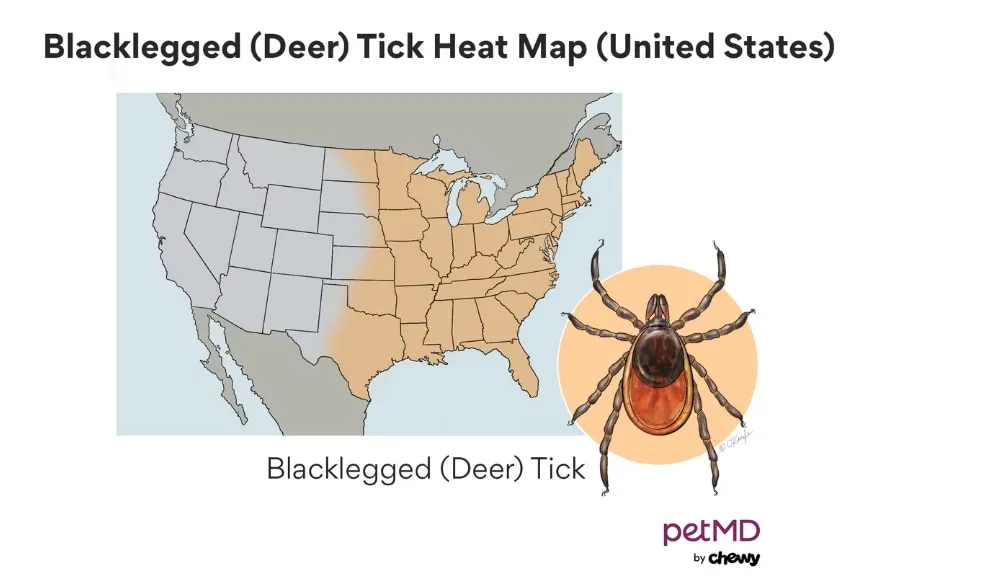
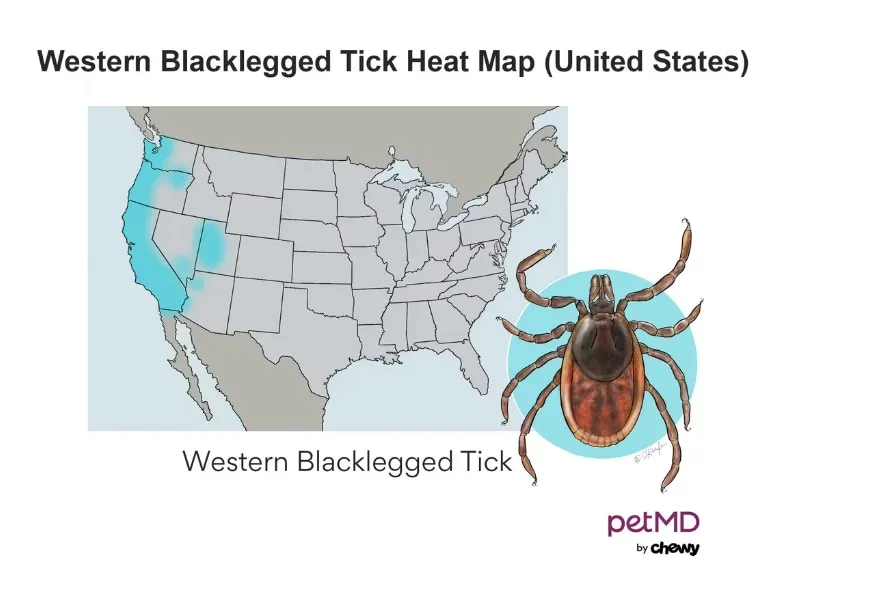
Different geographical locations host varying populations of parasites, including specific species of fleas and ticks. Understanding the local parasite landscape is crucial for selecting a medication that provides adequate protection. For instance, certain tick species are more prevalent in specific regions, and some may carry unique diseases.
Organizations like the Companion Animal Parasite Council (CAPC) offer valuable resources, including interactive maps and data on parasite prevalence by region. Consulting their guidelines for your specific area can help you identify the most common threats and ensure that your chosen tick and flea medication for dogs effectively protects against them.
 Map showing prevalence of fleas in various regions
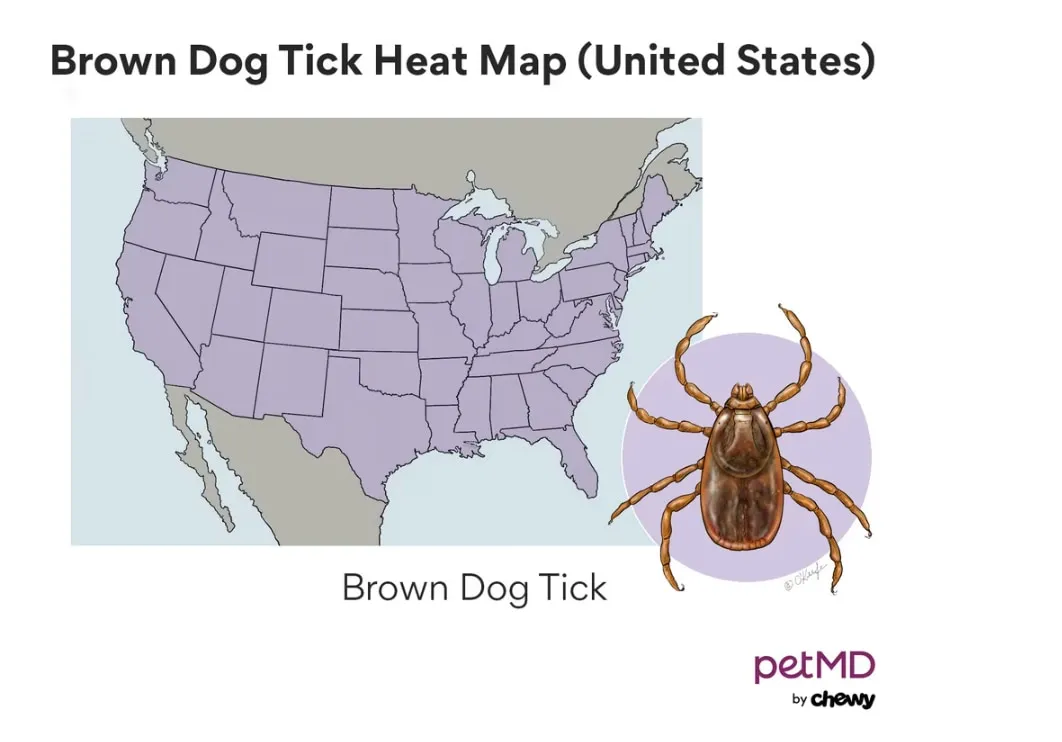 Map indicating tick activity in different geographical zones
 Detailed map illustrating prevalence of specific tick-borne diseases
 Environmental factors impacting flea and tick populations across regions
Assessing Your Dog’s Outdoor Access and Lifestyle
The amount of time your dog spends outdoors and the types of environments they explore significantly influence their risk of exposure to fleas and ticks. Dogs that frequent dog parks, hiking trails, wooded areas, tall grasses, or even richly vegetated backyards are at a higher risk due to increased contact with potential parasite habitats. These areas are common homes for fleas and various tick species.
However, even dogs that spend most of their time indoors are not entirely safe. Fleas can hitch a ride into your home on other pets, on your clothing or shoes, or even through window screens. Ticks can also be brought in inadvertently. For this reason, veterinarians universally recommend year-round tick and flea prevention regardless of how much time your dog spends outside, emphasizing that no dog is truly immune to exposure.
Special Considerations: MDR-1 Gene and Breed-Specific Needs
Certain dog breeds, such as Collies, Australian Shepherds, and Shetland Sheepdogs, may possess a genetic mutation known as MDR-1. This mutation can impair their ability to metabolize and excrete certain medications, making them more susceptible to adverse reactions, including neurological side effects. Many veterinarians advise testing at-risk breeds for the MDR-1 gene to guide medication choices. While some parasite preventatives have been tested and found safe for dogs with the MDR-1 mutation, it’s always best to discuss this with your vet to ensure the chosen tick and flea medication is safe for your genetically predisposed dog.
Beyond specific genetic sensitivities, a dog’s general lifestyle and breed characteristics can also play a role. Working dogs, herding dogs, or hunting breeds that spend extensive time in fields or forests naturally face a higher exposure risk compared to companion dogs content with indoor living and short leash walks. Tailoring your prevention strategy to match your dog’s daily activities is crucial.
Age and Life Stage: Tailoring Medication for Puppies and Senior Dogs
A dog’s age and life stage are critical factors when selecting tick and flea medication. Puppies typically have a minimum age and weight requirement for most preventatives, often starting at 8 weeks old and a specific weight (e.g., 3-5 pounds). Using a product not specifically formulated for puppies can lead to severe side effects. Similarly, very small dog breeds or senior dogs with compromised health may require special consideration.
Always consult your veterinarian to find an appropriate product that matches your dog’s current weight and age. Some products are specifically designed for very young puppies and can be used earlier, such as at 6 weeks of age, but these are exceptions rather than the rule.
Medical Conditions: When to Exercise Caution with Tick and Flea Medication
A dog’s existing medical conditions can significantly influence the choice of tick and flea medication. For instance, certain classes of preventatives, known as isoxazolines (found in products like Bravecto, Credelio, Nexgard, and Simparica Trio), should be used with extreme caution in dogs with a history of seizures, epilepsy, or other neurological disorders. While generally safe, these medications may lower the seizure threshold in predisposed individuals, potentially leading to breakthrough seizures.
Furthermore, no tick and flea medication should be administered without thorough discussion with your veterinarian if:
- Your dog has previously experienced an allergic reaction to any medication.
- Your dog is currently ill, debilitated, or significantly underweight.
- Your dog is pregnant, nursing, or intended for breeding in the near future, as the safety profile for these specific situations can vary between products.
Always provide your veterinarian with a complete medical history of your dog to ensure they can recommend the safest and most effective tick and flea medication.
Over-the-Counter vs. Prescription Tick and Flea Medication: What’s Best for Your Dog?
When choosing tick and flea medication, you’ll encounter options available both over-the-counter (OTC) and by prescription from a veterinarian. Understanding the differences between these categories is vital for making an informed decision.
Over-the-Counter Flea and Tick Products
Over the counter flea and tick medication for dogs do not require a veterinary prescription and can be purchased readily online or from various pet supply retailers. These products offer convenience and are often more budget-friendly. However, their accessibility does not necessarily equate to universal safety or efficacy for all dogs. OTC options may contain different active ingredients or concentrations compared to prescription medications, and some may be less effective against emerging resistant parasite strains.
If you choose to use an OTC flea and tick preventative, it is still strongly recommended to consult your veterinarian beforehand. They can advise whether a particular OTC product is suitable for your dog’s specific needs, health status, and local parasite threats, ensuring it’s a safe and effective choice. For many pet parents, the goal is to find the best over the counter flea and tick medication for dogs that balances convenience with reliability, always with vet guidance.
Prescription Flea and Tick Products
Prescription tick and flea medication requires authorization from your veterinarian, typically after a physical examination and discussion of your dog’s health history. While these products might carry a slightly higher cost, they are often recommended by veterinarians for several compelling reasons. Prescription medications generally undergo more rigorous testing and contain newer, more potent active ingredients that are highly effective against a broad spectrum of parasites, often with fewer documented resistance issues. They frequently offer broader protection, including heartworm prevention and treatment for intestinal parasites, providing comprehensive internal and external parasite control.
Veterinarians can recommend the most appropriate prescription product based on their expert knowledge of your dog’s individual needs, potential drug interactions, and regional parasite challenges. This personalized approach ensures the highest level of safety and efficacy for your dog’s long-term health.
Popular Dog Flea and Tick Prevention Products
The market is rich with various brands offering effective tick and flea medication. Below is a summary of some widely used options, highlighting their key features and considerations:
Advantage II
Advantage II is a topical, monthly application containing imidacloprid and pyriproxyfen. This fast-acting combination effectively kills all flea life stages (eggs, larvae, adults) within hours and also treats chewing lice. Notably, Advantage II does not provide protection against ticks. It is suitable for dogs and puppies aged over 7 weeks and weighing more than 3 pounds.
Advantage Multi
Advantage Multi is a topical monthly product that combines imidacloprid and moxidectin. It offers broad protection against fleas (killing them within hours), sarcoptic mange, and intestinal parasites such as hookworms, roundworms, and whipworms, in addition to preventing heartworm disease. Similar to Advantage II, this product does not offer tick prevention. It’s suitable for dogs and puppies over 7 weeks and weighing more than 3 pounds.
Bravecto
Bravecto is available as a chewable tablet or topical solution, featuring fluralaner, an active ingredient from the isoxazoline class. It is fast-acting, eliminating fleas within two hours and ticks within 12 hours. Bravecto also demonstrates effectiveness against demodectic, sarcoptic mange, and ear mites, offering up to 12 weeks of protection. Due to its isoxazoline component, Bravecto products should be used with caution in dogs with a history of seizures, epilepsy, or other neurological disorders.
Comfortis
Comfortis is a monthly chewable tablet containing spinosad, which is solely effective against fleas. It acts rapidly, killing fleas within 30 minutes of administration. This product is approved for dogs and puppies 14 weeks or older and weighing over 5 pounds.
Credelio
Credelio is a monthly chewable tablet with lotilaner, another active ingredient in the isoxazoline drug class. It effectively treats fleas (starting to kill within four hours) and ticks. Credelio is safe for dogs and puppies over 8 weeks of age and weighing more than 4.4 pounds. As with other isoxazolines, caution is advised for dogs with a history of seizures, epilepsy, or neurological disorders.
Credelio Quattro
Credelio Quattro is an advanced monthly chewable tablet combining lotilaner (for fleas and ticks), moxidectin (for heartworms, hookworms, and roundworms), praziquantel (for two species of tapeworms), and pyrantel (for hookworms and roundworms). This comprehensive formulation provides extensive parasite protection. It is approved for dogs and puppies 8 weeks of age and older, weighing at least 3.3 pounds.
Frontline Gold
Frontline Gold is a topical monthly treatment containing fipronil, (s)-methoprene, and pyriproxyfen. This triple-action formula rapidly kills fleas, ticks, and chewing lice within hours. It is suitable for dogs and puppies over 8 weeks and weighing more than 5 pounds.
Frontline Plus
Frontline Plus is a topical monthly product with fipronil and (s)-methoprene. It kills fleas, ticks, and chewing lice. While effective, its action might be slightly slower than Frontline Gold. It is recommended for dogs and puppies over 8 weeks and weighing more than 5 pounds.
Frontline Shield
Frontline Shield is a topical monthly application containing fipronil, permethrin, and pyriproxyfen. This product offers broad protection, killing fleas, ticks, chewing lice, and stable flies, while also repelling mosquitoes, stable flies, and ticks. It starts killing fleas in five minutes and ticks within one hour. Frontline Shield is for dogs and puppies over 9 weeks and weighing more than 5 pounds. Important: This product is highly toxic to cats; extreme caution is necessary in multi-pet households.
K9 Advantix II
K9 Advantix II is a topical monthly product with imidacloprid, permethrin, and pyriproxyfen. It repels and kills fleas, ticks, mosquitoes, and chewing lice, and also repels biting flies. It begins killing parasites within hours. This product is for dogs and puppies over 7 weeks old and weighing more than 4 pounds. Crucially, K9 Advantix II is highly toxic to cats and should be avoided or used with extreme caution in households with cats.
Nexgard
Nexgard is a monthly chewable tablet containing afoxolaner, an isoxazoline. It is effective against fleas, deer ticks, American dog ticks, brown dog ticks, and Lone Star ticks. It also offers extra-label treatment for sarcoptic and demodectic mange. Nexgard starts killing fleas within four hours and ticks within 48 hours. It is approved for dogs and puppies over 8 weeks old and weighing more than 4 pounds. Caution is advised for dogs with a history of seizures, epilepsy, or neurological disorders.
Onguard Plus
Onguard Plus is a topical monthly product containing fipronil and (s)-methoprene. This combination kills all fleas, ticks, sarcoptic mange, and chewing lice. It is suitable for dogs and puppies over 8 weeks old and weighing more than 5 pounds.
Seresto
Seresto is a collar containing imidacloprid and flumethrin, offering sustained protection by killing and repelling fleas and ticks for up to eight months. Fleas are typically killed within 24 hours of application, and ticks within 48 hours. Its efficacy may decrease with frequent bathing or swimming, potentially requiring replacement every five months in such cases. The collar is suitable for dogs and puppies over 7 weeks of age.
Simparica Trio
Simparica Trio is a monthly chewable tablet combining sarolaner (an isoxazoline), moxidectin, and pyrantel. It treats fleas, ticks, roundworms, and hookworms, and prevents heartworm disease. It is also used extra-label for demodectic mange, sarcoptic mange, and ear mites. Simparica Trio begins killing fleas and ticks within 12 hours. It is approved for dogs and puppies over 8 weeks old and weighing more than 2.8 pounds. As an isoxazoline, caution is advised for dogs with a history of seizures, epilepsy, or neurological disorders.
Trifexis
Trifexis is a monthly chewable tablet containing spinosad and milbemycin oxime. It is effective against fleas (killing them within 30 minutes), hookworms, roundworms, and whipworms, while also preventing heartworm disease. This product does not provide protection from ticks. It is approved for dogs and puppies 8 weeks or older and weighing over 5 pounds.
Vectra 3D
Vectra 3D is a topical monthly product combining dinitefuran, permethrin, and pyriproxyfen. This formulation repels and kills fleas, ticks, mosquitoes, chewing lice, sand flies, biting flies, and some mites, with effects starting within hours. It is suitable for dogs and puppies over 8 weeks old and weighing more than 5 pounds. Important: Vectra 3D is highly toxic to cats; extreme caution is required in households with cats.
Conclusion
The journey of dog ownership is filled with joy, but it also comes with the significant responsibility of ensuring their health and safety. Implementing a consistent, year-round tick and flea medication regimen is one of the most vital steps you can take to protect your canine companion from painful bites, allergic reactions, and the myriad of serious diseases these parasites can transmit. From understanding the life cycles of fleas and ticks to navigating the various oral, topical, and collar-based treatments, informed decision-making is key.
Remember that every dog is unique, with individual needs based on their age, weight, lifestyle, geographical location, and health status. What works best for one dog may not be ideal for another. Therefore, the most critical step in choosing the right tick and flea medication for your dog is always to consult with your trusted veterinarian. They possess the expertise to assess your dog’s specific risk factors, discuss potential sensitivities, and recommend a personalized prevention plan that ensures comprehensive protection and peace of mind. Prioritizing your dog’s preventative care with professional guidance will contribute significantly to a long, healthy, and happy life together.
Expert Consultation and Further Reading
The information provided in this guide is based on current veterinary knowledge and best practices for canine parasite prevention. For individualized advice and to determine the most appropriate tick and flea medication for your dog, please consult with a qualified veterinarian. Continuous advancements in veterinary medicine mean that new and improved preventative options are regularly becoming available. Staying informed through reputable sources and professional consultations is essential for optimal pet care.
