
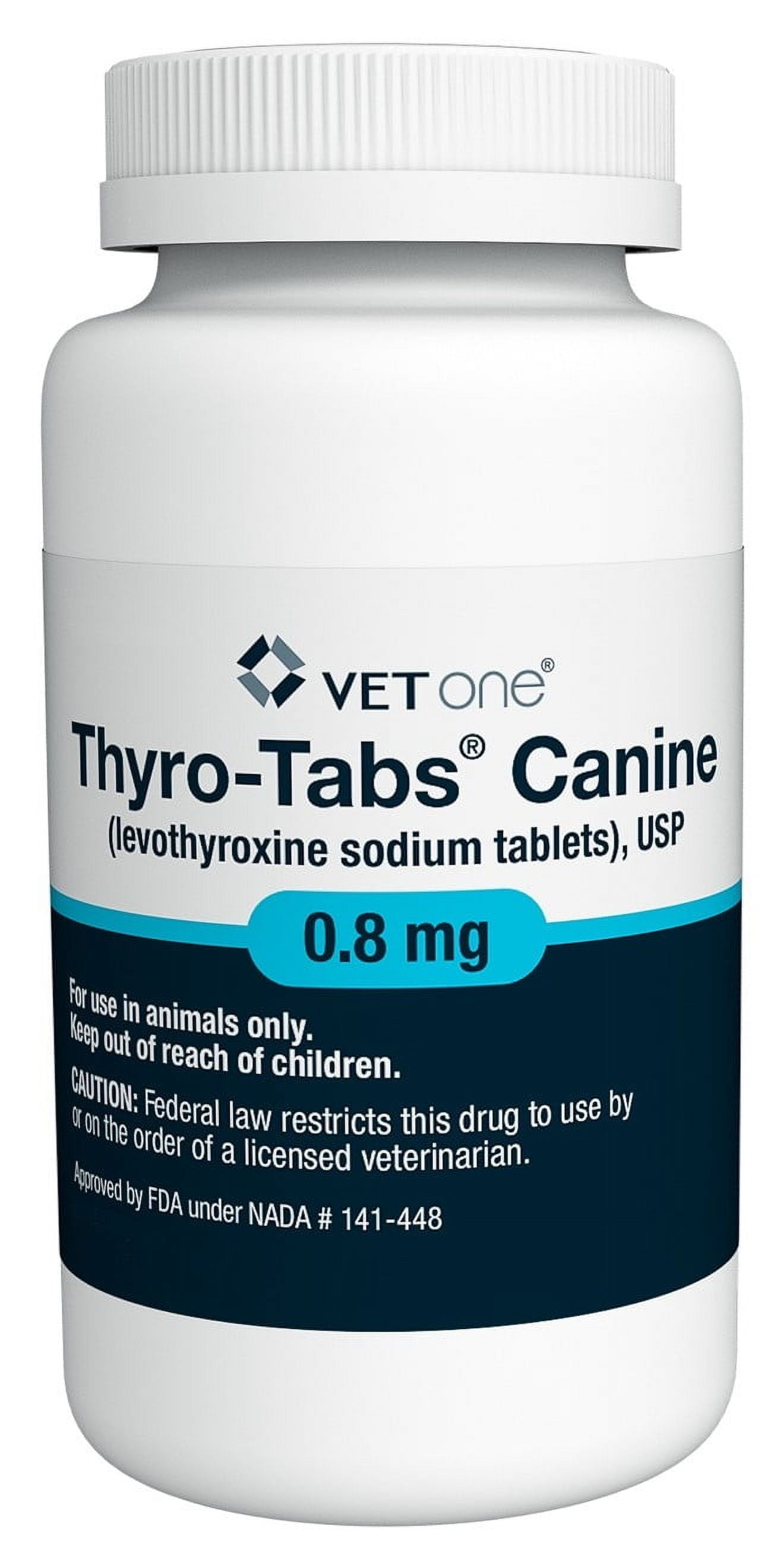
Hypothyroidism, a condition where a dog’s thyroid gland doesn’t produce enough thyroid hormone, can significantly impact their health and well-being. Fortunately, medications like Thyro-Tabs® Canine, containing the active ingredient levothyroxine sodium, are FDA-approved to provide essential replacement therapy. This medication helps restore normal thyroid hormone levels, alleviating the symptoms associated with an underactive thyroid. While primarily used for dogs, levothyroxine sodium also finds application in managing hypothyroidism in cats, horses, birds, and tortoises, and your veterinarian can advise on its suitability for your specific pet.
How Thyro-Tabs® Works to Restore Metabolism
Levothyroxine sodium is a synthetic version of thyroxine, a crucial hormone produced by the thyroid gland that regulates metabolism and numerous bodily functions. In dogs with hypothyroidism, the thyroid gland’s inability to produce sufficient thyroxine leads to a deficiency. Thyro-Tabs® supplements this deficiency, effectively replacing the missing hormone and bringing thyroid hormone levels back to a normal range. Your veterinarian may prescribe levothyroxine for off-label use in certain species or conditions not explicitly listed on the medication’s label, a practice known as extra-label use. This decision is based on your pet’s individual health needs and your veterinarian’s professional judgment.
Administering Thyro-Tabs® for Optimal Results
Thyro-Tabs® is typically administered orally to dogs once or twice daily, ideally on an empty stomach to ensure maximum absorption. It is crucial to administer the medication at the same time each day to maintain consistent hormone levels. The dosage will be determined by your veterinarian based on your dog’s weight, the severity of their condition, and other individual factors. Dogs often require higher doses of thyroid hormone replacement compared to humans or other species.
What to Do if a Dose is Missed
If you forget to give a dose of Thyro-Tabs®, consult your veterinarian for guidance. Generally, you may be advised to administer the missed dose as soon as you remember, unless it is nearly time for the next scheduled dose. In such cases, skip the missed dose and resume your regular dosing schedule. It is imperative to avoid giving double doses to prevent potential adverse effects.
Potential Side Effects and Monitoring Your Pet
While generally safe, a small number of pets may experience side effects from Thyro-Tabs®. These can include loss of appetite, weight loss, skin irritation, vomiting, lethargy, diarrhea, increased thirst, and a faster respiratory rate. Allergic reactions, though rare, may manifest as hives, rash, or facial swelling. It is important to note that levothyroxine is also a human medication, and dosages and side effects can differ. To minimize accidental exposure, wear gloves or wash your hands thoroughly after administering the medication. If ingested, contact your physician or the national Poison Control Center.
Monitoring your dog’s thyroid levels is essential, especially when initiating or adjusting Thyro-Tabs® dosages. Your veterinarian may recommend additional tests based on your pet’s specific health status, other medications they may be taking, or the underlying reasons for their hypothyroidism.
When to Contact Your Veterinarian
You should contact your veterinarian immediately if you observe any of the following:
- Severe side effects.
- Your pet’s condition worsening or not improving.
- Signs of an overdose.
- Any questions or concerns regarding the medication or its use.
Managing Overdoses and Storage
Thyro-Tabs® has a wide safety margin, but large overdoses can lead to symptoms such as agitation, seizures, elevated heart rate, high blood pressure, increased hunger, vomiting, diarrhea, weight loss, and excessive panting. Since the medication is excreted in feces, ensure other pets do not consume the medicated feces. In case of a suspected overdose, seek immediate veterinary care. Resources like the Pet Poison Helpline and the ASPCA Animal Poison Control are available for urgent assistance.
Thyro-Tabs® should be stored at controlled room temperatures, typically between 68-77°F (20-25°C), with brief exposure to temperatures between 59-86°F (15-30°C) being acceptable. Always confirm storage temperatures on the product label. Keep the container tightly sealed to protect it from moisture and light, and store it out of reach of children and pets.
Frequently Asked Questions About Thyro-Tabs®
How Long Until Thyro-Tabs® Shows Results?
Most pets exhibit noticeable improvements within the first 1-2 weeks of treatment. However, more significant changes, such as weight loss, improved coat quality, and resolution of neurological signs, may take 8-12 weeks to become apparent.
All content in this article is sourced from public information and manufacturer data. No compensation has been received by the authors from medication manufacturers for creating this content.
Featured Image: iStock.com/NickyLloyd
Written by Stephanie Howe, DVM
Dr. Stephanie Howe graduated from the University of Florida College of Veterinary Medicine in 2011, after receiving a Bachelor of Science…
