
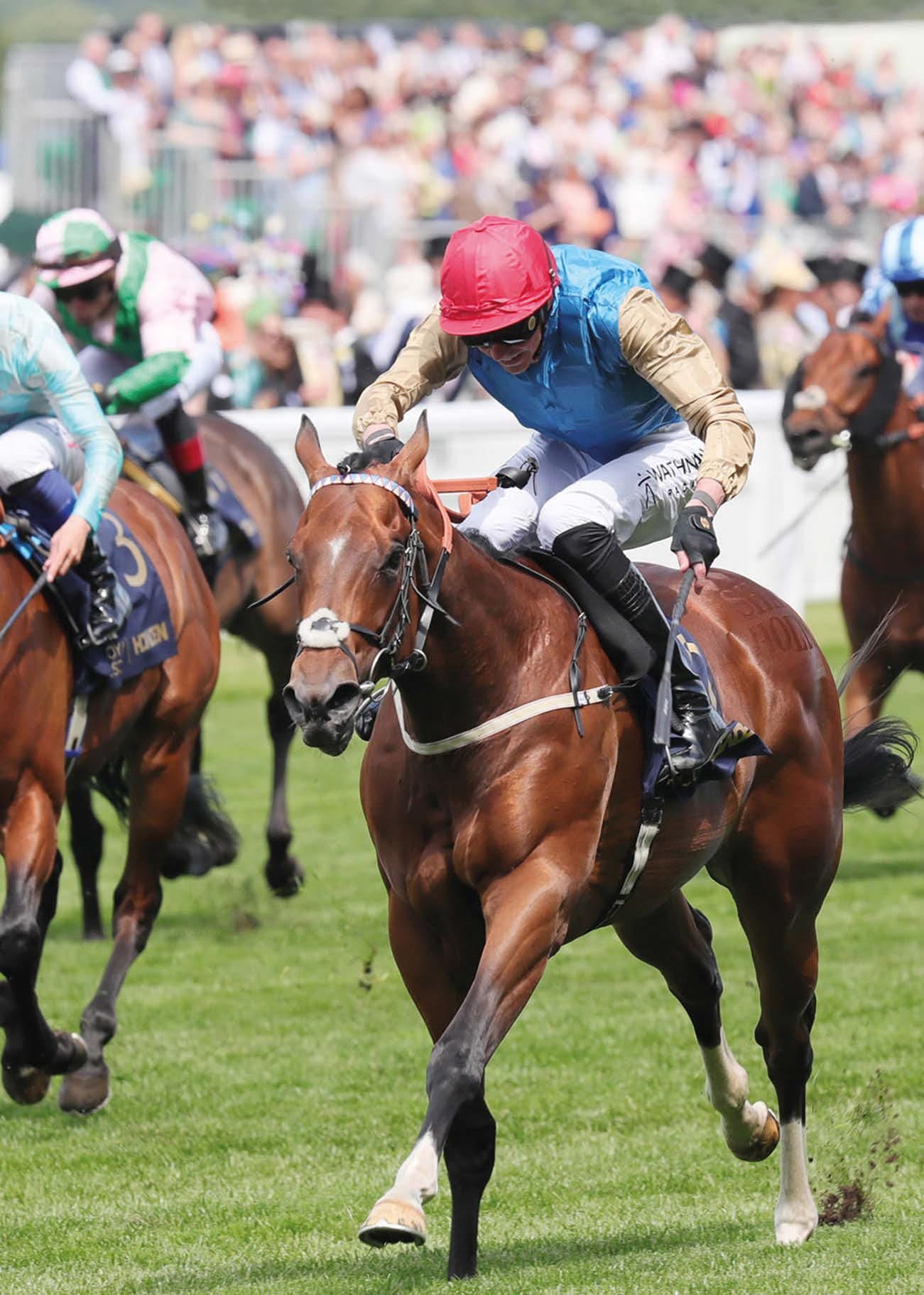
Thoroughbred horse racing, often called “The Sport of Kings,” is a captivating blend of athletic prowess, historical tradition, and high-stakes excitement. It’s a sport with a lineage stretching back centuries, deeply intertwined with the history of horsemanship and human ambition. At its heart lies the Thoroughbred, a breed meticulously developed for speed, agility, and an indomitable spirit. These magnificent creatures are the stars of the show, their every gallop a testament to their noble ancestry and rigorous training.
The Genesis of the Thoroughbred: A Legacy of Speed
The story of the Thoroughbred is a tale of selective breeding that began in England during the 17th and 18th centuries. Descended from Arabian, Turkish, and Barbary horses imported into the country, the breed’s foundation is often traced back to three legendary stallions: the Byerley Turk, the Darley Arabian, and the Godolphin Arabian. These foundational sires, through careful and consistent breeding, produced offspring with unparalleled speed and stamina, setting the stage for the modern Thoroughbred. This dedication to pure bloodlines ensured that “thoroughbred” became synonymous with a horse of exceptional quality and racing potential. The breed’s influence spread globally, becoming the cornerstone of racing in countries like the United States, Australia, and Japan.
The Culture and Spectacle of the Racecourse
Horse racing is more than just a competition; it’s a cultural phenomenon steeped in tradition and pageantry. From the elegant attire at Royal Ascot to the vibrant atmosphere of the Kentucky Derby, the racecourse is a place where sport, fashion, and social interaction converge. The relationship between jockey and horse is a crucial element, a partnership built on trust and communication honed through countless hours of training. For spectators, the thrill of watching these powerful animals thunder down the track, the strategic wagers, and the electric atmosphere create an unforgettable experience. The sport has evolved from a diversion for the aristocracy to a massive public entertainment business, captivating audiences worldwide.
Icons of the Turf: Legendary Thoroughbreds and Their Races
Throughout history, certain Thoroughbreds have transcended the sport to become household names, their legendary performances etched into racing lore. Horses like Man o’ War, Secretariat, and Seabiscuit are more than just race winners; they are cultural icons who have inspired generations. Secretariat, nicknamed “Big Red,” is celebrated for his record-shattering Triple Crown victories in 1973, with his Belmont Stakes win by 31 lengths still considered one of the greatest races ever run. Man o’ War, dominating in 1919 and 1920, not only captivated the public but also became a cornerstone of American breeding, his influence continuing through his descendants. These equine athletes, through their speed and spirit, have not only achieved racing greatness but have also left an indelible mark on the history of the sport.
Navigating Challenges: The Evolving Landscape of Horse Racing
Despite its rich history and allure, Thoroughbred racing faces contemporary challenges that test its adaptability and ethical standing. Concerns surrounding animal welfare are paramount, with debates focusing on issues such as injury rates, the use of medication, and the fate of horses after their racing careers. The industry is increasingly scrutinized for its practices, prompting a greater emphasis on transparency and the implementation of stricter welfare standards. The Horseracing Integrity and Safety Act (HISA) in the US, for example, aims to enhance safety and combat doping, reflecting a broader movement towards prioritizing the well-being of racehorses.
Furthermore, the sport must contend with evolving public perceptions and the need to remain relevant in a competitive entertainment landscape. Attracting new audiences and ensuring the sport’s economic viability are ongoing concerns. Innovations in technology, from advanced training tools and genetic testing to sophisticated tracking systems, are being embraced to enhance performance, monitor welfare, and engage fans in new ways. The future of Thoroughbred racing hinges on its ability to balance its storied traditions with a forward-looking approach that prioritizes ethical practices, animal welfare, and sustainable growth.
The Future Horizon: Innovation and Responsibility
The Thoroughbred racing industry stands at a crossroads, poised for a future shaped by innovation, ethical considerations, and a renewed commitment to its equine athletes. Technology continues to revolutionize training, breeding, and race monitoring, offering precise data for performance enhancement and injury prevention. Artificial intelligence and machine learning are paving the way for more sophisticated simulations and predictive analytics, aiding trainers and owners in making more informed decisions.
Beyond technological advancements, there’s a growing emphasis on responsible ownership and aftercare programs. Organizations dedicated to retraining and rehoming retired racehorses are playing a vital role in ensuring these magnificent animals have fulfilling lives beyond the track. The integration of these welfare-focused initiatives, coupled with a commitment to transparency and ethical conduct, will be crucial in shaping a sustainable and respected future for Thoroughbred horse racing. The sport’s enduring appeal lies in its ability to blend raw athletic power with a deep respect for the horse, a balance that will continue to define its legacy for generations to come.
