
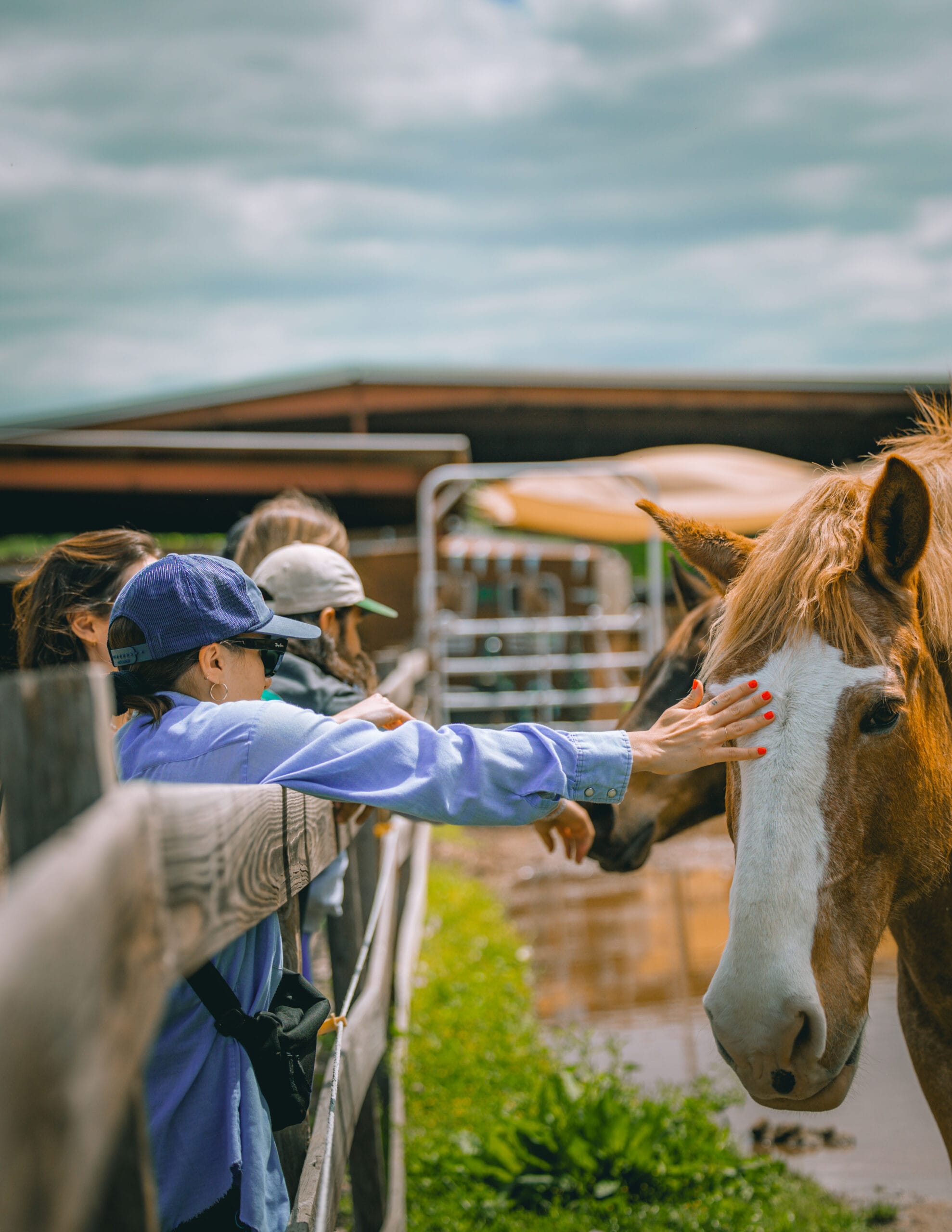
Therapy Horse Training is a specialized field focused on developing horses capable of providing therapeutic benefits to humans. This unique form of training goes beyond basic obedience, nurturing a horse’s temperament, confidence, and responsiveness to create a safe and effective partner for individuals facing physical, emotional, or cognitive challenges. The goal is to cultivate a horse that not only performs tasks but also offers comfort, connection, and a source of healing.
The journey of therapy horse training is deeply rewarding, blending the art of horsemanship with the science of therapeutic intervention. It requires patience, understanding, and a profound respect for the equine partner.
Understanding the Role of a Therapy Horse
Therapy horses are not just gentle giants; they are intuitive and responsive partners in the healing process. They can help individuals build confidence, improve motor skills, reduce anxiety, and foster a sense of calm and connection. Their presence alone can be therapeutic, offering a non-judgmental and grounding experience.
Key Qualities of a Therapy Horse
- Temperament: A calm, patient, and unflappable disposition is paramount. Therapy horses must remain composed in various environments, around unfamiliar people, equipment, and sudden noises.
- Trainability: They need to be responsive to cues and willing to learn, adapting to the specific needs of therapy sessions.
- Confidence: A confident horse is less likely to be spooked, ensuring safety for both the horse and the human participant.
- Sociability: They must be comfortable interacting with diverse groups of people, including children, the elderly, and individuals with disabilities.
The Foundation: Basic Training and Socialization
Before specializing in therapy work, a horse must have a solid foundation in basic training and extensive socialization. This includes:
Groundwork and Handling
- Lead training: The horse should walk calmly on a lead rope, responding to gentle pressure.
- Grooming and tacking: They must tolerate thorough grooming, bathing, and the application of tack without distress.
- Handling sensitive areas: Familiarity with being touched on sensitive areas like ears, muzzle, and legs is crucial.
Desensitization and Exposure
- Environmental exposure: Introducing the horse to various sounds (e.g., wheelchairs, loud noises, applause), sights (e.g., costumes, balloons, medical equipment), and surfaces (e.g., different flooring, ramps) is vital.
- Human interaction: Gradual and positive exposure to different types of people, including those with unusual movements or voices, helps build comfort.
- Equipment familiarity: Introducing them to objects they might encounter in a therapy setting, such as blankets, balls, or therapy tools.
Specialized Training for Therapeutic Applications
Once a horse demonstrates the foundational qualities, specialized training begins, focusing on the unique demands of therapy work.
Building Trust and Responsiveness
- Positive reinforcement: Using methods like clicker training and reward-based systems to encourage desired behaviors and strengthen the bond between horse and handler.
- Gentle cueing: Teaching the horse to respond to subtle cues, both verbal and non-verbal, ensuring clear communication.
- Building confidence: Creating positive experiences in new situations to reinforce the horse’s confidence and willingness to engage.
Adapting to Therapy Settings
- Working with different handlers: Training the horse to work comfortably with various therapists or handlers, not just their primary trainer.
- Calmness around clients: Practicing calm behavior and responsiveness even when clients may exhibit unpredictable movements or sounds.
- Specific therapeutic tasks: Depending on the program, this might involve tasks like allowing a client to lean on them, accept gentle petting, or participate in simple activities.
Considerations for Equine-Assisted Therapy Programs
Developing successful therapy horse programs involves more than just training individual horses. It requires careful planning and management.
Horse Selection
The selection process is critical. It’s often easier to train a horse with the right innate temperament than to retrain one with significant behavioral issues. Experienced trainers often look for horses with a naturally curious yet calm demeanor.
Training Support for Horse Joints
As horses are athletes, especially those engaged in training support for horse joints, their physical well-being is paramount. Therapies and training methods should always consider the long-term health of the horse’s joints. This includes appropriate conditioning, nutrition, and avoiding overexertion.
The Human Element: Trainers and Handlers
Race horse trainers, while experienced in equine management, often need specialized knowledge for therapy horse training. The handlers and trainers must possess empathy, patience, and excellent observational skills to understand both the horse’s and the client’s needs.
Ongoing Care and Evaluation
Therapy horse training is not a one-time event. It’s an ongoing commitment to the horse’s well-being and development.
Regular Health Checks
Consistent veterinary care, including dental and hoof care, is essential to ensure the horse remains physically sound and comfortable.
Continued Training and Enrichment
- Refresher training: Periodically revisiting basic obedience and desensitization exercises.
- Mental stimulation: Providing environmental enrichment and varied experiences to keep the horse engaged and prevent boredom.
- Performance evaluation: Regularly assessing the horse’s suitability for therapy work, ensuring they remain comfortable and effective in their role.
Understanding the “Why” Behind Behaviors
Just as with understanding horse trainer resume examples, it’s crucial to understand the ‘why’ behind a horse’s actions. Is a hesitation due to fear, confusion, or discomfort? This understanding guides further training and ensures the horse’s welfare.
The Human-Horse Connection in Therapy
The magic of therapy horse training lies in the profound connection it fosters. It’s about building a partnership where the horse becomes a catalyst for healing, offering a unique pathway to improved well-being for those in need. The dedication involved in cyberknife horse trainer programs, though different, also highlights the specialized skills and dedication required in equine professions.
The success of a therapy horse is a testament to the careful training, dedicated handlers, and the incredible capacity of horses to connect with and support humans. This intricate dance of trust and understanding is what makes therapy horse training such a vital and inspiring field.
