
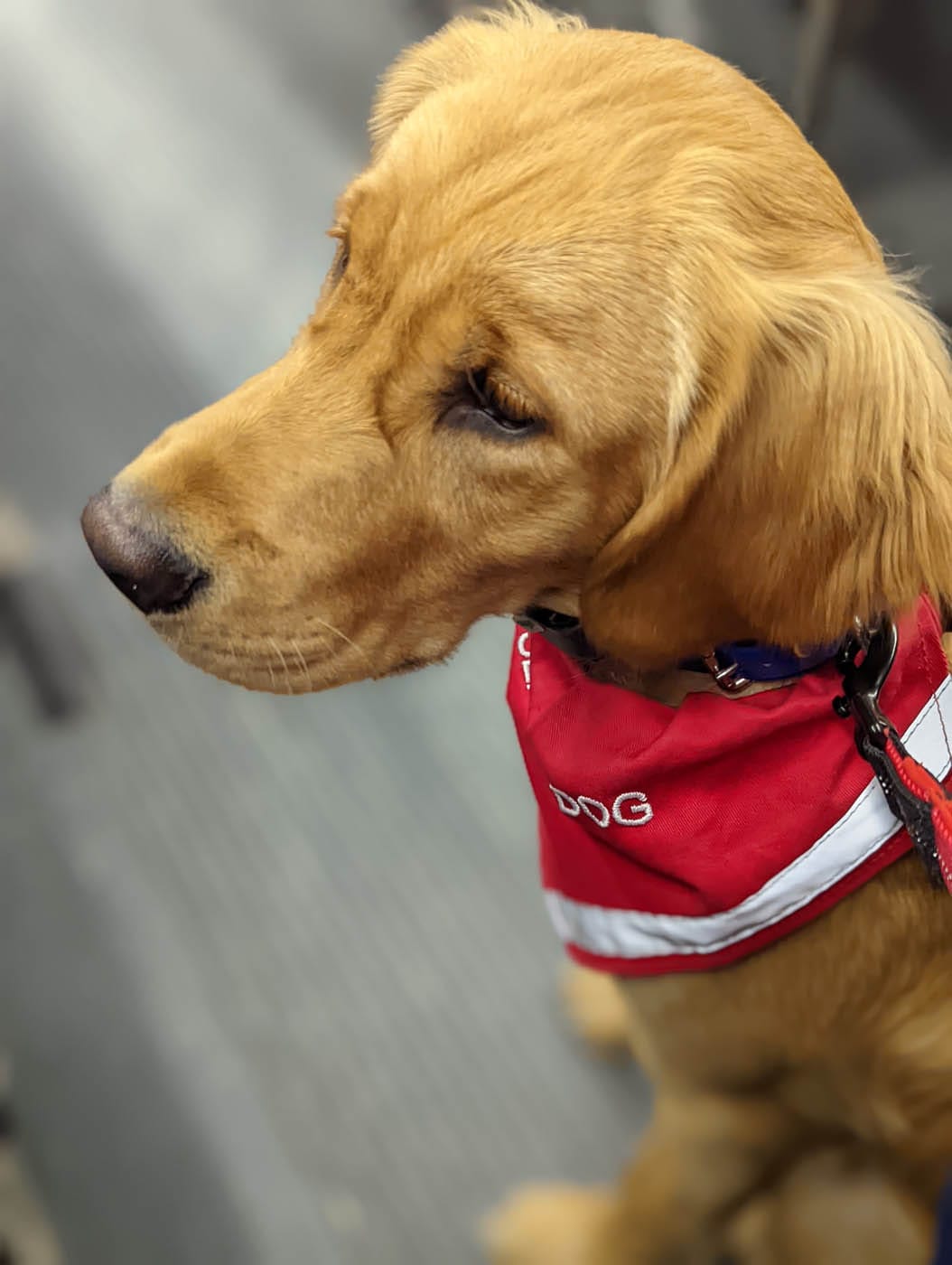
Therapy dog training in Wilmington, NC, offers a rewarding path for both dogs and their handlers, bringing comfort and joy to those in need. Whether you’re looking to certify your own dog or find a local program, understanding the process is key. This guide delves into what therapy dog training entails in the Wilmington area, covering essential aspects from requirements and benefits to finding the right program for you and your canine companion.
Understanding Therapy Dog Roles and Responsibilities
Therapy dogs are special animals trained to provide comfort, affection, and support to people in various settings, such as hospitals, nursing homes, schools, and disaster areas. Unlike service dogs, which are trained to perform specific tasks for individuals with disabilities, therapy dogs offer emotional support through their calm presence and gentle nature.
The core function of a therapy dog is to provide a non-judgmental source of comfort and companionship. This can involve simply sitting with someone, allowing them to pet the dog, or participating in structured activities designed to improve a person’s emotional or physical well-being. The training focuses on ensuring the dog is well-behaved, adaptable to new environments, and comfortable interacting with a wide range of people and situations.
For a dog to be an effective therapy animal, it must possess a stable temperament, be socialized extensively, and respond reliably to commands. Training emphasizes desensitization to unusual sights, sounds, and smells, as well as the ability to remain calm under stress. Handlers also receive training to understand their dog’s behavior, manage interactions effectively, and ensure the safety and well-being of both their dog and the people they visit.
Requirements for Therapy Dog Training in Wilmington, NC
Embarking on therapy dog training in Wilmington, NC, involves meeting certain criteria for both the dog and the handler. These requirements are established by certifying organizations to ensure the safety and efficacy of therapy dog teams.
Dog-Specific Requirements:
- Age: Most organizations require dogs to be at least one year old. This ensures the dog has reached emotional maturity and has had sufficient time for socialization and basic obedience training.
- Health: Dogs must be in good health, up-to-date on vaccinations, and free from parasites. A veterinarian’s certificate is often required to confirm this.
- Temperament: A calm, friendly, and confident temperament is crucial. Therapy dogs must be well-socialized and comfortable around strangers, other animals, and in various environments. They should not exhibit aggression, fearfulness, or excessive reactivity.
- Basic Obedience: Dogs should have mastered basic obedience commands such as sit, stay, come, down, and leave it. They need to walk politely on a leash without pulling and be able to respond reliably to their handler.
Handler-Specific Requirements:
- Age: Handlers typically must be 18 years of age or older, although some organizations may allow younger handlers with adult supervision.
- Training: Handlers must demonstrate an understanding of their dog’s behavior and how to manage them appropriately. They will learn about the responsibilities of a therapy dog handler, including communication with facility staff and appropriate interaction protocols.
- Commitment: Handlers must be committed to regular visits and ongoing training for their dog. This includes adhering to the policies of the facilities they visit and the certifying organization.
It’s important to research specific organizations in the Wilmington area, as their requirements may vary slightly. However, these general criteria form the foundation for successful therapy dog training.
Finding Therapy Dog Training Programs in Wilmington, NC
Wilmington, NC, offers several avenues for therapy dog training, catering to different needs and experience levels. Choosing the right program is vital for a successful partnership.
Local Training Facilities and Obedience Schools:
Many reputable dog trainers and obedience schools in Wilmington offer specialized therapy dog preparation classes. These classes often focus on advanced obedience, socialization, and simulating scenarios commonly encountered during therapy visits. Look for trainers with experience in therapy dog work.
Some facilities might partner with or recommend specific certifying organizations. They can provide valuable guidance on which programs align best with your dog’s temperament and your goals.
National Therapy Dog Organizations:
While training often happens locally, certification is usually through national organizations. Some prominent ones include:
- Pet Partners: This organization has a comprehensive handler-dog team evaluation process and is widely recognized. They offer resources and support for local training efforts.
- Therapy Dogs International (TDI): TDI is another well-respected organization that provides registration and insurance for therapy dog teams. They also have a thorough evaluation process.
- Alliance of Therapy Dogs (ATD): ATD emphasizes the human-animal bond and offers a structured approach to registration and testing.
When selecting a program or organization, consider:
- Training Philosophy: Does it align with your approach to dog training?
- Certification Process: Is it clear, comprehensive, and recognized?
- Support: Does the organization offer ongoing support and resources?
- Cost: Understand the fees associated with classes, evaluations, and registration.
Investigate programs in Wilmington by searching online, asking local veterinarians or groomers for recommendations, and checking the websites of national organizations for affiliated local trainers or evaluation sites.
The Training Process: Skills and Behaviors
Therapy dog training focuses on developing specific skills and behaviors that ensure a dog is safe, effective, and a joy to have in therapeutic settings. The process goes beyond basic obedience, emphasizing temperament and adaptability.
Advanced Obedience and Socialization:
- Reliable Recall: The dog must come when called, even with distractions.
- Solid Stays: Extended stays in various positions (sit, down) are essential for managing the dog in different environments.
- Loose-Leash Walking: The dog must walk calmly beside the handler without pulling, even in crowded or stimulating situations.
- Greeting Manners: Dogs learn to greet people politely without jumping or excessive excitement.
- Desensitization: Training involves exposing the dog to a wide range of stimuli they might encounter, such as wheelchairs, crutches, loud noises, medical equipment, and different types of people (children, elderly, those with mobility aids). The goal is for the dog to remain calm and unfazed.
Temperament and Behavior:
- Calm Demeanor: The dog must exhibit a generally calm and relaxed attitude, even in unfamiliar or potentially stressful situations.
- Affectionate and Gentle: Therapy dogs should enjoy human interaction and be able to offer gentle affection. They should be comfortable being petted, sometimes by unfamiliar individuals.
- Non-Reactive: Dogs are trained to ignore distractions, such as dropped food, other animals, or sudden movements, and not show fear or aggression.
- Adaptability: The ability to adjust to different environments, such as busy hospital hallways or quiet schoolrooms, is critical.
Handler-Dog Teamwork:
A significant part of the training focuses on the handler’s ability to read their dog’s body language, manage their dog effectively, and advocate for their dog’s needs. The handler must be able to anticipate potential issues and intervene proactively to ensure a positive experience for everyone. This includes knowing when their dog has had enough and needs a break.
Benefits of Therapy Dog Training and Visits
The impact of therapy dog training and subsequent visits extends far beyond the dog and handler, benefiting individuals, communities, and even the dogs themselves.
For Individuals Receiving Visits:
- Emotional Support: Therapy dogs provide unconditional love and companionship, reducing feelings of loneliness and isolation. For patients in hospitals or residents in nursing homes, a visit can be the highlight of their day.
- Stress and Anxiety Reduction: Interacting with a therapy dog has been shown to lower blood pressure, reduce heart rate, and decrease levels of stress hormones like cortisol. The simple act of petting a dog can be incredibly calming.
- Improved Mood: The presence of a therapy dog can lift spirits, increase social interaction, and promote feelings of happiness and well-being.
- Motivation for Rehabilitation: In physical or occupational therapy settings, a therapy dog can motivate patients to participate more actively in exercises, helping them to regain motor skills or cognitive function.
For Handlers:
- Sense of Purpose: Being part of a therapy dog team provides handlers with a profound sense of purpose and fulfillment, knowing they are making a positive difference in others’ lives.
- Stronger Bond with Dog: The intensive training and shared experiences strengthen the bond between handler and dog, fostering deeper trust and understanding.
- Community Involvement: It offers an opportunity to connect with the community and meet new people who share a passion for animals and helping others.
For the Dogs:
- Enrichment and Stimulation: Well-chosen and well-trained dogs often thrive in therapy roles, enjoying the social interaction and positive attention they receive.
- Purposeful Activity: For some dogs, the structured visits provide a sense of purpose and engagement that is highly rewarding.
The commitment to therapy dog training in Wilmington, NC, unlocks these numerous benefits, creating a ripple effect of positivity.
Frequently Asked Questions about Therapy Dog Training in Wilmington, NC
Q1: What is the difference between a therapy dog and a service dog?
A therapy dog provides emotional support and comfort to others in various settings, while a service dog is specifically trained to perform tasks for an individual with a disability.
Q2: How long does therapy dog training typically take in Wilmington?
The duration varies depending on the dog’s prior training and temperament, but formal preparation classes often range from several weeks to a few months, followed by evaluation and certification.
Q3: Can any dog become a therapy dog?
While many breeds can be therapy dogs, the most critical factors are the dog’s individual temperament—being calm, friendly, and adaptable—and consistent training. Not all dogs are suited for this work.
Q4: Do I need to be certified by a specific organization in Wilmington?
Yes, most healthcare facilities and institutions require therapy dogs and their handlers to be registered and insured through a recognized national therapy dog organization.
Q5: How often do therapy dog teams need to visit?
Commitment varies by organization and facility. Many require a minimum number of visits per month, but the frequency is often flexible based on the handler’s availability and the facility’s needs.
Conclusion: Pawsitive Impact Through Dedicated Training
Therapy dog training in Wilmington, NC, offers a structured and rewarding pathway to share the unique gift of canine companionship with those who need it most. By understanding the requirements, choosing the right training program, and committing to the process, handlers and their dogs can become invaluable therapeutic teams. The journey enriches the lives of the dogs, their handlers, and the countless individuals they bring comfort and joy to, underscoring the profound and positive impact of well-trained therapy dogs.
