
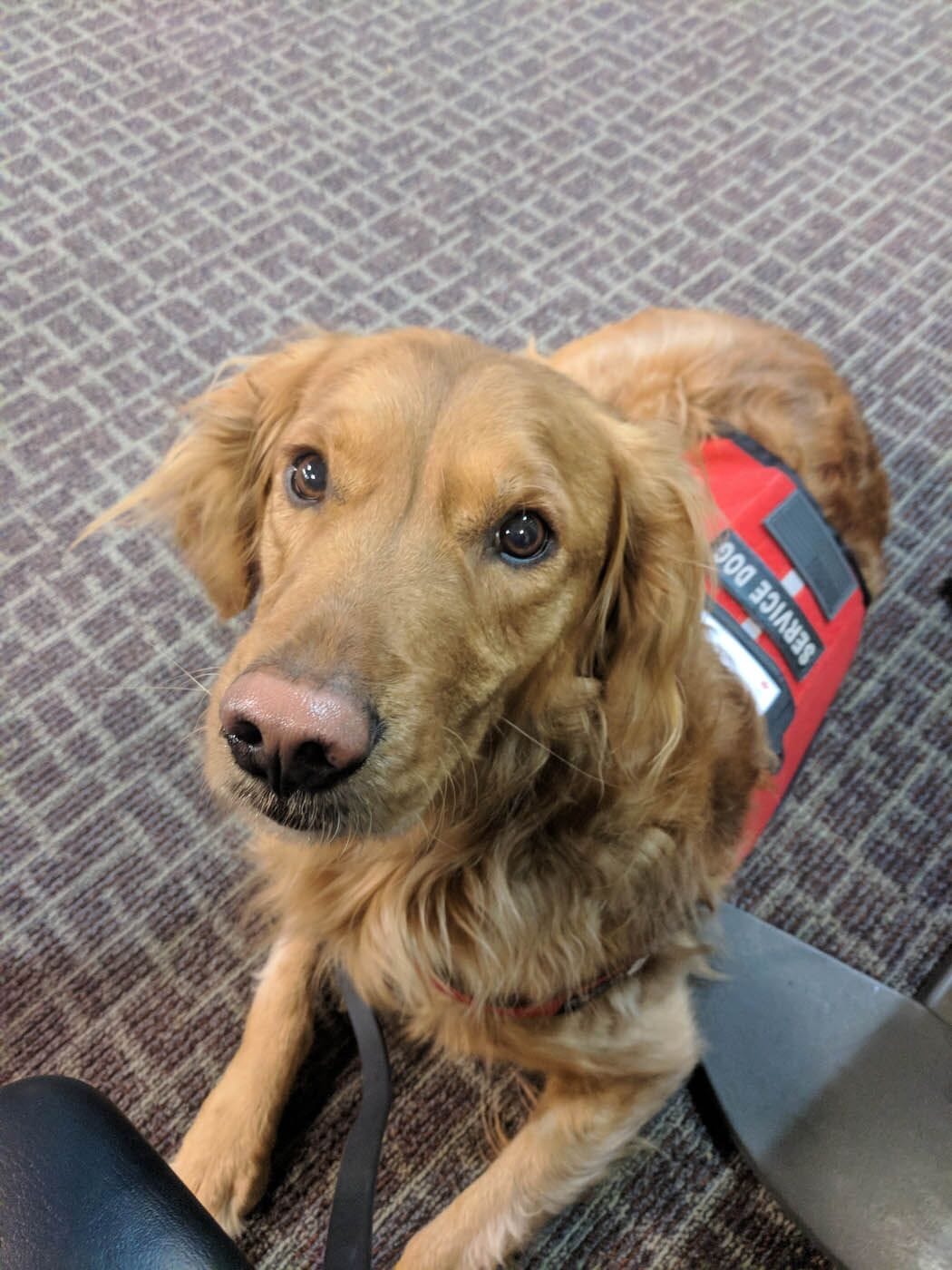
Have you ever looked at your dog and thought, “You bring so much comfort to me, I wish I could share it with others”? That calm presence, the gentle nudge of their head, the unconditional affection—it’s a powerful gift. In Omaha, there’s a growing need for that unique comfort in hospitals, nursing homes, and schools. If you believe your canine companion has what it takes, engaging in specialized Therapy Dog Training Omaha Ne is the first step toward transforming that potential into a certified, community-changing reality.
This journey is about more than just obedience; it’s about preparing your dog to be a calm, reassuring presence in unfamiliar and often stressful environments. It all starts with understanding the core principles behind training a therapy dog, a process that strengthens your bond while preparing you both for volunteer work.
What Exactly is a Therapy Dog?
Before diving into training, it’s crucial to understand the specific role of a therapy dog. They are not service dogs or emotional support animals, and the distinction is vital. A therapy dog’s job is to provide psychological and physiological comfort to individuals other than their handler. They volunteer with their owners in settings like hospitals, retirement homes, schools, and disaster relief areas to offer affection and reduce stress.
- Therapy Dogs: Trained to interact with many people and provide comfort. They do not have public access rights under the Americans with Disabilities Act (ADA) but are invited into facilities.
- Service Dogs: Specifically trained to perform tasks for a person with a disability. They are legally allowed in all public areas.
- Emotional Support Animals (ESAs): Provide therapeutic benefit to their owner with a mental or emotional disability. They do not require specific training and do not have the same public access rights as service dogs.
Our focus is on the therapy dog—the furry volunteer ready to share love with the Omaha community.
Key Traits of a Successful Therapy Dog Candidate
Not every dog is cut out for therapy work, and that’s perfectly okay. The ideal candidate possesses a specific temperament that can’t always be taught. It’s an innate calmness and a genuine love for people. Before you invest in therapy dog training Omaha NE, see if your dog naturally exhibits these characteristics.
A great candidate is:
- Inherently Calm: They remain relaxed in new environments and are not easily startled by sudden noises, unfamiliar smells, or strange equipment like wheelchairs and walkers.
- Genuinely Sociable: They actively enjoy meeting new people of all ages and dispositions. They should solicit, not just tolerate, affection from strangers.
- Gentle and Patient: They take treats softly, are not prone to jumping, and can handle clumsy petting from children or the elderly.
- Reliably Obedient: They have a solid foundation in basic commands like “sit,” “stay,” “down,” and “leave it,” even with distractions.
- Confident, Not Dominant: A therapy dog should be self-assured but not pushy or overly assertive. They are comfortable being the center of attention without demanding it.
If this sounds like your dog, you have a wonderful foundation to build upon.
Finding the Best Therapy Dog Training in Omaha NE
Once you’ve determined your dog is a good fit, the next step is finding a training program that will set you both up for success. The goal isn’t just to pass a test; it’s to prepare your dog for real-world scenarios. Many of the necessary foundational skills are honed in general dog training classes omaha ne, which serve as an excellent starting point.
What to Look for in a Training Program
When searching for therapy dog training Omaha NE, look for programs that emphasize more than just basic obedience. A quality program will include:
- Positive Reinforcement Methods: Training should be an enjoyable and confidence-building experience. Look for trainers who use rewards-based techniques to encourage desired behaviors.
- Real-World Simulation: The training facility should expose dogs to common therapy settings. This includes practice with wheelchairs, crutches, unfamiliar noises, and interactions with people pretending to be patients.
- Canine Good Citizen (CGC) Preparation: Many therapy dog organizations require dogs to pass the AKC Canine Good Citizen test as a prerequisite. A good program will integrate CGC test items into their curriculum.
- Handler Education: You are half of the therapy team. The training should also teach you how to read your dog’s stress signals, advocate for their well-being, and navigate different facilities with confidence.
- Experienced Instructors: Seek out trainers who have specific experience in preparing teams for therapy dog evaluations and understand the requirements of national organizations.
According to Dr. Emily Carter, a respected animal behaviorist, “The most effective therapy dog training focuses on the deep connection between the handler and the dog. It’s about building a language of trust, so the handler can support their dog in any environment, ensuring every interaction is positive for both the dog and the person they’re visiting.”
The Path to Certification Explained
Becoming a certified therapy dog team is a multi-step process. While specifics may vary slightly between national certifying organizations like Pet Partners or Alliance of Therapy Dogs, the general path remains consistent. To truly grasp the full scope, it helps to understand how to get dog trained as a therapy dog from a national perspective, which local Omaha trainers will prepare you for.
- Build a Strong Foundation: Master basic obedience cues. Your dog should respond reliably to your commands, even with mild distractions. A solid “leave it” is non-negotiable for safety in environments with dropped pills or food.
- Advanced Socialization and Exposure: This is where specialized training comes in. The goal is to make unpredictable situations predictable for your dog. They learn that medical equipment isn’t scary, crowds are manageable, and different types of handling are okay.
- The Evaluation: Once you and your trainer feel your team is ready, you will undergo a formal evaluation. An observer will put you and your dog through a series of simulated exercises. They’ll watch how your dog reacts to strangers, loud noises, being handled by different people, and encountering other dogs. They are also evaluating you—the handler—to ensure you are in control and attentive to your dog’s needs.
- Registration and Volunteering: After passing the evaluation, you can register with a national therapy dog organization. They will provide insurance, a vest for your dog, and resources to find volunteering opportunities right here in Omaha.
The Benefits of Having a Certified Therapy Dog
Pursuing certification is an investment of time and effort, but the rewards are immeasurable. For the community, your therapy dog can lower blood pressure, reduce anxiety, and stimulate memory and conversation among seniors. For children, a therapy dog can be a non-judgmental reading partner, boosting literacy skills and confidence.
For you and your dog, the benefits are just as profound. The advanced training deepens your bond and communication. The volunteer work provides a shared sense of purpose and the joy of seeing your beloved pet make a real difference in someone’s day. This is why excellent therapy dog training omaha is not just about passing a test, but about building a strong, confident team.
Frequently Asked Questions (FAQ)
How long does therapy dog training take?
The timeline varies greatly depending on your dog’s age, temperament, and previous training. A dog with a solid obedience foundation might be ready for evaluation after a few months of specialized classes, while a younger puppy may need a year or more to mature and master the necessary skills.
What is the cost of therapy dog certification in Omaha?
Costs can be broken down into a few parts: training classes, the evaluation fee, and registration with a national organization. Group training classes in the Omaha area can range from $150 to $300 for a multi-week course. Evaluation and registration fees typically range from $50 to $150 combined.
Can any dog breed become a therapy dog?
Yes, any breed can be a therapy dog. Temperament, not breed, is the deciding factor. From Chihuahuas to Great Danes, any dog that is calm, gentle, and loves people can be a successful candidate.
What is the main difference between a therapy dog and a service dog?
A therapy dog’s job is to provide comfort to many people with their owner’s guidance. A service dog is trained to perform specific tasks to help one individual with a disability and has legal rights to access public spaces.
Where can my therapy dog volunteer in the Omaha area?
Once certified, you can find opportunities at places like Omaha’s children’s hospitals, local nursing homes and assisted living facilities, universities during finals week to de-stress students, and in reading programs at public libraries.
Your Journey Starts Now
The decision to pursue therapy dog training Omaha NE is the start of a remarkable journey for you and your dog. It’s a commitment to sharing the incredible human-animal bond with those who need it most. By investing in proper training, you are ensuring that your dog is not just prepared, but truly happy and confident in its role as a furry ambassador of comfort. The process will challenge you both, but the moment you see the smile your dog brings to someone’s face, you’ll know every step was worth it.
