
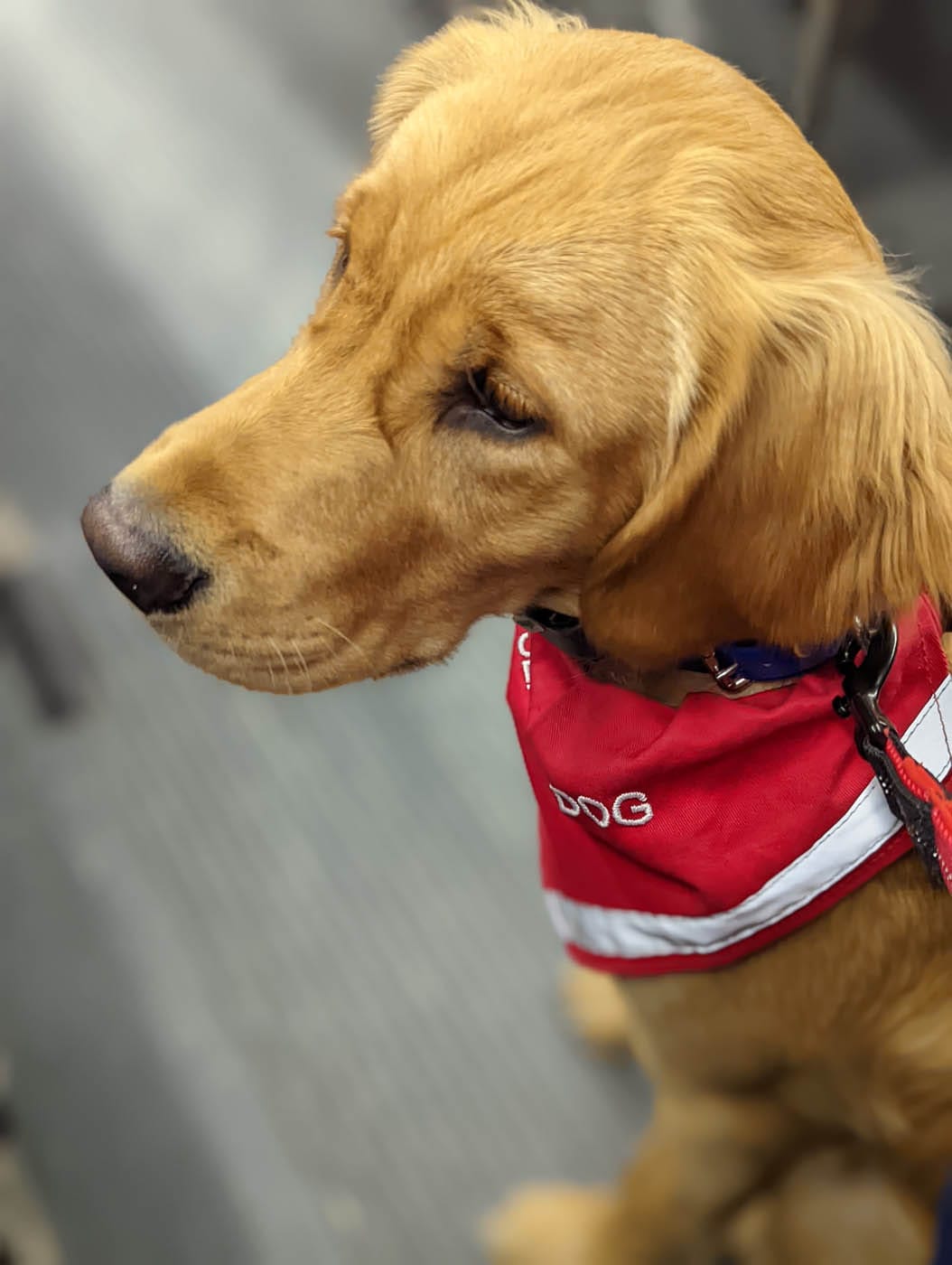
Embarking on the journey to train a therapy dog in North Carolina is a rewarding endeavor, offering profound benefits to both the dog and the people they serve. Therapy dogs provide comfort, joy, and emotional support in various settings, from hospitals and nursing homes to schools and disaster sites. If you’re considering this path, understanding the process, requirements, and resources available in NC is crucial. This guide will walk you through everything you need to know to prepare your canine companion for this special role.
Understanding Therapy Dogs: More Than Just a Pet
Before diving into the specifics of training, it’s essential to differentiate therapy dogs from service dogs and emotional support animals. While all offer unique forms of assistance, their training, legal protections, and roles differ significantly.
Therapy Dogs vs. Service Dogs vs. Emotional Support Animals
- Therapy Dogs: These dogs are trained to provide comfort and affection to people in settings like hospitals, schools, and nursing homes. They do not have the same legal protections as service dogs and are generally not allowed in places where pets are prohibited. Their primary purpose is to offer emotional support through gentle interaction.
- Service Dogs: These dogs are specifically trained to perform tasks for individuals with disabilities. They have specific legal protections under the Americans with Disabilities Act (ADA) and can accompany their handlers in most public places. Examples include guide dogs for the visually impaired or seizure alert dogs.
- Emotional Support Animals (ESAs): ESAs provide comfort to individuals with a mental or emotional disability simply by being present. They do not require specialized training to perform tasks. While they have some housing protections under the Fair Housing Act, they do not have public access rights like service dogs.
The Essential Qualities of a Therapy Dog
Not every dog is suited for therapy work. Successful therapy dogs possess a specific temperament and disposition that allows them to remain calm, confident, and adaptable in diverse and sometimes stressful environments.
Temperament and Socialization
The ideal therapy dog is naturally friendly, gentle, and enjoys interacting with strangers of all ages. They should be unfazed by loud noises, sudden movements, and unfamiliar equipment. Early and consistent socialization is key to building this confidence. Exposing puppies and dogs to a wide variety of people, places, sounds, and experiences from a young age helps them develop into well-adjusted adults.
Health and Well-being
A therapy dog must be in good health, up-to-date on vaccinations, and free from any parasites. Reputable therapy dog organizations will require a veterinarian’s clearance before certifying a dog. Regular health check-ups are vital to ensure your dog remains fit for their duties.
Therapy Dog Training in North Carolina: A Step-by-Step Approach
The training process for a therapy dog involves mastering basic obedience and then progressing to specialized skills that prepare them for public access and interaction.
1. Foundational Obedience Training
A strong foundation in basic obedience is non-negotiable. This includes commands such as:
- Sit: The dog sits when asked.
- Stay: The dog remains in a set position until released.
- Down: The dog lies down when asked.
- Come: The dog reliably returns when called.
- Leave It: The dog ignores dropped items or distractions.
- Loose-Leash Walking: The dog walks calmly beside the handler without pulling.
Obedience classes, such as those offered by many local training facilities and community centers in North Carolina, are an excellent place to start. Many trainers specialize in preparing dogs for therapy work.
2. Advanced Skills and Socialization for Therapy Work
Once basic obedience is solid, training should focus on skills specific to therapy dog environments:
- Greeting people calmly: Approaching and interacting gently without jumping.
- Accepting petting: Allowing strangers to pet them in various ways, including from different angles.
- Comfortable with medical equipment: Being unfazed by wheelchairs, walkers, crutches, and other mobility aids.
- Ignoring distractions: Maintaining focus on the handler amidst unusual sights, sounds, and smells.
- Gentle interaction with different age groups: Being patient and calm with children, the elderly, and people with varying physical or cognitive abilities.
- Remaining calm in crowds: Not becoming anxious or overstimulated in busy settings.
- “Visit” command: The ability to calmly approach and stay with a person for a set period.
Consider enrolling in specialized therapy dog preparation classes if available locally. These classes often simulate real-world therapy scenarios, allowing dogs to practice their skills in a controlled environment.
Choosing a Therapy Dog Organization in North Carolina
Several reputable organizations in North Carolina and nationwide offer therapy dog certification. Each organization has its own set of requirements, testing procedures, and membership fees.
Leading Organizations and Their Requirements
- Alliance of Therapy Dogs (ATD): One of the largest and most well-known organizations. ATD requires dogs to pass a supervised test that evaluates their temperament and obedience in various situations. They emphasize the dog’s willingness to interact with people and their ability to remain calm.
- Pet Partners: This organization offers a comprehensive approach to therapy animal training and registration, covering not just dogs but also other animals. Their testing includes both basic obedience and simulated therapy interactions.
- Love on a Leash: Another national organization with a presence in North Carolina, Love on a Leash focuses on community-based therapy dog work. They have specific testing and registration requirements.
When selecting an organization, research their testing protocols, the types of facilities they partner with, and any ongoing requirements for handlers and dogs. Some facilities may have their own specific requirements or prefer dogs certified by certain organizations.
Finding Local Training and Certification Resources
North Carolina has a vibrant community of dog trainers and therapy dog handlers. Many local training schools offer programs specifically designed to prepare dogs for therapy work. These can be found through:
- Local Veterinarian Clinics: Veterinarians are often a great resource for recommendations on trainers and therapy dog organizations.
- Dog Training Facilities: Search online for dog trainers in your area that explicitly mention therapy dog training or preparation for certification.
- Online Search: Use terms like “Therapy Dog Training Nc,” “dog obedience classes North Carolina,” or “pet therapy certification North Carolina.”
For example, if you are in the Wilmington area, searching for “therapy dog training wilmington nc” can connect you with local resources. Similarly, for Raleigh, “therapy dog training raleigh nc” would be a relevant search.
The Handler’s Role: A Crucial Partnership
Therapy dog work is a team effort. The handler plays an equally important role as the dog in ensuring successful and safe visits.
Handler Responsibilities
- Advocacy: The handler must advocate for their dog, ensuring the dog is not overwhelmed or stressed during visits. This includes recognizing signs of fatigue or anxiety in the dog and knowing when to take a break or end a session.
- Supervision: The handler is always responsible for their dog’s behavior and well-being.
- Understanding the Environment: Familiarizing oneself with the specific needs and protocols of the facility being visited.
- Hygiene: Maintaining good hygiene practices, including hand washing before and after interactions.
Required Skills for Handlers
Handlers should possess patience, empathy, good communication skills, and a genuine love for working with both dogs and people. They need to be able to read their dog’s body language and understand when their dog is comfortable and when they need a break.
Navigating Specific Training Needs
Some specialized training needs might arise, particularly for dogs assisting individuals with specific challenges.
PTSD Service Dog Training
While therapy dogs offer general comfort, some organizations also offer training for service dogs that assist individuals with PTSD. These dogs perform specific tasks to help their handlers cope with symptoms. If you are interested in this specialized area, resources like “bodyholistic ptsd service dog training” might offer insights, though it’s important to distinguish between service dog training and therapy dog training. The duration and intensity of training differ significantly. For instance, understanding “how long are service dogs trained” can provide context on the commitment involved.
General Dog Training Resources
For broader training needs or if you’re just starting, resources like “dog training stevens point” can offer foundational knowledge applicable to all dog owners, including those aspiring to therapy dog work.
The Benefits of Therapy Dog Work
The impact of therapy dogs is far-reaching, creating positive experiences for everyone involved.
For Patients and Clients
- Reduced stress and anxiety: The calming presence of a dog can lower blood pressure and heart rate.
- Improved mood: Interaction with dogs releases endorphins, promoting feelings of happiness and well-being.
- Increased social interaction: Dogs can act as social catalysts, encouraging conversation and connection.
- Companionship: Providing a sense of connection and reducing feelings of loneliness.
For Dogs
- Enrichment: Therapy work provides mental stimulation and a sense of purpose.
- Socialization: Continued positive interactions with various people and environments.
- Bonding: Strengthening the bond between the dog and handler through shared experiences.
For Handlers
- Fulfillment: The deep satisfaction of making a positive difference in others’ lives.
- Community: Connecting with other like-minded individuals and therapy dog teams.
- Personal Growth: Developing patience, empathy, and leadership skills.
Conclusion: Bringing Comfort Through Canine Companionship
Training a therapy dog in North Carolina is a commitment that requires dedication, patience, and a love for dogs. By focusing on foundational obedience, specialized skills, and choosing the right certification path, you and your canine companion can embark on a meaningful journey. The “Dog Care Story” is about celebrating the unique bond between humans and dogs, and therapy dog work is a beautiful testament to that connection. Whether you’re seeking local training or understanding the broader landscape of canine assistance, the resources and passion within the North Carolina community are ready to support your efforts in sharing the gift of comfort through your therapy dog.
