
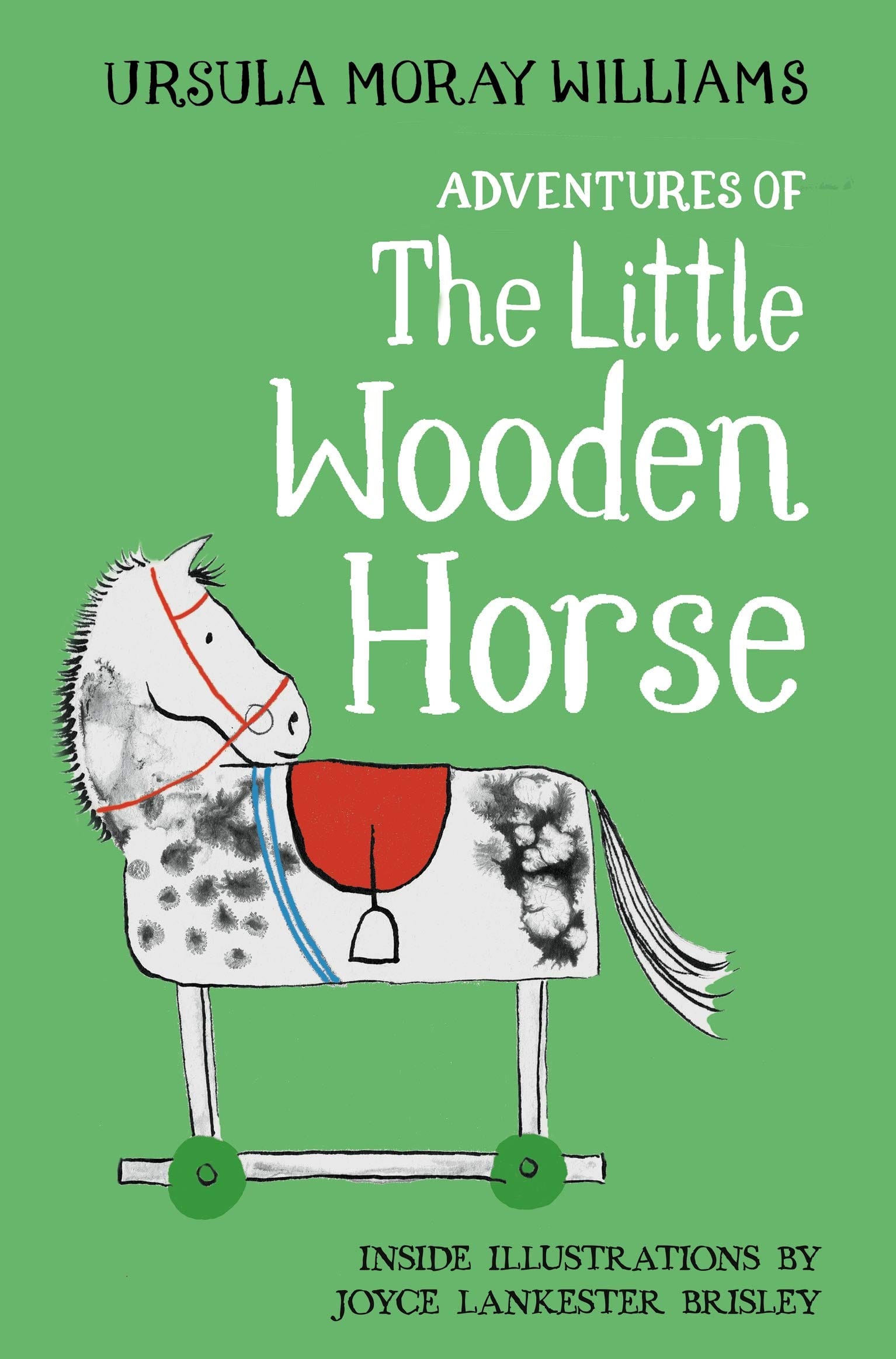
The world of children’s stories is vast and enchanting, filled with characters that capture young hearts and spark endless imagination. Among these beloved figures, the toy horse often gallops into the spotlight, representing adventure, companionship, and the magical bond between a child and their plaything. This is the story of the toy horse, a narrative woven through countless tales, embodying the spirit of childhood play and the enduring power of imagination. From classic literature to modern animated features, the toy horse has galloped its way into our collective consciousness, becoming a symbol of innocent joy and boundless possibility.
The Enduring Charm of the Toy Horse
What is it about a toy horse that captivates children so deeply? Perhaps it’s the inherent sense of freedom and adventure that horses represent. They are powerful, graceful creatures that have historically carried humans across vast distances, symbolizing exploration and courage. A toy horse, in a child’s hands, becomes a vessel for these same ideals. It can be a trusty steed for a daring knight, a loyal companion for a lonely explorer, or a magical creature from a faraway land. The simplicity of its form belies its potential for complex narratives, allowing children to project their own dreams and desires onto their plaything.
A Glimpse into Historical Significance
Toy horses have a long and rich history, dating back to ancient civilizations. Archaeological evidence suggests that rudimentary horse toys were crafted by children in ancient Egypt, Greece, and Rome. These early toys, often made from wood, clay, or bone, were not just playthings but also served as educational tools, introducing children to the importance of horses in their society. As craftsmanship evolved, so did the complexity and artistry of toy horses. From simple carved wooden figures to intricately detailed rocking horses, these toys have mirrored the societal and technological advancements of their time.
Iconic Toy Horses in Popular Culture
Several toy horses have achieved iconic status, etching themselves into the memories of generations. The rocking horse, in particular, has been a staple in nurseries for centuries. Its gentle, rhythmic motion can be incredibly soothing for infants, while for older children, it transforms into a magnificent steed ready for any adventure. Think of the classic image of a child astride a wooden horse, rocking back and forth, lost in a world of make-believe.
Beyond the rocking horse, other toy horses have galloped into our hearts through stories and films. These characters often possess unique personalities and embark on extraordinary journeys, becoming more than just toys; they become friends and confidantes. Their stories highlight themes of loyalty, bravery, and the magic that can be found in the simplest of objects when viewed through the lens of a child’s imagination.
The Role of Toy Horses in Child Development
Toy horses, like all well-chosen toys, play a significant role in a child’s development. They are not merely objects of amusement; they are tools that foster creativity, encourage physical activity, and promote emotional growth.
Fostering Imagination and Creativity
When a child plays with a toy horse, their imagination takes flight. They create narratives, invent characters, and build entire worlds around this single object. A toy horse can be a participant in a grand quest, a silent observer of a tea party, or a character in a dramatic rescue. This imaginative play is crucial for developing cognitive skills, problem-solving abilities, and creative thinking. Children learn to think outside the box, to experiment with ideas, and to express themselves in unique ways. The open-ended nature of a toy horse allows for infinite possibilities, encouraging children to become storytellers and creators of their own adventures.
Encouraging Physical Activity and Coordination
Whether it’s a rocking horse or a pull-along toy, many toy horses encourage physical movement. Riding a rocking horse helps develop balance and coordination, essential gross motor skills for young children. Pulling or pushing a toy horse also engages larger muscle groups, promoting active play. This physical engagement is vital for a child’s overall health and well-being, helping them to develop strength, coordination, and a healthy relationship with movement. In the context of play, children are often unaware of the developmental benefits they are gaining, as they are simply immersed in the fun of playing with their beloved toy horse.
Nurturing Emotional Intelligence and Empathy
Playing with toy horses can also help children develop emotional intelligence and empathy. Children often project emotions onto their toys, treating them as living beings. They may comfort a “sad” toy horse, scold a “naughty” one, or celebrate its “victories.” This process of anthropomorphism allows children to explore different emotions in a safe and controlled environment. It helps them understand concepts like care, responsibility, and the consequences of their actions. By imbuing their toy horse with a personality and feelings, children learn to consider the perspectives of others, laying the foundation for empathy and social understanding. The act of caring for a toy, even an inanimate one, can be a child’s first step towards understanding responsibility and nurturing relationships.
The “Toy Story” Connection: A Modern Icon
When we speak of toy horses in contemporary culture, it’s impossible to ignore the impact of the “Toy Story” franchise. The films have introduced beloved toy horse characters to a global audience, further cementing their place in the hearts of children and adults alike. These characters are not just playthings; they are integral members of a toy family, each with their own personality, fears, and dreams.
Jessie’s Loyal Companionship
Jessie, the spirited cowgirl doll, often rides her trusty toy horse, which has featured prominently in various “Toy Story” installments. While not always a central character, the horse embodies the adventurous spirit of Jessie and her fellow toys. It represents the wild west, the thrill of the ride, and the unwavering loyalty of a companion. The presence of the toy horse in Jessie’s storyline adds another layer to her character, reinforcing her cowgirl persona and her readiness for action. The visual of Jessie on her toy horse evokes classic Western imagery, blending seamlessly with the fantastical world of toys that come to life.
Exploring Other Toy Horse Narratives
Beyond Jessie’s companion, the “Toy Story” universe has showcased various toy horses, each contributing to the rich tapestry of the films. These include specific toy horses that may have appeared in brief moments or as part of a larger ensemble of toys. Such appearances, however brief, reinforce the idea that toy horses are ubiquitous in childhood, representing a fundamental aspect of play. Whether it’s a pull-string horse, a simple wooden figure, or a more elaborate model, each toy horse within the “Toy Story” narrative contributes to the overall theme of toys as beloved companions that hold deep meaning for their owners.
The “Toy Story” films, in their exploration of the lives of toys when humans aren’t around, highlight the emotional depth and personality that children, and by extension, creators, imbue into their playthings. The toy horses within these narratives are no exception, often serving as symbols of freedom, adventure, and the enduring bonds of friendship. They are silent witnesses to the children’s lives, and in the magical world of “Toy Story,” they are active participants in the adventures that unfold.
Caring for Your Toy Horse: Preserving the Magic
Just as children cherish their toy horses, proper care can ensure these beloved playthings last for generations. Whether it’s a vintage rocking horse or a modern collectible, understanding how to maintain it preserves not just the object, but the memories and magic it holds.
Cleaning and Maintenance
The best way to clean a toy horse depends on its material. Wooden horses, especially antique ones, may require gentle dusting with a soft, dry cloth. For more durable plastic or fabric toys, a slightly damp cloth can be used, but it’s crucial to avoid excessive moisture, which can damage the material or cause fading. For rocking horses with intricate mechanisms, regular checks to ensure all parts are securely fastened are important. Some may benefit from occasional lubrication of the rocking mechanism, following the manufacturer’s guidelines.
Restoration and Preservation
For cherished toy horses that have seen better days, restoration can bring them back to their former glory. This might involve repairing loose joints, repainting worn surfaces, or even re-stuffing fabric parts. Many skilled craftspeople specialize in toy restoration, capable of preserving the historical integrity of antique toys. If restoration isn’t an option, proper storage is key. Keeping toy horses in a climate-controlled environment, away from direct sunlight and excessive humidity, will help prevent deterioration. Displaying them carefully, perhaps on a stable shelf or in a protective case, can also prevent accidental damage.
Conclusion: The Timeless Appeal of the Toy Horse
The toy horse, in its myriad forms, continues to gallop through the landscape of childhood. It is more than just a toy; it is a catalyst for imagination, a partner in adventure, and a silent witness to the formative years of a child’s life. From the earliest carved figures to the iconic characters of modern storytelling, The Toy Horse Story is a testament to the enduring power of play and the magic that happens when a child’s imagination meets a simple, yet profound, object. Whether it’s a rocking horse in a nursery or a beloved character on screen, the toy horse embodies the spirit of childhood – a spirit of boundless energy, unwavering loyalty, and the endless joy of a story waiting to be told. The journey of the toy horse is a timeless one, forever galloping in the heart of every child’s adventure.
