
The gentle creak of wood, the smooth, worn paint beneath small hands, and the boundless plains of imagination—this is The Story Of A White Rocking Horse. For generations, this iconic plaything has been more than just a toy; it’s a silent storyteller, a keeper of childhood dreams, and a timeless symbol of innocence. Before the age of flashing screens and digital distractions, the simple, rhythmic motion of a rocking horse was enough to transport a child to heroic battles, sprawling ranches, and magical kingdoms. It represents a tangible piece of nostalgia, an heirloom that gallops through family histories, carrying the laughter and memories of the past into the present.
A Gallop Through History: The Origins of the Rocking Horse
The journey of the rocking horse begins long before the polished wooden steeds we recognize today. Its earliest ancestors were simple hobby horses—a horse’s head mounted on a stick—used in the Middle Ages. However, the classic rocking design, with its curved “bow” rockers, is believed to have emerged in the early 17th century in Europe. These early models were often crudely made, but they captured the essential joy of mimicking the motion of riding a real horse.
By the Victorian era, the rocking horse had transformed into a masterpiece of craftsmanship. Toymakers in England, Germany, and America began creating elaborate, beautifully carved horses. The “safety stand” design, developed in the 1880s, replaced the bow rockers with a stable frame, making the toy safer for vigorous play. It was during this period that the white rocking horse became particularly popular, its pristine color symbolizing purity and the cherished nature of childhood itself. These were not disposable toys but treasured pieces of nursery furniture, built to last and be passed down as family heirlooms.
What Makes the White Color So Significant?
The choice of white is not merely aesthetic; it’s deeply symbolic. Across cultures, the color white represents purity, innocence, and new beginnings—all concepts intrinsically linked to childhood. A white horse, in folklore and mythology, often signifies a hero’s steed or a magical creature. This connection elevates the toy from a simple plaything to a noble companion on a child’s imaginative quests. The pristine white coat makes it a blank canvas for a child’s stories, ready to become a knight’s charger, a princess’s gentle mare, or a cowboy’s trusted friend.
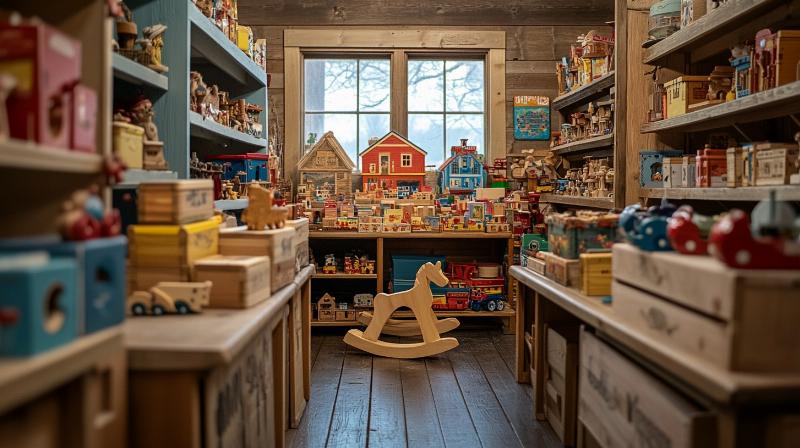 An elegant white rocking horse standing in a sunlit, vintage-style nursery, evoking a sense of nostalgia and timelessness.
The Symbolism in the Wood and Paint
Beyond its historical roots, the story of a white rocking horse is rich with symbolic meaning. It is a vessel for imagination, a steadfast friend that requires no batteries or updates, powered solely by a child’s boundless energy and creativity. This simplicity is its greatest strength in a world saturated with complex technology.
“A rocking horse is the first ride to freedom,” notes Dr. Eleanor Vance, a child development specialist. “It teaches rhythm, balance, and cause-and-effect. But more importantly, it gives a child a sense of control and agency. In their world, they are the rider, the hero, the adventurer. That’s an incredibly powerful developmental experience.”
Here are some of the core themes it represents:
- Innocence and Nostalgia: For adults, the image of a white rocking horse often triggers a deep sense of nostalgia for a simpler time. It’s a powerful symbol of the cherished, fleeting moments of childhood.
- Imagination and Freedom: The rhythmic rocking motion can be both soothing and stimulating, helping to unlock a child’s imagination. On their wooden steed, a child is free to explore any world they can conjure. This is a theme seen with many iconic equine figures, reminding us of the powerful bond between a rider and their horse, much like the famous horse in the never ending story.
- The Passage of Time: As a traditional heirloom, the rocking horse connects generations. The same toy can be enjoyed by a child, their children, and even their grandchildren, becoming a silent witness to the family’s history and growth.
From a Block of Wood to a Cherished Heirloom
The creation of a traditional wooden rocking horse is an art form, a testament to the beauty of skilled craftsmanship. It begins with selecting the right wood—often durable hardwoods like oak, maple, or beech—chosen for its strength and beautiful grain. The process is a labor of love, involving meticulous carving, sanding, and assembly.
How is a Wooden Rocking Horse Made?
The process typically follows these key stages:
- Design and Template: The craftsman starts with a design, creating templates for the body, head, legs, and rockers.
- Carving and Shaping: Each piece is carefully cut and then shaped. The head is often the most detailed part, requiring hours of intricate carving to give the horse its unique personality.
- Sanding: Every component is sanded multiple times, starting with coarse grits and moving to finer ones, until the surface is perfectly smooth to the touch, ensuring there are no splinters for little hands.
- Assembly: The parts are joined together using strong woodworking joints and adhesives, built to withstand years of enthusiastic rocking.
- Finishing: The horse is painted or stained. For a white rocking horse, several coats of non-toxic, child-safe paint are applied to create a durable and lustrous finish. Details like the eyes, mane, and tail (often made of leather or real horsehair) are added last.
This dedication to quality ensures that the rocking horse is not just a toy, but a functional piece of art that can endure for decades.
Why Does This Classic Toy Endure in the Digital Age?
In an era where digital entertainment often dominates playtime, the unwavering appeal of the rocking horse might seem surprising. Yet, its popularity persists precisely because it offers a different kind of play—one that is physical, imaginative, and screen-free. Unlike video games that guide a child through a pre-written narrative, the rocking horse provides a simple prompt, allowing the child to be the author of their own adventures. This freedom is crucial for developing creativity and problem-solving skills.
The rocking horse engages the body as well as the mind. It helps young children develop gross motor skills, improve balance, and strengthen their core muscles. This physical engagement provides a sensory experience that digital toys cannot replicate. The enduring charm of classic toys often lies in their simplicity and the imaginative worlds they unlock, a quality shared by other beloved toy horses, such as the loyal steed from Toy Story. Learning about the name of jessie’s horse in toy story reveals a similar theme of companionship and adventure.
Frequently Asked Questions (FAQ)
What does a white rocking horse symbolize?
A white rocking horse is a powerful symbol of childhood innocence, purity, and imagination. It also represents nostalgia for simpler times and, as a handcrafted item, stands for quality, tradition, and the connection between different generations of a family.
What is the best age for a child to use a rocking horse?
Most children can begin to enjoy a rocking horse with supervision around the age of 12 to 18 months, once they can sit up confidently and balance themselves. Larger models can be enjoyed by children up to 5 or 6 years old, depending on the size and durability of the toy.
How do I care for a wooden rocking horse?
To care for a wooden rocking horse, dust it regularly with a soft, dry cloth. For cleaning, use a slightly damp cloth with a mild soap solution and dry it immediately. Avoid using harsh chemical cleaners, and keep it away from direct sunlight or extreme humidity to prevent the wood from warping or the paint from fading.
Are vintage rocking horses safe for children?
While vintage rocking horses are beautiful, they may not meet modern safety standards. Older models might be finished with lead-based paint or have parts that could become choking hazards. If you intend for a vintage horse to be used by a child, it’s best to have it inspected and possibly refurbished to ensure it is safe.
Can a rocking horse help with child development?
Yes, a rocking horse can be very beneficial for a child’s development. The rocking motion soothes and calms, while also helping to develop a child’s sense of balance and coordination. It strengthens core and leg muscles and, most importantly, serves as a fantastic tool for imaginative and creative play.
A Story That Never Ends
The white rocking horse is more than a toy; it is a legacy. It stands patiently in the corner of a room, waiting for the next adventurer to climb aboard and ride into a world of dreams. It doesn’t beep, flash, or talk, yet it speaks volumes about the enduring power of imagination and the simple, profound joys of being a child. Its gentle, rhythmic rock is a timeless melody, a lullaby of nostalgia for those who have grown and a call to adventure for those who are just beginning their journey. The enduring appeal of the story of a white rocking horse is proof that the most cherished memories are often built on the simplest foundations.
