
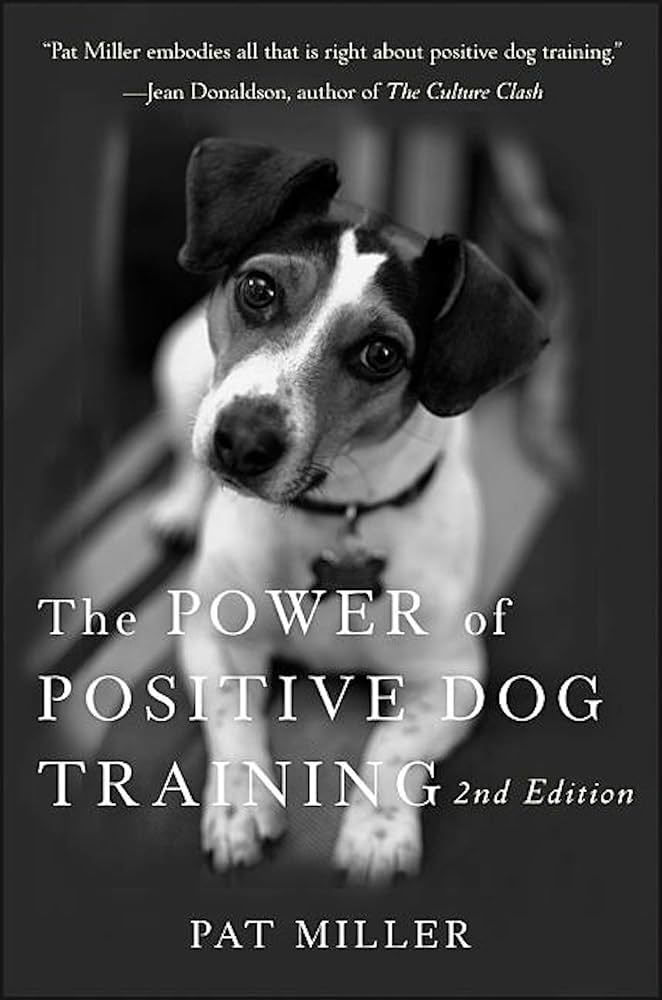
Positive reinforcement training has revolutionized how we understand and interact with our canine companions. At the forefront of this movement is Pat Miller, a renowned dog trainer, author, and speaker whose approach emphasizes building a strong, trusting relationship between humans and dogs. Her methods, deeply rooted in the science of animal behavior, offer a humane and effective way to train dogs of all breeds and ages. This article delves into the core principles of Pat Miller’s positive dog training philosophy, exploring its benefits and practical applications for everyday dog owners.
Understanding the Core Principles of Positive Reinforcement
Pat Miller’s training philosophy is built on the belief that dogs learn best when they are motivated by rewards rather than fear or punishment. Positive reinforcement involves adding something desirable (like a treat, praise, or a favorite toy) immediately after a dog performs a desired behavior. This makes the dog more likely to repeat that behavior in the future. Conversely, it means minimizing or eliminating the use of punishment, which can lead to a host of behavioral problems, including anxiety, aggression, and a breakdown in trust between dog and owner.
Key Components of Positive Training:
- Rewards: Identifying what motivates your individual dog is crucial. This could be high-value treats, a favorite squeaky toy, enthusiastic praise, or even a brief play session. Timing is everything; the reward must be delivered immediately after the desired behavior.
- Clear Communication: Dogs don’t understand human language in the same way we do. Positive training relies on clear, consistent cues (verbal or hand signals) and body language. Consistency among all family members is vital to avoid confusing the dog.
- Management: Preventing unwanted behaviors is just as important as reinforcing desired ones. This might involve using crates, leashes, baby gates, or puzzle toys to manage your dog’s environment and prevent them from practicing behaviors you don’t want. For instance, if your puppy isn’t reliably house-trained, limiting their freedom when unsupervised is a key management strategy.
- Understanding Dog Body Language: Pat Miller is a strong advocate for learning to read a dog’s subtle cues. Recognizing signs of stress, fear, or over-arousal allows trainers to adjust their approach before a problem escalates.
Why Choose Positive Training? The Benefits for Dogs and Owners
The advantages of positive reinforcement training extend far beyond simply teaching a dog to sit or stay. It fosters a deeper, more harmonious relationship built on mutual respect and understanding.
Building a Stronger Bond:
When training is a positive experience for both dog and owner, it strengthens the bond between them. Dogs who are trained using positive methods are more likely to see their owners as reliable sources of good things and feel secure in their relationship. This trust is the foundation for a well-behaved and happy dog.
Enhancing Dog Welfare:
Punishment-based methods can suppress behaviors without addressing the underlying cause, often leading to increased fear and anxiety in dogs. Positive training, on the other hand, focuses on teaching dogs what to do, thereby increasing their confidence and reducing stress. This aligns perfectly with the “say yes dog training” philosophy, where the focus is on rewarding desired actions rather than punishing mistakes.
Creating a More Enjoyable Training Experience:
Training sessions become fun, engaging activities rather than stressful chores. This makes it more enjoyable for both the owner and the dog, encouraging consistent practice and faster progress.
Addressing Behavioral Issues Effectively:
While positive training excels at teaching new behaviors, it’s also highly effective for resolving common behavioral problems like jumping, barking, leash-pulling, and even more serious issues like fear-based aggression. By identifying the root cause of the behavior and using positive reinforcement to teach an alternative, desired behavior, owners can achieve lasting solutions. For example, understanding how to train dogs not to bite involves teaching bite inhibition and redirecting mouthing behaviors through play and rewards.
Practical Applications of Pat Miller’s Training Methods
Pat Miller’s approach is not just theoretical; it’s eminently practical and applicable to a wide range of training scenarios. Her books and workshops provide actionable advice for dog owners.
Puppy Training:
Early socialization and positive training are paramount for puppies. Introducing them to various sights, sounds, and experiences in a positive way helps them grow into well-adjusted adults. Basic obedience cues, house training, and crate training are all effectively taught using positive reinforcement. Techniques like using place training dog platform can be invaluable for teaching a dog a designated safe space.
Basic Obedience:
Teaching commands like “sit,” “stay,” “come,” and “down” is fundamental. Pat Miller emphasizes making these cues reliable in various environments and with distractions. This is where consistent practice and rewarding the dog for success are key.
Addressing Common Nuisance Behaviors:
- Leash Pulling: Instead of yanking the leash, positive trainers teach dogs to walk politely by rewarding them for keeping the leash loose. This can involve stopping every time the leash gets tight or rewarding the dog for walking by your side.
- Jumping: When a dog jumps up, they are seeking attention. The positive approach is to ignore the jumping and only give attention (praise, petting) when all four paws are on the floor.
- Excessive Barking: Understanding why a dog is barking is the first step. Is it boredom, fear, or a territorial response? Once the cause is identified, you can use positive methods to teach an alternative behavior, such as a “quiet” cue or redirecting their attention.
The Role of Tools in Positive Training
While the focus is on positive reinforcement, certain tools can be used to aid in training, provided they are used humanely and correctly.
Leashes and Collars:
Flat collars or harnesses are generally preferred for everyday wear and walks. Tools like front-clip harnesses can help manage strong pullers without causing pain or discomfort. The goal is to guide the dog, not to force them.
Clicker Training:
A clicker is a small device that makes a distinct clicking sound. It’s used as a “marker” to precisely signal to the dog the exact moment they performed the desired behavior. The click is immediately followed by a reward. This clear communication helps dogs understand what they are being rewarded for.
Muzzles:
When used appropriately and introduced positively, muzzles can be a vital safety tool, particularly for dogs who may have a tendency to bite due to fear or medical issues. They are not a substitute for training but a way to manage risk while working on behavioral modification.
Integrating Positive Training into Daily Life
The most successful training happens when positive principles are woven into the fabric of your daily interactions with your dog.
Consistency is Key:
Every interaction is a training opportunity. Ensure everyone in the household is on the same page regarding commands, rules, and rewards. This consistency helps your dog learn faster and reduces confusion.
Patience and Understanding:
Learning takes time, and every dog learns at their own pace. There will be setbacks, but approaching them with patience and understanding, rather than frustration, is crucial. Remember that dogs are individuals, and what works for one might not work for another.
Seek Professional Guidance:
For complex behavioral issues or if you’re struggling to implement positive training techniques, don’t hesitate to seek help from a qualified professional. Many trainers, like those who advocate for methods similar to Pat Miller’s “2 paws up dog training,” offer personalized guidance and support. The use of tools like training bells for dogs can also be part of a comprehensive positive training plan.
Conclusion: The Lasting Impact of Positive Training
Pat Miller’s philosophy of positive dog training offers a powerful, compassionate, and effective approach to building a lifelong partnership with your dog. By focusing on rewards, clear communication, and understanding canine behavior, owners can foster well-behaved, confident, and happy dogs. The “power of positive dog training” lies not just in the obedience it achieves, but in the deep, trusting relationship it cultivates. Embracing these principles means creating a more harmonious life for both you and your beloved canine companion, turning every training session into a positive story.
