
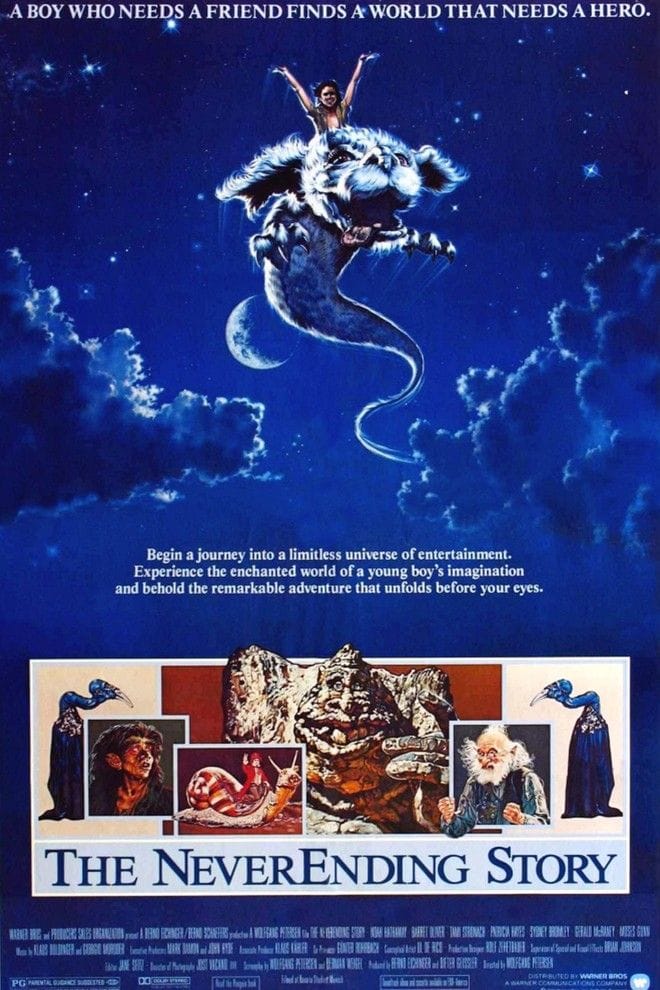
For an entire generation, a single movie scene became a core memory of childhood heartbreak. It didn’t involve a monster or a dramatic battle, but a quiet, slow, and agonizing surrender. We’re talking about The Neverending Story Horse Death Scene, a cinematic moment that has haunted audiences for decades. The sequence where Atreyu’s loyal companion, Artax, succumbs to the Swamps of Sadness is more than just a sad part of a children’s film; it’s a profound and terrifying depiction of despair that remains one of the most impactful moments in fantasy cinema.
This scene is a masterclass in emotional devastation, leaving a permanent mark on anyone who witnessed it. Why does it hurt so much? The answer lies in its brilliant execution, its deep symbolism, and its unflinching look at the nature of giving up. Unlike the dramatic events in stories like is war horse 1 a true story, this moment is internal and devastatingly quiet.
The Swamps of Sadness: Setting the Stage for Tragedy
To understand the weight of Artax’s death, we must first understand the perilous journey Atreyu has undertaken. The young warrior is tasked with finding a cure for the Childlike Empress, and his quest to stop the malevolent force known as “the Nothing” leads him to the Swamps of Sadness. This is no ordinary marsh. As the name implies, its danger is not physical but psychological. The swamp preys on emotion; it slowly drains the hope and joy from any who enter, and once sadness takes hold, its muddy waters pull them down to their doom.
Atreyu is protected by the Auryn, the powerful amulet that gives him courage and guidance. Artax, his beautiful white horse and sole companion, has no such protection. He is vulnerable. The scene begins with a sense of foreboding as the two cautiously make their way through the murky landscape. The atmosphere is thick with gloom, a stark contrast to the vibrant world of Fantasia seen earlier. The danger is invisible, an emotional poison that Artax begins to inhale with every step.
An Unforgettable Descent into Despair
What makes the Neverending Story horse death scene so uniquely traumatic is how it unfolds. There is no villain to fight, no sudden attack. Artax simply stops. The sadness of the swamp has found a crack in his spirit, and he begins to sink. The true horror of the scene is Atreyu’s reaction. He doesn’t understand at first, urging his friend to move, his voice filled with innocent encouragement that quickly turns to panicked desperation.
He pulls, he screams, he begs. “You have to try! You have to care! I won’t let you die!” The words are a desperate plea against an enemy he cannot strike with his fists. Artax remains stoic, a single tear rolling down his face as he resigns himself to his fate. Atreyu is a child, utterly helpless in the face of an adult concept: the complete and total loss of hope. The scene forces the viewer, often a child themselves, to watch a beloved character give up. The raw emotion of Atreyu’s cries, combined with the horse’s silent surrender, creates an unforgettable portrait of grief and powerlessness. This depiction of a friend slowly perishing feels viscerally real, much like the images evoked by the phrase the neverending story horse stuck in mud.
The Powerful Symbolism Behind Artax’s Death
Artax is more than just a horse; he is a symbol of innocence, hope, and companionship. He is Atreyu’s link to the life he knew before his great quest. His death, therefore, represents the loss of that innocence. It is Atreyu’s first true encounter with the crushing power of the Nothing, which isn’t just an external force but an internal one as well—the emptiness that leads to despair.
“The scene is a powerful metaphor for depression,” notes Dr. Eleanor Vance, a child psychologist and media analyst. “It teaches a difficult lesson: sometimes, the greatest battles are not against dragons, but against the sadness within. Artax doesn’t die because of a physical wound, but because he loses the will to go on. For a child, this is a terrifying but profound introduction to the complexities of mental and emotional struggle.”
The scene forces Atreyu, and the audience, to confront the idea that heroism isn’t just about fighting monsters. It’s about finding the strength to move forward even after experiencing unimaginable loss. Artax’s death marks a pivotal moment in Atreyu’s character arc, stripping him of his most cherished companion and forcing him to continue his journey alone, carrying the weight of his grief. The visual of the neverending story horse sinking becomes a permanent fixture in the minds of viewers.
Behind the Scenes: Filming a Difficult Moment
The intensity of the scene often leads viewers to wonder about the logistics of filming it. Rest assured, the horse playing Artax was never in any real danger. The scene was shot on a specially constructed set with a hydraulic platform that slowly lowered the horse into the muddy-looking water. The horse, a magnificent white steed named Clyde, underwent extensive training to remain calm during the process.
Director Wolfgang Petersen was adamant about capturing genuine emotion. He reportedly pushed the young actor, Noah Hathaway, to tap into real feelings of loss to achieve the heart-wrenching performance that made the scene so believable. The combination of clever filmmaking techniques, a well-trained animal, and a powerful performance from Hathaway resulted in a sequence that felt frighteningly real without ever compromising the animal’s safety. While the on-screen moment is about loss, the behind-the-scenes story is one of careful and compassionate filmmaking.
The Lasting Legacy of a Cinematic Trauma
Decades after its release, the Neverending Story horse death scene remains a cultural touchstone. It is frequently cited in lists of the most traumatic movie moments from childhood and is a topic of discussion in forums and social media to this day. Why has it lingered so vividly in our collective consciousness? Because it dared to treat its young audience with maturity. It didn’t shy away from depicting difficult themes like depression, grief, and the nature of hope. It presented a form of sadness that was quiet, insidious, and devastatingly real.
The moment Artax gives up is a lesson that sticks with you: that the fight against sadness is a real and difficult battle. But the film’s ultimate message is one of optimism. Atreyu pushes on. He honors his friend’s memory by continuing the quest. He proves that even after the deepest loss, hope can be rekindled. The story doesn’t end in the swamp; it continues because of the hero’s refusal to surrender to the same fate that took his friend. The memory of the event, often recalled through a neverending story horse death gif, serves as a constant reminder of this powerful lesson.
Frequently Asked Questions (FAQ)
Why did the horse die in The Neverending Story?
Artax, the horse, dies because he is overcome by the sadness and despair that permeate the Swamps of Sadness. The swamp’s magical properties cause any being who gives in to sadness to sink into the mud. Unlike Atreyu, who is protected by the Auryn, Artax is vulnerable to this emotional force and loses the will to live.
Was the horse actually harmed during the filming of the scene?
No, the horse was not harmed. The scene was filmed on a special set with a hydraulic lift that safely and slowly lowered the animal into the water. The filmmakers took extensive precautions to ensure the horse’s safety and well-being throughout the process.
What does Artax’s death symbolize?
Artax’s death symbolizes the loss of innocence, hope, and companionship. It serves as a powerful metaphor for the struggle against depression and despair. The scene illustrates the devastating power of the Nothing, showing that it conquers not just by physical destruction but by extinguishing the will to live from within.
How old was Atreyu when Artax died?
In the film, Atreyu is portrayed as a young boy, roughly 12 years old. His youth makes his experience of watching his closest companion die even more tragic and highlights his incredible courage in continuing his quest alone.
Is the horse death scene in the book “The Neverending Story”?
Yes, the scene is in the original 1979 novel by Michael Ende, upon which the film is based. The book’s depiction is just as, if not more, poignant and serves the same crucial narrative purpose of representing Atreyu’s first devastating encounter with the Nothing’s true power.
In conclusion, the Neverending Story horse death scene is a powerful and essential part of the film’s narrative. It’s a moment of profound sadness that teaches viewers about the nature of despair, the pain of loss, and the incredible strength required to keep hope alive in the face of overwhelming sorrow. While it may have broken our hearts as children, it also imparted a timeless lesson about resilience that remains relevant and moving to this day. As the movie shows, even after a moment as dark as when the never ending story horse dies, the story must go on.
