
Have you ever had something seemingly terrible happen, only for it to turn into a blessing in disguise? Or experienced a stroke of incredible luck that led to an unforeseen problem? Life is full of these twists and turns, where the true nature of an event is impossible to know in the moment. This complex dance between fortune and misfortune is at the heart of The Lost Horse Story, an ancient Chinese parable that offers profound wisdom on acceptance, perspective, and the unpredictable nature of fate. This tale, often attributed to the Taoist philosopher Huainanzi, has been passed down through generations, serving as a powerful reminder to reserve judgment and embrace the unknown.
This narrative invites us to look beyond immediate circumstances and consider the bigger picture. It challenges our deep-seated need to label everything as “good” or “bad” and instead encourages a more neutral, observational approach to life’s ups and downs. The lessons from this simple yet powerful story are just as relevant today as they were thousands of years ago, offering a guiding light for navigating the complexities of our modern world. It shares a thematic depth with other timeless tales, such as the story of the lost horse, which also explores themes of loss and unforeseen outcomes.
The Unfolding Tale of the Farmer and His Horse
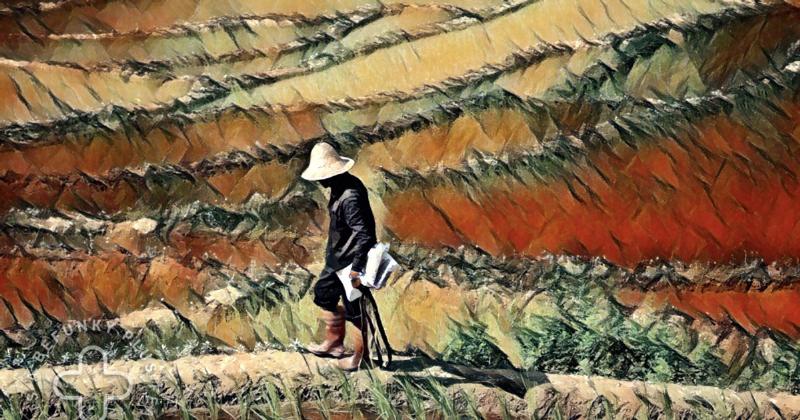
The parable begins with an old farmer living in a small village near the northern frontier of China. He was a simple man, known for his calm demeanor and his prized possession: a beautiful, strong horse.
An Apparent Misfortune
One day, the horse simply vanished. It broke free from its enclosure and ran off into the wild lands inhabited by nomadic tribes. The farmer’s neighbors quickly came to offer their condolences. “What terrible luck!” they exclaimed. “To lose such a valuable animal. This is a great misfortune.” The old farmer, however, remained tranquil. He simply looked at them and replied, “Good luck? Bad luck? Who knows?” His response left the villagers puzzled. How could he not see this as a clear disaster?
A Surprising Turn of Events
Several months passed. Then, one morning, the farmer awoke to a commotion. His lost horse had returned, and it was not alone. It had brought with it a magnificent herd of wild horses from the frontier. Suddenly, the farmer was not just the owner of one horse but many. His neighbors, hearing the news, rushed over to congratulate him. “What incredible fortune!” they cheered. “Not only did you get your horse back, but now you have a dozen more! You are a wealthy man.” The farmer, with the same calm he had shown before, just shrugged and said, “Good luck? Bad luck? Who knows?”
 The lost horse story showing an old Chinese farmer calmly observing a herd of horses that have appeared at his farm, one of which is his own returned horse.
From Fortune to Calamity
The farmer’s son, a strong and capable young man, was delighted with the new horses. He began the process of taming and training them. One afternoon, while riding a particularly spirited wild stallion, he was thrown violently to the ground. The fall was severe, and his leg was badly broken. The injury was so significant that the doctors confirmed he would walk with a limp for the rest of his life. Once again, the villagers came to the farmer’s home, their faces filled with pity. “This is truly a tragedy,” they lamented. “Your son, once so strong, is now crippled. This wealth of horses has brought you nothing but sorrow. What terrible luck.” The old farmer listened patiently before responding with his now-familiar refrain: “Good luck? Bad luck? Who knows?”
An Unexpected Blessing
A year later, the emperor’s army marched into the village. A war had broken out with the nomadic tribes to the north, and all able-bodied young men were being conscripted to fight. The battle was fierce and far from home, and the villagers knew that most of the young men sent to the front lines would never return. They watched in sorrow as their sons were taken away. However, when the army officials saw the farmer’s son with his broken leg, they passed him over. He was deemed unfit for military service. Because of his injury, his life was spared. The story of the old man lose horse story often echoes this sentiment of unpredictable outcomes.
What is the Deeper Meaning of The Lost Horse Story?
This simple narrative is packed with profound philosophical insights that challenge our fundamental understanding of life’s events. It’s not just a story about a farmer and his horse; it’s a guide to achieving inner peace in a chaotic world.
Embracing Taoist Philosophy
At its core, the lost horse story is a perfect illustration of Taoist principles. Taoism emphasizes living in harmony with the Tao, the natural order of the universe. A key aspect of this is the concept of wu wei, or effortless action, which involves letting go of the need to control or force outcomes. The farmer embodies this principle. He doesn’t panic when his horse runs away or celebrate excessively when it returns with more. He accepts each event as it comes, without resistance or attachment.
As Taoist sage Lao Tzu is often quoted, “If you are depressed you are living in the past. If you are anxious you are living in the future. If you are at peace you are living in the present.” The farmer lives entirely in the present, accepting what is without labeling it.
This connects to the idea of Yin and Yang, the dualistic concept that seemingly opposite forces are interconnected and interdependent. What appears as “bad” (the lost horse) contains the seed of “good” (the return of many horses), and what seems “good” (the new horses) contains the seed of “bad” (the son’s injury), which in turn contains the seed of “good” (being spared from war). The story teaches that fortune and misfortune are two sides of the same coin, constantly flowing into one another.
The Illusion of Fortune and Misfortune
The central message of the parable is that our immediate judgments are often flawed. We have a limited perspective, seeing only a tiny fragment of a much larger, interconnected tapestry of events. What seems like a disaster today might be the very thing that saves us tomorrow. Conversely, a great victory could lead to our eventual downfall.
This story encourages us to cultivate a sense of humility about our ability to understand the world. We simply don’t have enough information to definitively label an event as purely positive or negative. The farmer’s wisdom lies in his understanding of this limitation. His phrase, “Who knows?” is not one of ignorance, but of profound insight. He recognizes that the ultimate consequences of any event are beyond his immediate comprehension.
How Can We Apply This Parable to Modern Life?
The wisdom of the lost horse story is not confined to ancient philosophy; it is a practical tool for navigating the challenges of the 21st century. By adopting the farmer’s perspective, we can reduce anxiety, build resilience, and find greater peace of mind.
Navigating Career Setbacks
Imagine you are unexpectedly laid off from a job you thought was secure. The immediate reaction is often panic, fear, and a sense of failure—a clear “misfortune.” But applying the farmer’s logic, we can ask, “Who knows?” This setback could be the catalyst you need to find a more fulfilling career path, start your own business, or move to a city you’ve always dreamed of. The job loss, while painful in the short term, might be the “lost horse” that eventually leads a herd of new opportunities to your door.
Understanding Personal Relationships
Relationships are filled with moments that we are quick to label. A difficult breakup can feel like the end of the world. Yet, how many people look back years later and realize that the end of that relationship was necessary for them to grow as a person and eventually meet a more compatible partner? The “bad luck” of a broken heart can lead to the “good luck” of self-discovery and a happier future. This perspective is mirrored in many narratives, including those as dramatic as the movie war horse based on true story, where loss is a precursor to reunion and change.
Coping with Unexpected Events
Life is, by its very nature, unpredictable. We face health scares, financial challenges, and global uncertainties. Fretting over every piece of “bad news” is a recipe for chronic anxiety. The lost horse story teaches us to pause before reacting. Instead of spiraling into worry, we can acknowledge the situation and adopt a wait-and-see approach. This doesn’t mean being passive or apathetic; it means acting without being emotionally hijacked by our initial interpretation of the event. It’s about finding stability in a constantly shifting world.
Frequently Asked Questions (FAQ)
What is the main message of the lost horse story?
The main message is that we should not be quick to judge events as “good” or “bad” fortune. Life is unpredictable, and the ultimate outcome of any situation is often hidden. The story encourages acceptance, patience, and maintaining a balanced perspective in the face of life’s ups and downs.
Who originally told the lost horse story?
The story is an ancient Chinese fable, most often attributed to the 2nd-century BCE text known as the Huainanzi. It is a collection of essays from various scholars that blend Taoist, Confucianist, and Legalist ideas, making it a cornerstone of Chinese philosophy.
Is the lost horse story a true story?
No, it is not a true historical account but a philosophical parable. Like Aesop’s Fables in the West, its purpose is not to document a real event but to teach a moral or philosophical lesson in a simple, memorable way.
How is the story related to Taoism?
The story perfectly encapsulates key Taoist principles such as non-judgment, acceptance of the natural flow of events (the Tao), and the interconnectedness of opposites (Yin and Yang). The farmer’s calm, non-reactive demeanor is an ideal representation of the Taoist concept of wu wei.
What is another name for the lost horse story?
The story is often known by several other names, including “The Farmer and His Horse,” “The Old Man Who Lost His Horse,” or the Chinese proverb Sāi Wēng Shī Mǎ, which translates to “The old man from the frontier loses his horse.”
Conclusion: Finding Wisdom in Uncertainty
In a world that constantly pressures us to react, to have an opinion, and to label every experience instantly, the lost horse story offers a radical alternative: the wisdom of not knowing. It teaches us that peace is not found in controlling life’s events, but in controlling our perception of them. The farmer’s true wealth was not his horses, but his unshakeable inner calm and his profound understanding of life’s fluid nature.
By embracing this ancient wisdom, we can learn to navigate our own lives with greater grace and resilience. We can face setbacks with less despair and greet successes with less attachment, knowing that each is just one chapter in a much longer, more complex story. The next time you find yourself facing what seems like a great misfortune or a stroke of incredible luck, take a moment to pause, breathe, and remember the old farmer’s timeless words: “Good luck? Bad luck? Who knows?”
