
The Best Commands to Teach Your Dog. When it comes to training your dog, understanding the best commands to teach can significantly enhance your relationship with your furry friend while ensuring their safety and well-being. Dogs are not just pets but companions with emotions, instincts, and varied personalities. Hence, a one-size-fits-all approach doesn’t apply; different breeds or individual dogs may respond better to specific commands based on their natural inclinations. For example, an energetic breed might thrive under commands that incorporate physical activity, such as come or heel, whereas a more mellow dog might benefit from commands like stay or down to encourage calmness. Distilling vast amounts of training information into core commands sets the stage for effective communication.
Essential Commands for Beginners
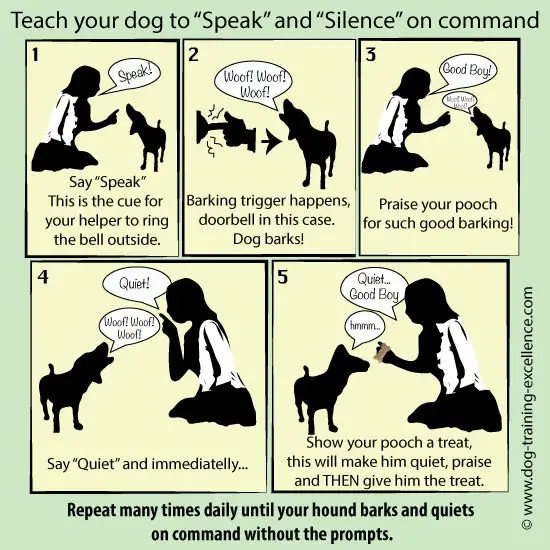
Teaching your dog the essential commands lays the foundation for a strong, trusting relationship. These basic commands not only help establish discipline and focus but also provide a basis for further training, allowing pet owners to transition smoothly into more advanced commands.
The Best Commands to Teach Your Dog – Teaching the “Sit” Command
One of the first commands many trainers suggest is sit. This command serves as a fundamental building block in establishing discipline and focus. Not only does it help instill self-control in rambunctious pups, but it also provides a basis for further training, allowing pet owners to transition smoothly into other commands. Imagine being at a crowded café where your dog can be calm and composed—this makes outings enjoyable for everyone involved.
The sit command is a versatile tool that can be used in various situations. It can be a way to greet visitors, prevent jumping, or simply ask your dog to pause and focus. When teaching the sit command, it’s important to be patient and consistent, using positive reinforcement such as treats and praise to encourage the desired behavior. Start in a quiet, distraction-free environment, and gradually introduce the command in different settings to ensure your dog understands and responds reliably.
The Best Commands to Teach Your Dog – Importance of the “Stay” Command
The stay command takes the sit command further by helping dogs learn patience. Envision a scenario where you are hosting friends, and you want your dog to stay put, safely out of the hustle and bustle of mingling guests. Teaching your dog to stay reinforces boundaries and creates a safer environment. Pulling from common behavioral practices, the stay command parallels teaching kids the value of patience—setting them up for social success later in life.
Mastering the stay command requires a dog to remain in one position, such as sitting or lying down, until given the release cue. This command is particularly useful in situations where you need your dog to remain calm and controlled, such as during vet visits, while greeting guests, or when you need to step away briefly. Start with short durations and gradually increase the time your dog is expected to hold the stay, always rewarding their compliance with praise and treats. Consistency and patience are key when teaching this essential command.
The Best Commands to Teach Your Dog – Introducing the “Down” Command
The down command is another foundational behavior that helps dogs learn to relax and be calm on cue. This command can be particularly useful for dogs that tend to be excitable or high-energy, as it encourages them to settle and focus. Imagine a scenario where your dog is jumping up on guests or barking excessively; being able to cue them to lie down can diffuse the situation and create a more peaceful environment.
When teaching the down command, start by luring your dog into the position with a treat, then gradually fade the lure and use the verbal cue “down” to prompt the behavior. Reward your dog with praise and a treat when they comply. Be patient, as some dogs may be more reluctant to lie down than others. Consistent practice and positive reinforcement will help your dog learn to associate the down command with a relaxed, calm state of being.
Mastering the “Come” Command
The come command is another critical command that ensures safety, particularly in outdoor settings. Imagine letting your dog off-leash at a park. When you call come, and they respond, it leads to enhanced freedom balanced with safety. This duality mirrors real-life situations where individuals must often choose between independence and accountability. By fostering this skill, dog owners build trust in their pets and enhance the dog’s ability to navigate complex environments.
Teaching the come command requires a combination of patience, consistency, and positive reinforcement. Start by practicing in a quiet, distraction-free environment, using treats and praise to reward your dog when they respond to the cue. Gradually increase the distance and level of distraction as your dog masters the behavior. It’s crucial to never punish your dog for coming to you, as this can erode their trust and make them less likely to respond in the future. By making the come command a positive experience, you’ll build a strong foundation of cooperation and safety with your furry friend.
Advanced Commands for Enhanced Interaction

As your dog becomes proficient in the essential commands, you can introduce more advanced commands that enhance your interaction and deepen the bond between you and your pet.
Understanding the “Heel” Command
The heel command is a crucial skill for dogs to learn, especially when navigating busy environments or going on walks. This command teaches your dog to walk calmly by your side, maintaining a close position and responding to your movements. Imagine sharing trails or navigating busy streets confidently, where your dog understands cues, leaving both of you relaxed and connected.
When teaching the heel command, start by having your dog walk beside you on a loose leash, rewarding them with treats and praise when they stay in the correct position. Gradually introduce the verbal cue “heel” and practice in various environments to ensure your dog responds reliably. Remember to be patient and consistent, as some dogs may find heel more challenging than others. With time and practice, your dog will learn to walk harmoniously by your side, making outings and adventures a more enjoyable experience for both of you.
Significance of the “Leave It” Command
The “leave it” command is a crucial tool for promoting a safe play experience, particularly when a dog shows interest in potentially harmful objects. Think of a scenario where a lively puppy finds a discarded chicken bone during a walk; knowing “leave it” could mean the difference between a trip to the vet and a carefree day outdoors.
To teach the “leave it” command, start by placing a treat on the ground and covering it with your hand. When your dog sniffs and paws at your hand, say “leave it” and reward them with a treat from your other hand. Gradually increase the difficulty by using more enticing objects and rewarding your dog for ignoring them. This command helps dogs develop impulse control and learn to trust your judgment, ultimately keeping them safe in a variety of situations.
Implementing the “Drop It” Command
The “drop it” command is another essential tool for managing your dog’s interactions with objects, toys, or even food. Imagine a scenario where your dog has picked up an item you’d prefer them not to have, such as a sock or a piece of litter. Being able to cue your dog to release the item can prevent potential harm and maintain a safe environment.
To teach the “drop it” command, start by having your dog hold a toy or treat in their mouth. Say “drop it” and immediately offer a more desirable treat in exchange. Over time, your dog will learn to release the item on cue, understanding that doing so leads to a reward. Consistent practice and positive reinforcement will solidify this command, giving you the ability to intervene safely when your dog has something they shouldn’t.
Commands for Safety and Behavior Management

Beyond the essential and advanced commands, there are specific commands that address safety concerns and help manage your dog’s behavior.
The Role of “No”
The “no” command is a crucial tool for establishing boundaries and redirecting your dog’s behavior. It’s important to use this command judiciously and consistently, ensuring that your dog understands the gravity of the situation. Imagine a scenario where your dog is about to jump on a young child or grab a hot piece of food from the table; being able to firmly say “no” and have your dog respond can prevent potentially dangerous situations.
When using the “no” command, it’s essential to pair it with a clear, calm tone and follow-up action. For example, if your dog is about to jump on a guest, saying “no” firmly and then guiding them to a designated settle spot can reinforce the desired behavior. Consistency is key, as your dog needs to understand that the “no” command is non-negotiable and should be respected.
Teaching “Wait” for Impulse Control
The “wait” command is particularly useful for teaching impulse control and managing your dog’s behavior in situations where they might be tempted to rush ahead or grab something without permission. Imagine a scenario where your dog is about to dash out the front door or snatch a piece of food from your plate; being able to cue them to “wait” can prevent potential accidents and reinforce self-control.
To teach the “wait” command, start by having your dog hold a stay or a sit-stay, then gradually increase the duration and level of distraction. Reward your dog with praise and a treat when they successfully wait for your release cue. This command can be particularly helpful in managing your dog’s behavior during meal times, when greeting visitors, or when moving through doorways and gates.
Importance of “Off” to Manage Jumping
The “off” command is a valuable tool for managing a dog’s tendency to jump on people, particularly guests or children. While an enthusiastic jump may be a sign of affection, it can be unwelcome and even potentially dangerous, especially for smaller individuals. Teaching your dog the “off” command can help redirect their energy and teach them more appropriate ways to greet and interact.
To teach the “off” command, start by rewarding your dog when all four paws are on the ground. When they attempt to jump, say “off” firmly and either turn away or guide them into a sit or down position. Consistency and patience are key, as breaking the jumping habit may take time and repeated practice. Reinforcing the “off” command with praise and treats when your dog keeps their paws on the ground will help solidify this important behavior.
Commands for Communication and Bonding
Beyond basic obedience commands, there are specific commands that can enhance communication and deepen the bond between you and your dog.
Utilizing “Look at Me” for Focus
The “look at me” command is a powerful tool for building focus and engagement with your dog. This command encourages your dog to maintain eye contact, which can be particularly useful in training scenarios or when you need your dog’s full attention.
To teach the “look at me” command, start by rewarding your dog when they make eye contact with you naturally. Gradually introduce the verbal cue and reward them for holding the gaze. This command can help build trust, as it demonstrates to your dog that you are a source of positive reinforcement and attention. Additionally, the “look at me” command can be a foundation for other advanced training, as it establishes a clear line of communication and reinforces your role as the leader.
Benefits of “Touch” for Engagement
The “touch” command is a versatile tool that can serve multiple purposes in your dog’s training. At its core, “touch” teaches your dog to nose-bump your hand on cue, which can be used for everything from getting their attention to guiding them through complex environments.
Teaching the “touch” command is relatively straightforward. Hold your hand out, palm facing your dog, and say “touch.” When your dog’s nose makes contact with your hand, reward them with a treat and praise. Over time, you can use the “touch” command to direct your dog’s movements, such as guiding them around obstacles or directing them to specific locations. This command can also be a valuable tool for building confidence in shy or timid dogs, as it gives them a clear way to engage with you and earn rewards.
Commands Tailored to Individual Needs
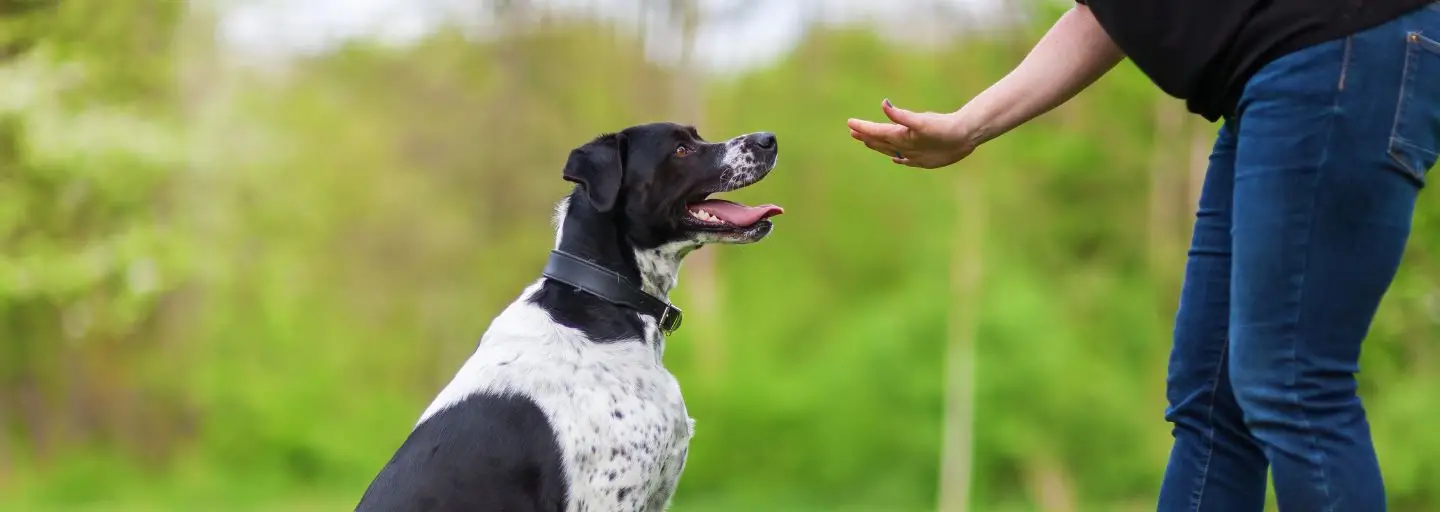
It’s essential to remember that the best commands to teach your dog may vary depending on their temperament and individual needs. Understanding your dog’s unique personality and adapting the training approach accordingly can lead to more successful and rewarding outcomes.
Adapting Commands for Timid Dogs
For dogs who tend to be more timid or anxious, certain commands can be particularly empowering and help build confidence. The “look at me” command, for example, can be a valuable tool for these dogs, as it reinforces their ability to engage with you and earn positive reinforcement.
Another command that can be beneficial for timid dogs is the “touch” command. By teaching them to nose-bump your hand on cue, you’re providing a clear, low-stress way for them to interact and earn rewards. This can help build their trust and willingness to approach you, which is essential for further training and socialisation.
Additionally, commands like “sit” and “stay” can help timid dogs feel more secure and in control, as they learn to hold a position on cue. The predictability and structure of these commands can be comforting for them and set the stage for more advanced training.
Empowering More Assertive Dogs
On the other hand, dogs with a more assertive or dominant personality may require a different approach to training. For these pups, commands like “no” and “off” can be particularly important for establishing boundaries and reinforcing respect.
The “no” command, when used consistently and firmly, can help assert your role as the leader and prevent unwanted behaviours, such as jumping or nipping. It’s essential to pair this command with a clear consequence, such as removing your dog from the situation or redirecting their attention to a more appropriate activity.
Similarly, the “off” command can be a valuable tool for managing an assertive dog’s tendency to jump or invade personal space. By teaching them to keep all four paws on the ground, you’re reinforcing appropriate greeting behaviours and helping them understand your expectations.
For more assertive dogs, it’s also important to focus on commands that encourage impulse control, such as “wait” and “leave it.” These commands can help teach your dog to pause, consider their actions, and respond to your guidance, rather than acting on their initial impulses.
Creating a Unique Language with Your Dog
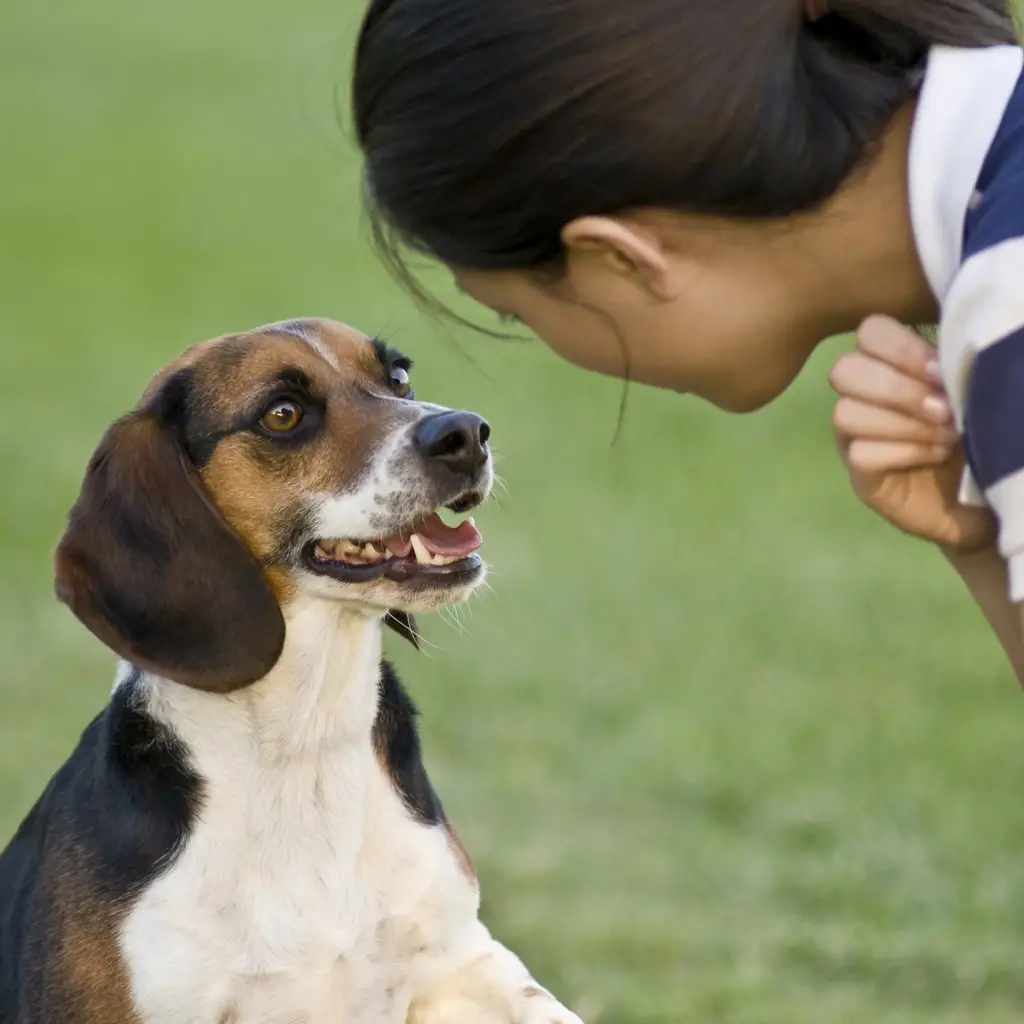
Every interaction between you and your dog becomes a dialogue when training, as you establish a unique language of commands and cues. This communication goes beyond just words, as it encompasses the subtle nuances of body language, tone, and the overall relationship.
How Commands Foster Cooperation
Commands such as “heel” guide your pup through new scenarios and nourish cooperative habits during walks or adventures together. Imagine sharing trails or navigating busy streets confidently, where your dog understands cues, leaving both of you relaxed and connected. This verbal connection resembles the gradual development of sign language between a parent and a child—each gesture and command builds toward mutual understanding and ease of communication.
Developing a Non-Verbal Communication System
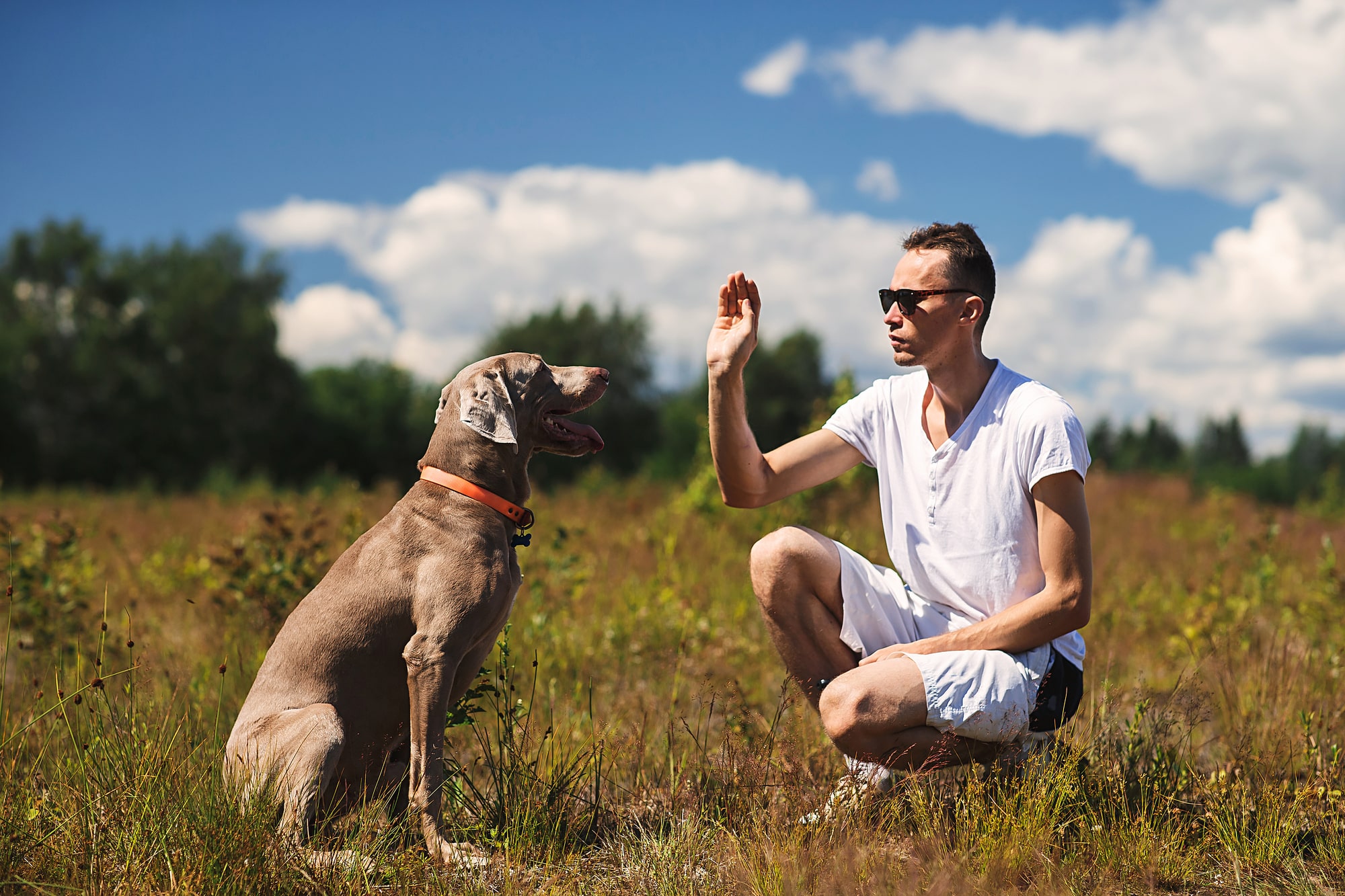
Beyond the verbal cues, you can also incorporate non-verbal communication into your training. Simple hand signals or body movements can reinforce your commands and help your dog learn to read your intentions. For example, a raised hand can signify the “stay” command, while a gentle tug on the leash can cue your dog to “heel.”
This non-verbal communication system not only enhances the training process but also strengthens the bond between you and your dog. As you develop a shared language of gestures and cues, your dog will learn to anticipate your wishes and respond accordingly, creating a seamless, intuitive partnership.
The Role of Consistency in Dog Training
Consistency is the cornerstone of successful dog training, as it helps your furry friend understand your expectations and build trust in the training process.
Establishing a Routine for Effective Learning
When it comes to training, creating a consistent routine is essential. Designate specific times and locations for training sessions, and stick to a predictable format. This structured approach helps your dog understand that training is a regular part of their day, making them more receptive to the commands and cues you’re teaching.
Consistency also extends to the language you use during training. Stick to the same verbal cues and hand signals, as using multiple variations can confuse your dog and slow down the learning process. Additionally, ensure that all members of the household are using the same commands, as this unity reinforces your dog’s understanding.
Importance of Reinforcement and Rewards
Consistent positive reinforcement is another key element of successful dog training. Whenever your dog responds correctly to a command, be sure to reward them immediately with praise, treats, or a favorite toy. This reinforcement helps to solidify the association between the command and the desired behaviour, encouraging your dog to repeat the action in the future.
It’s important to use a variety of rewards and to tailor them to your dog’s individual preferences. Some dogs may be more motivated by food, while others may respond better to playful interactions or affectionate petting. Experiment to find the rewards that work best for your furry friend, and be sure to vary them to maintain their interest and engagement during training sessions.
Overcoming Common Challenges in Training
While dog training can be a rewarding experience, it’s not without its challenges. Understanding and addressing common obstacles can help you navigate the training process more effectively.
Addressing Distractions During Training
One of the biggest challenges in dog training is managing distractions. Whether it’s the lure of a squirrel outside the window or the temptation of a dropped snack on the floor, your dog’s attention can easily be diverted from the task at hand. To overcome this, it’s essential to practice commands in a variety of environments, gradually introducing more distractions as your dog’s focus and obedience improve.
Start training in a quiet, distraction-free space, and then slowly incorporate more stimuli, such as other people, other dogs, or environmental noises. Reward your dog generously when they maintain their attention on you, and be patient if they struggle at first. Consistency and positive reinforcement will help your dog learn to ignore distractions and respond reliably to your commands.
Dealing withResistance to Commands
Resistance can often stem from a variety of factors, including a lack of understanding, distractions, or simply a dog’s natural independent spirit. It’s not uncommon for dogs, particularly more stubborn breeds or younger pups, to exhibit hesitation or outright refusal to follow commands. A key part of overcoming this resistance is patience and persistence.
Begin by reassessing your approach to training. Ensure that you’re using commands that are clear and consistent, and match your tone and body language to support the command you’re asking for. If a certain command proves too challenging in the moment, scale back. Instead of insisting on a complex sequence, break it down into simpler parts and gradually build up your dog’s confidence.
Another crucial element is the environment in which you train. If your dog seems overwhelmed or distracted during a session, consider moving to a quieter space where they can focus more readily. Lastly, never underestimate the power of positive reinforcement; if subtle cues aren’t resonating, try varying rewards. Sometimes, a favorite toy or extra playtime might just do the trick.
The Emotional Impact of Dog Training

Training isn’t just about teaching commands; it has a profound emotional impact on both you and your dog. Each interaction you share through training deepens the bond and establishes mutual respect and understanding.
Strengthening the Human-Dog Bond
Perhaps one of the most rewarding outcomes of dog training is the strengthened bond that develops between owner and pet. As you engage in the process of teaching commands, you’re not only shaping your dog’s behaviour but also enriching your relationship. The trust that is built during these moments creates a foundation that fosters loyalty and companionship.
Every successful training session becomes a victory shared between you and your dog. This sense of achievement bolsters confidence for both parties, reinforcing the idea that you are a team striving towards the same goals—a connection that extends far beyond obedience alone.
Teaching Commands as Tools for Emotional Support
Commands can also serve as essential tools for emotional support within your household. A command like “stay” can provide a soothing anchor during stressful situations, while “come” can give comfort to know that your dog will always return to you in times of distress. In many ways, these commands create a safety net, reassuring both canine and human that there is structure and control even when life feels chaotic.
Moreover, certain commands can teach your dog to respond intuitively to your emotional state. Using them effectively can encourage your pup to notice your feelings, leading to a kind of companionship where your dog seeks to comfort you when needed. This dynamic illustrates the powerful potential for commands to transcend mere functionality and become elements of a deeply empathetic relationship.
Fun Tricks and Commands Beyond Basics

Once your dog has mastered the foundational commands, there’s much joy to explore in teaching fun tricks and more advanced behaviours. These playful additions to your training repertoire can foster creativity and deeper engagement.
Teaching Your Dog to Roll Over
One delightful command to consider is teaching your dog to roll over. While it may look complex, it can actually be broken down into manageable steps. Begin with your dog in a “down” position, and use a treat to lure your dog onto their side. Once they are comfortable with that position, you can coax them further until they complete the roll.
This trick satisfies a dog’s natural curiosity and agility while allowing for a lighthearted interaction. Moreover, teaching “roll over” provides an excellent opportunity for bond-building as you share laughter and encouragement while your dog learns.
Fun with “Play Dead”
Another fan-favorite trick is teaching your dog to “play dead.” This charming command usually involves dramatization, where the dog rolls onto their side dramatically, appearing lifeless for a short period. Start by getting your dog to lie down, and then gently guide them onto their side with a treat. Gradually associate a verbal cue like “bang!” or “play dead” with this action.
Not only does this trick delight audiences, it also provides numerous opportunities for fun family ritual—be it entertaining guests or brightening up a dull day at home. The laughter and smiles generated contribute positively to the atmosphere, making both you and your pup eager participants in these spirited lessons.
The Benefits of Professional Training Classes
If you find yourself struggling with certain aspects of training, seeking help from professional trainers can greatly enhance both your skills and your dog’s responsiveness.
When to Seek Help from a Trainer
Understanding when to seek out professional assistance can be pivotal for success. If you encounter persistent issues such as extreme disobedience or severe anxiety-related behaviours, timely intervention can prevent these challenges from becoming ingrained habits. A trainer will provide tailored guidance to address specific concerns, allowing both you and your dog to move forward confidently.
It’s also advisable to consider professional classes if you are new to dog ownership or training practices. Such a decision can save time and frustration, setting a solid foundation for both you and your puppy.
What to Expect in a Training Class
Enrolling in a professional training class can be enlightening. Most classes blend theory and practice to help owners understand core principles of dog training while providing hands-on experience in a structured environment. Trainers often use group settings to expose dogs to various stimuli and scenarios, helping solidify their training amid distractions.
You can expect a variety of approaches to training, frequently rooted in positive reinforcement techniques that mirror those you’ve practiced at home. Engaging with other dog owners in classes can also facilitate community building, creating a supportive network filled with shared challenges and victories.
Conclusion: Embracing the Journey of Training Your Dog
Ultimately, dog training is as much about the journey as it is about the destination. With each new command learned and every challenge overcome, you pave the way toward a harmonious relationship with your furry companion.
The understanding that unfolds through this shared journey cultivates not only a well-behaved dog but also a robust connection marked by love, trust, and communication. Through consistency, empathy, and fun, you can make training an incredibly enriching experience for both you and your vibrant canine friend.
