
When it comes to the best breed of dog for duck hunting, one cannot overlook the remarkable capabilities and rich heritage of the Labrador Retriever. This breed has not only carved out a reputation as one of the most beloved companions in households across America but has also emerged as the quintessential hunting partner for waterfowl enthusiasts.
Labradors are celebrated for their relentless enthusiasm, unwavering loyalty, and impressive skillset when retrieving game. Their unique blend of physical attributes—such as webbed feet designed for swimming and a sturdy yet agile frame—enables them to excel in various hunting environments. Beyond their physical prowess, Labradors possess an innate desire to please their owners, making them exceptionally trainable and reliable. While Labs reign supreme in the realm of hunting dogs, the landscape is dotted with alternative breeds that can offer equally rewarding experiences in the pursuit of ducks.
Diverse Choices Beyond the Labrador
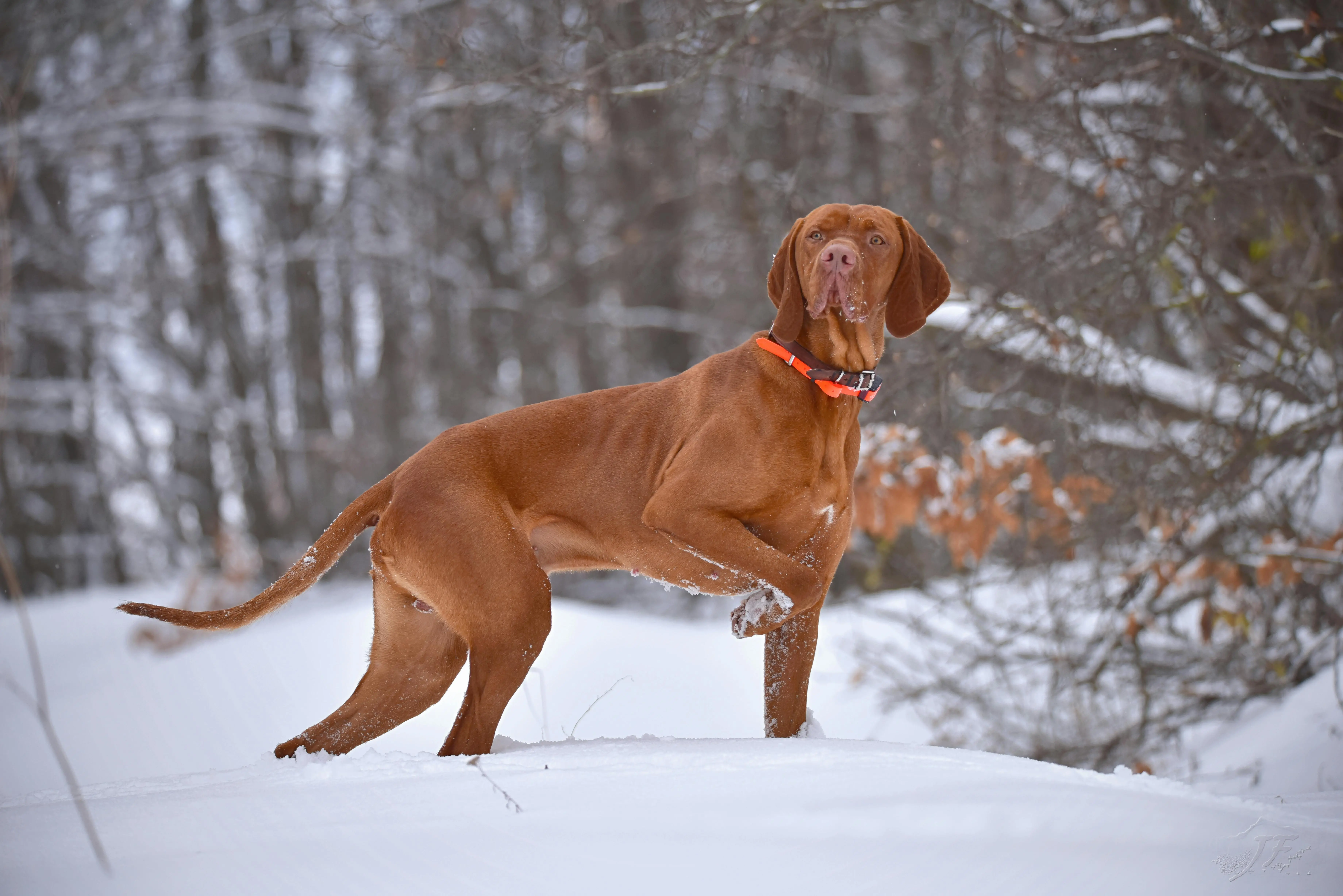
Although the Labrador Retriever undoubtedly stands at the pinnacle of duck hunting dogs, it’s important to acknowledge the array of alternatives available to hunters. Each breed brings its own set of skills, temperament, and traits suited to different hunting scenarios, allowing hunters to select a canine companion that aligns with their specific needs.
Chesapeake Bay Retriever: The Resilient Hunter
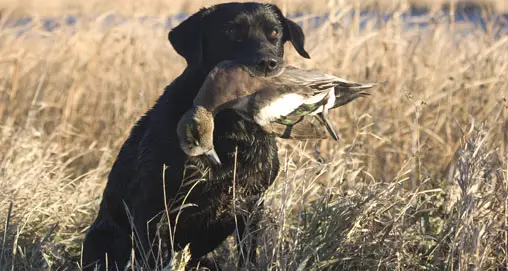
The Chesapeake Bay Retriever, often affectionately referred to as the “Chessie”, is another highly regarded option for avid duck hunters. Originally bred for retrieving waterfowl in the frigid waters of Chesapeake Bay, this breed boasts several characteristics that make it well-suited for the rigors of duck hunting.
With a robust and muscular build, Chessies are designed to withstand harsh weather conditions. Their thick, oily coat offers insulation and protection against icy waters—a trait that proves invaluable during long days afield. This breed’s tenacity and strong work ethic allow them to tackle challenging situations while remaining steadfast in their mission to retrieve downed game.
In addition to their physical capabilities, Chesapeake Bay Retrievers possess a keen intelligence that makes them highly trainable. They can learn commands quickly and have a natural aptitude for scent tracking, giving them an advantage in locating and retrieving waterfowl. However, it’s essential to note that they do best with consistent training and socialization, as they may develop stubborn tendencies if left unattended.
Golden Retriever: The Affectionate Companion The Best Breed of Dog for Duck Hunting
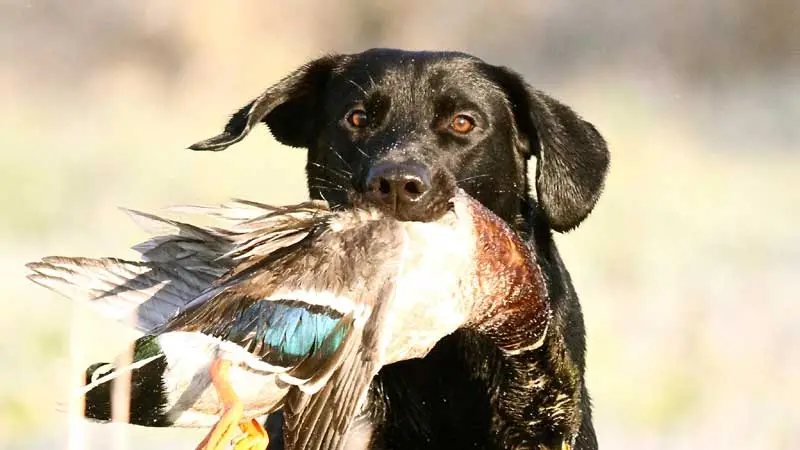
Golden Retrievers have long captured the hearts of families and hunters alike. Renowned for their friendly nature, intelligence, and gentle demeanor, Goldens can be exceptional hunting partners while also excelling as family pets.
One of the defining features of the Golden Retriever is its eagerness to please. This characteristic translates into a dog that is highly motivated to learn and perform tasks. Hunters often appreciate their instinctual retrieving skills, which align beautifully with the behaviors needed during duck hunting. Their soft mouths enable them to carry fragile game, preventing damage during retrieval.
Beyond their hunting instincts, Golden Retrievers thrive in social settings. Their affectionate nature means they bond closely with family members, making them ideal for those who wish to integrate their hunting activities with quality family time. Whether participating in hunting trips or simply enjoying outdoor adventures together, the Golden Retriever proves to be a versatile choice that enriches both the hunting experience and family life.
Lesser-Known Contenders: Boykin Spaniel and American Water Spaniel
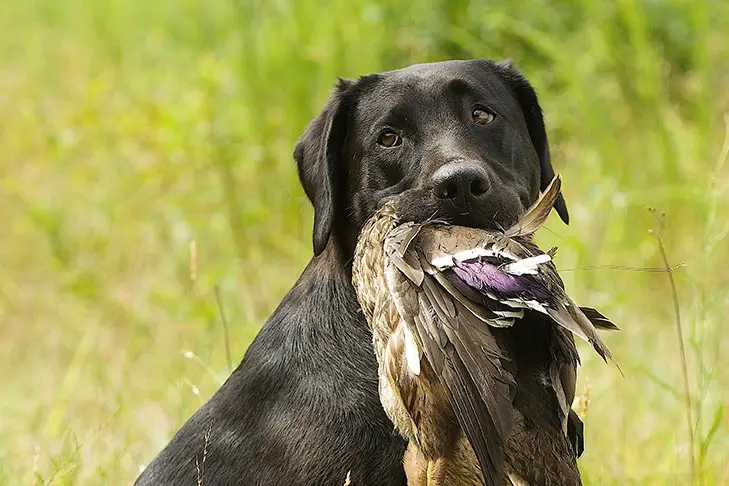
While traditional breeds like the Labrador, Chesapeake, and Golden Retrievers dominate discussions about hunting dogs, lesser-known breeds deserve recognition for their remarkable abilities. Among them, the Boykin Spaniel and the American Water Spaniel stand out as hidden gems.
The Boykin Spaniel originated in South Carolina and is known for its compact size and agile build. These dogs are particularly adept at navigating dense underbrush and marshy landscapes, making them suitable for hunting scenarios where agility is paramount. Their enthusiastic temperament and natural retrieving instincts allow them to shine in waterfowl hunting, providing hunters with reliable support.
On the other hand, the American Water Spaniel is celebrated for its adaptability. With a unique combination of traits that allow it to retrieve both on land and water, this breed can seamlessly transition from wetlands to upland environments. This versatility is a significant advantage for hunters who traverse varied terrains. Moreover, American Water Spaniels are known for their intelligence and willingness to work, ensuring that they remain engaged and effective partners during hunting excursions.
Training as a Key Element
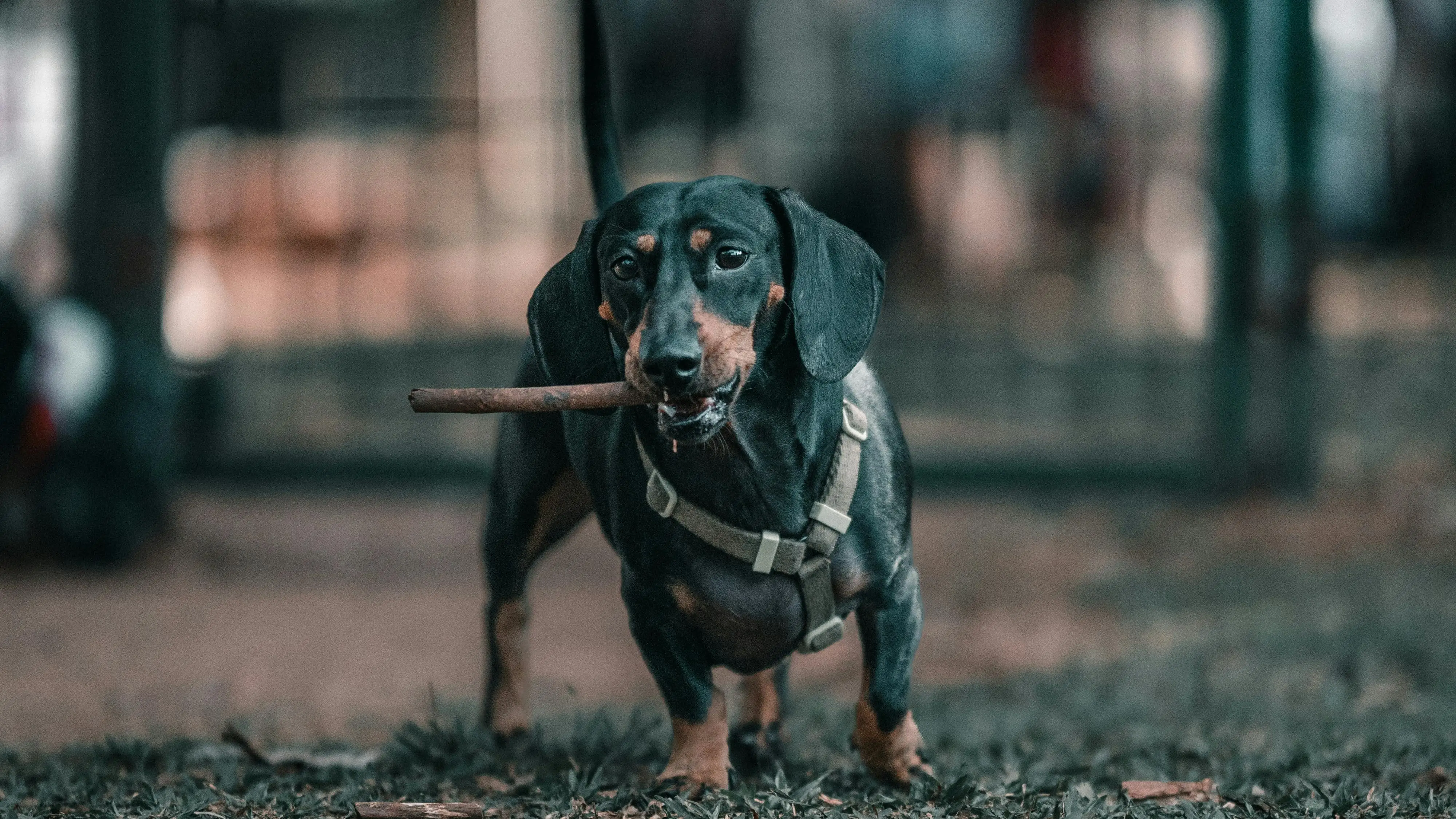
Regardless of the breed chosen, one crucial factor remains constant: proper training is imperative for hunting success. Training not only instills necessary skills in your dog but also fosters a deep bond between the handler and the canine companion. This connection plays a vital role in enhancing performance and ensuring a harmonious partnership in the field.
Understanding Different Learning Curves
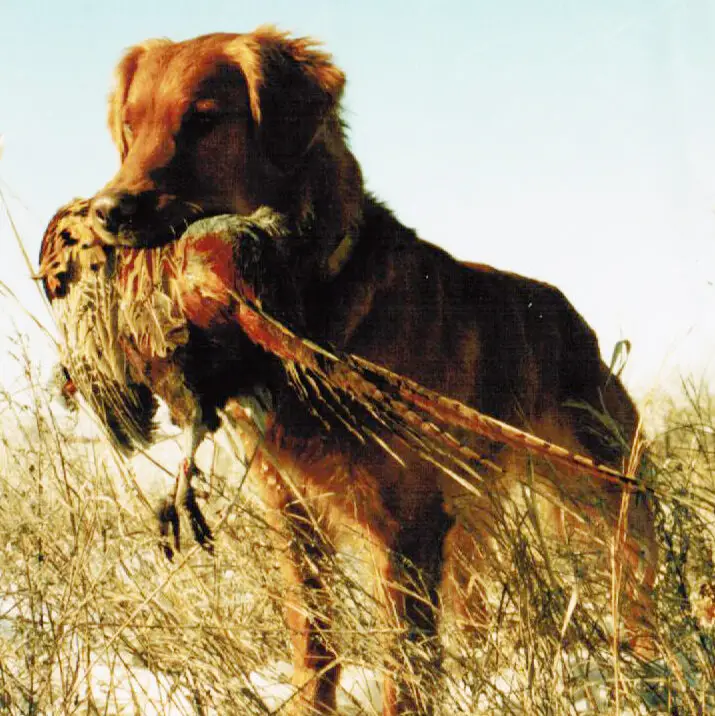
Each breed exhibits distinct learning curves, and understanding these nuances is essential for tailoring training methods effectively. For instance, Labrador and Golden Retrievers are generally quick learners, responding positively to commands and training cues. Their eagerness to please makes them prime candidates for developing complex skills needed in hunting scenarios.
Conversely, breeds like the German Shorthaired Pointer may present challenges due to their independent spirit. Although highly intelligent, these Pointers might require specialized training strategies that emphasize consistency, respect, and patience. Establishing a solid bond with such independent breeds often hinges on creating trust and mutual respect, leading to more fruitful learning experiences.
Building a Successful Training Regimen
A successful training regimen should encompass various elements, including consistency, positive reinforcement, and progressive exposure to hunting scenarios. Initiating training at an early age allows young dogs to acclimate to commands and expectations, laying the groundwork for a successful hunting partnership.
Utilizing positive reinforcement techniques, such as treats and praise, can significantly enhance the effectiveness of training. By associating desirable behaviors with rewards, hunters can accelerate the learning process and create a positive environment for their dogs. As training progresses, gradually introducing more complex tasks—such as retrieving from water or navigating uneven terrain—will challenge the dog’s skills while fostering confidence.
Additionally, simulated hunting experiences during training can be beneficial. Engaging in mock hunts, utilizing decoys, or exploring water sources will help dogs familiarize themselves with the sights, sounds, and scents they will encounter in actual hunting scenarios. This preparation not only enhances their performance but also builds excitement and motivation for future outings.
Nurturing a Strong Handler-Dog Relationship
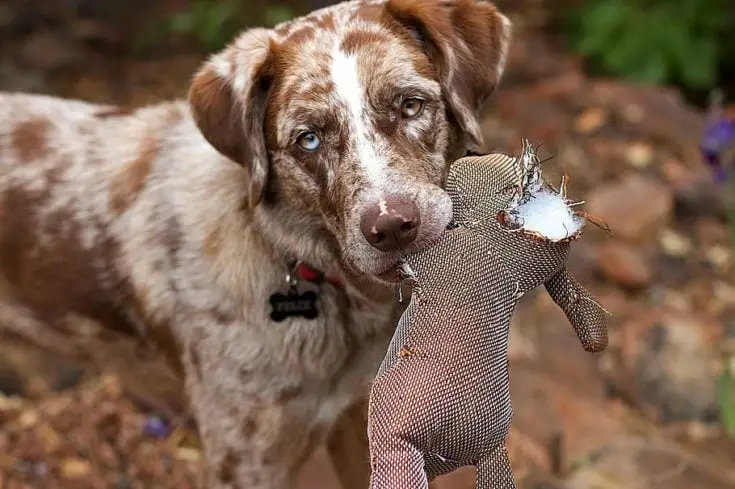
Ultimately, fostering a strong relationship between the handler and the dog is essential for optimizing hunting performance. Investing time in building trust and camaraderie through shared experiences—whether training or recreational outings—deepens the bond and creates a more cohesive team.
Engagement in activities beyond hunting can also enhance this connection. Regular opportunities for play, exercise, and interaction will keep your dog content and mentally stimulated, ready to perform when the time comes. Recognizing and responding to your dog’s unique personality, quirks, and preferences will contribute to a fulfilling partnership that extends far beyond the hunting season.
Considerations and Implications
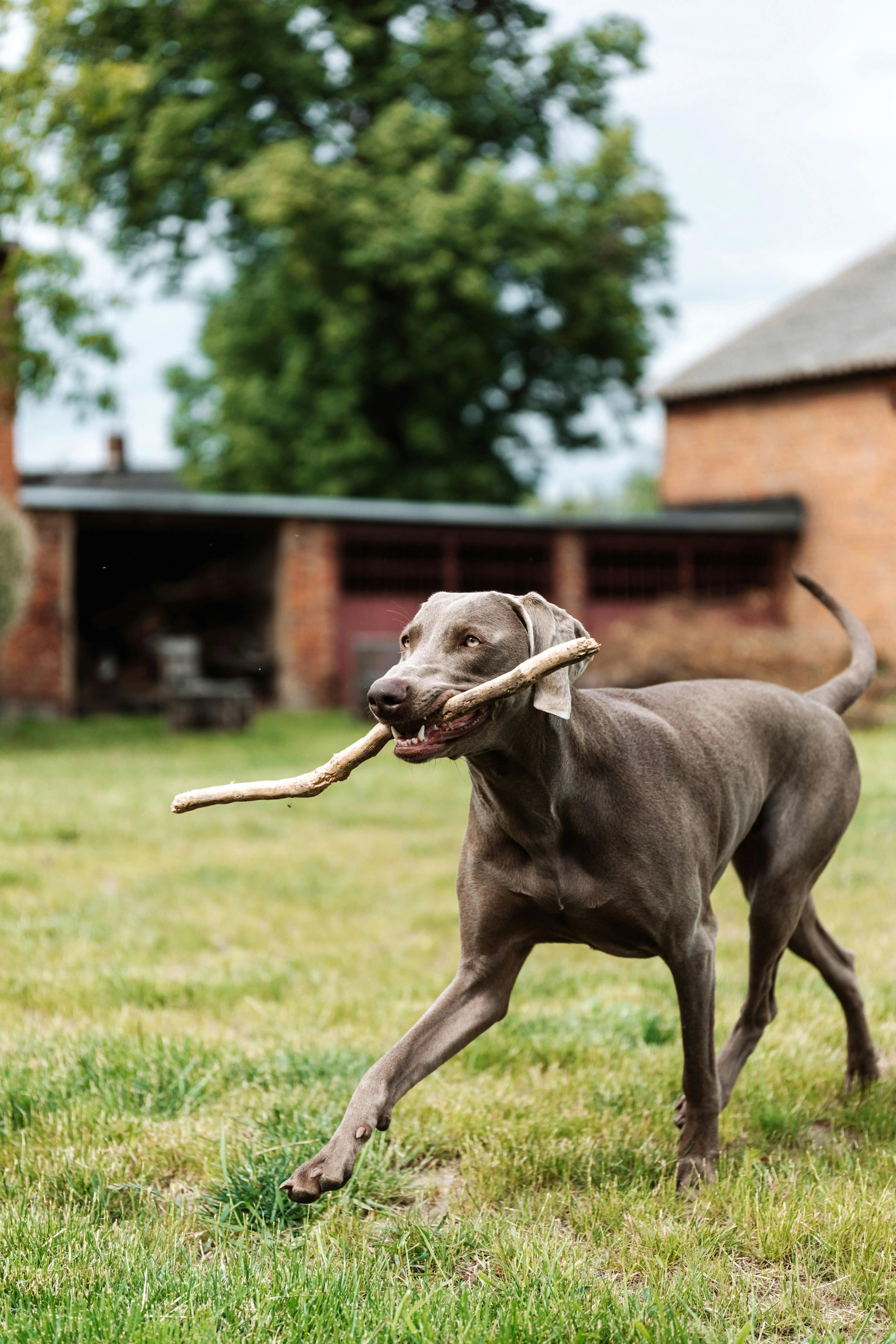
Choosing the right dog for duck hunting involves more than merely assessing each breed’s performance metrics; it invites a broader exploration of the intricate relationship between humans and dogs. The decision to welcome a hunting companion into one’s life engages deeper questions about the connections we forge with animals and how selective breeding shapes our experiences and expectations.
The Tradition of Selective Breeding
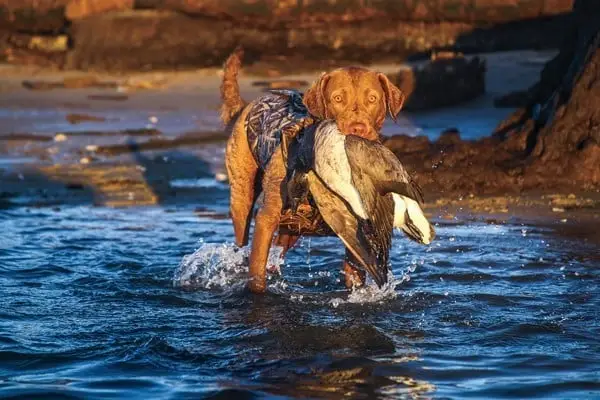
Selecting a hunting dog typically stems from a historical context—many of the breeds recognized today were developed over generations to fulfill particular roles in hunting. The Labrador Retriever, for example, was bred for retrieving game in water, reflecting the utility of its unique physical attributes and temperament for such tasks. This selective breeding has produced dogs that embody the traits desired by hunters over centuries, reinforcing the bond between species.
However, as we delve into this tradition, we must also contemplate the implications of such choices. The emphasis on specific traits for hunting efficacy often results in a narrowing of genetic diversity, which may lead to potential health concerns within certain breeds. Striking a balance between honing specific working traits and maintaining overall breed health becomes a vital consideration for prospective dog owners.
Evolving Partnerships: Nature Meets Nurture
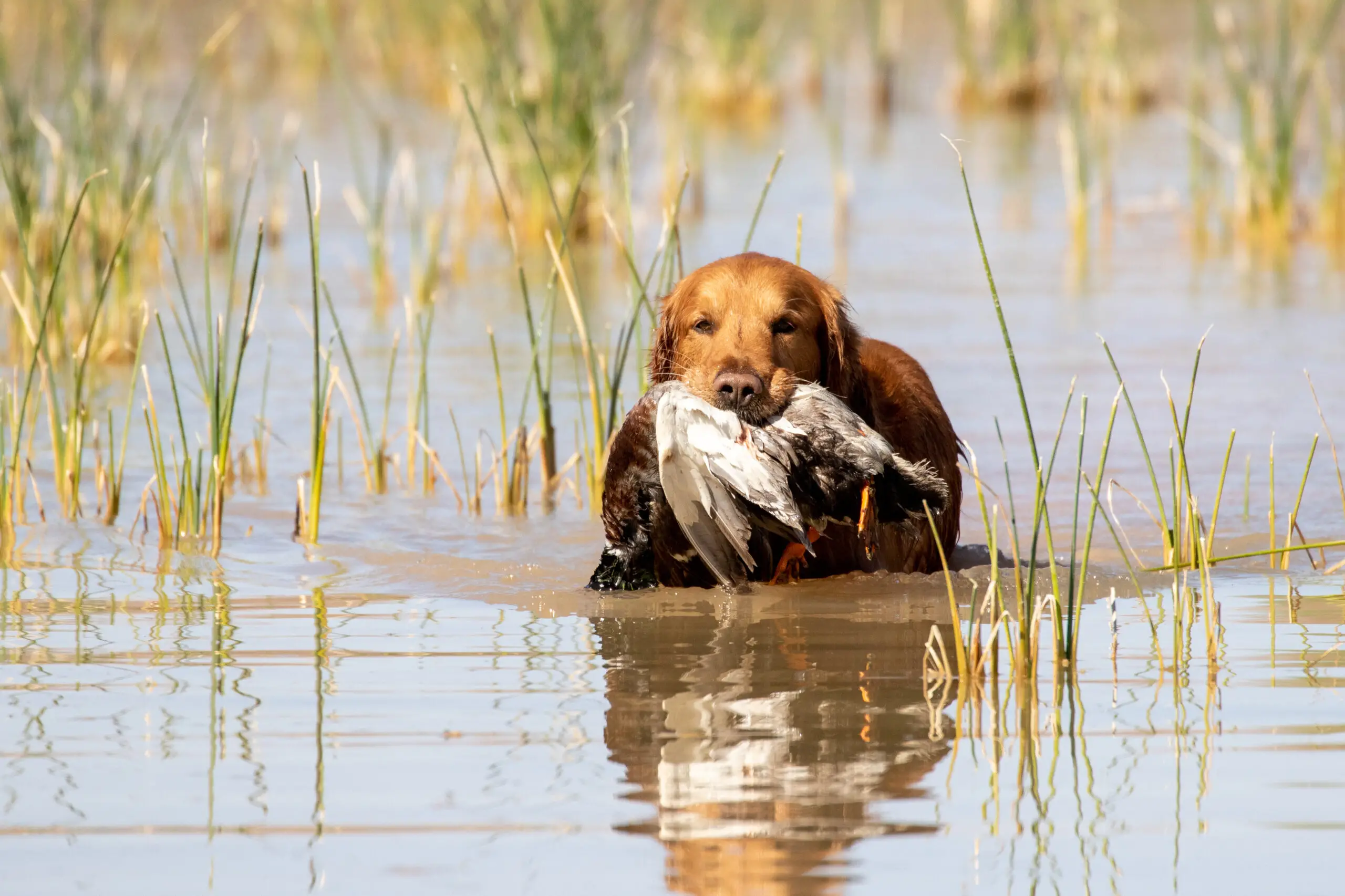
As society evolves, so too does the relationship between humans and their canine companions. The partnership transcends hunting efficiency or mere companionship; it embodies a deeper emotional connection that enriches the lives of both parties involved. The act of sharing experiences—whether in pursuit of waterfowl or engaging in daily activities—creates lasting memories and strengthens bonds.
This evolving dynamic evokes questions surrounding animal welfare and the ethical considerations inherent in breeding practices. The selection of breeds based on performance metrics must be balanced with an appreciation for the welfare of the animals involved. Choosing a hunting dog should involve an awareness of the responsibilities that accompany such decisions, including providing a loving home, appropriate training, and fulfilling their physical and mental needs.
Aligning Lifestyles and Values
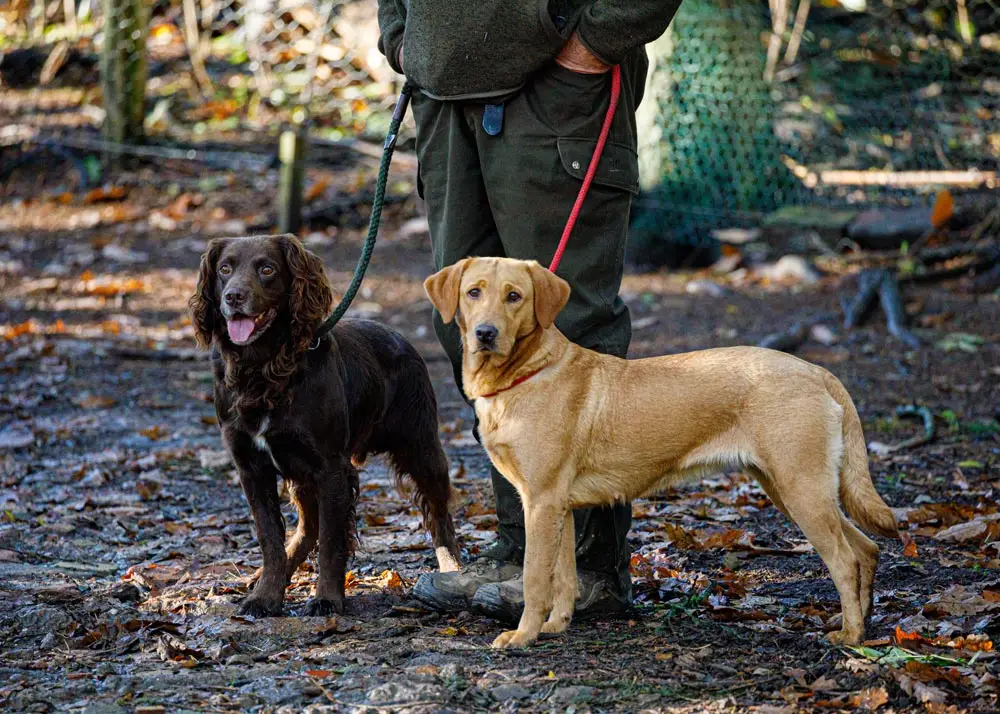
Ultimately, selecting a dog for duck hunting necessitates aligning personal values with lifestyle choices. Each breed brings its own unique set of characteristics, and identifying which resonates most strongly with an individual’s personality and hunting preferences is crucial in forming a fulfilling partnership.
Hunters should reflect on their hunting styles, preferred environments, and desired levels of engagement with their dogs. Some may prioritize high-energy breeds that thrive in rigorous outdoor pursuits, while others may seek calmer companions that complement more leisurely hunting experiences. Understanding one’s motivations and preferences aids in the selection process, leading to a deeper connection with the chosen breed.
Conclusion
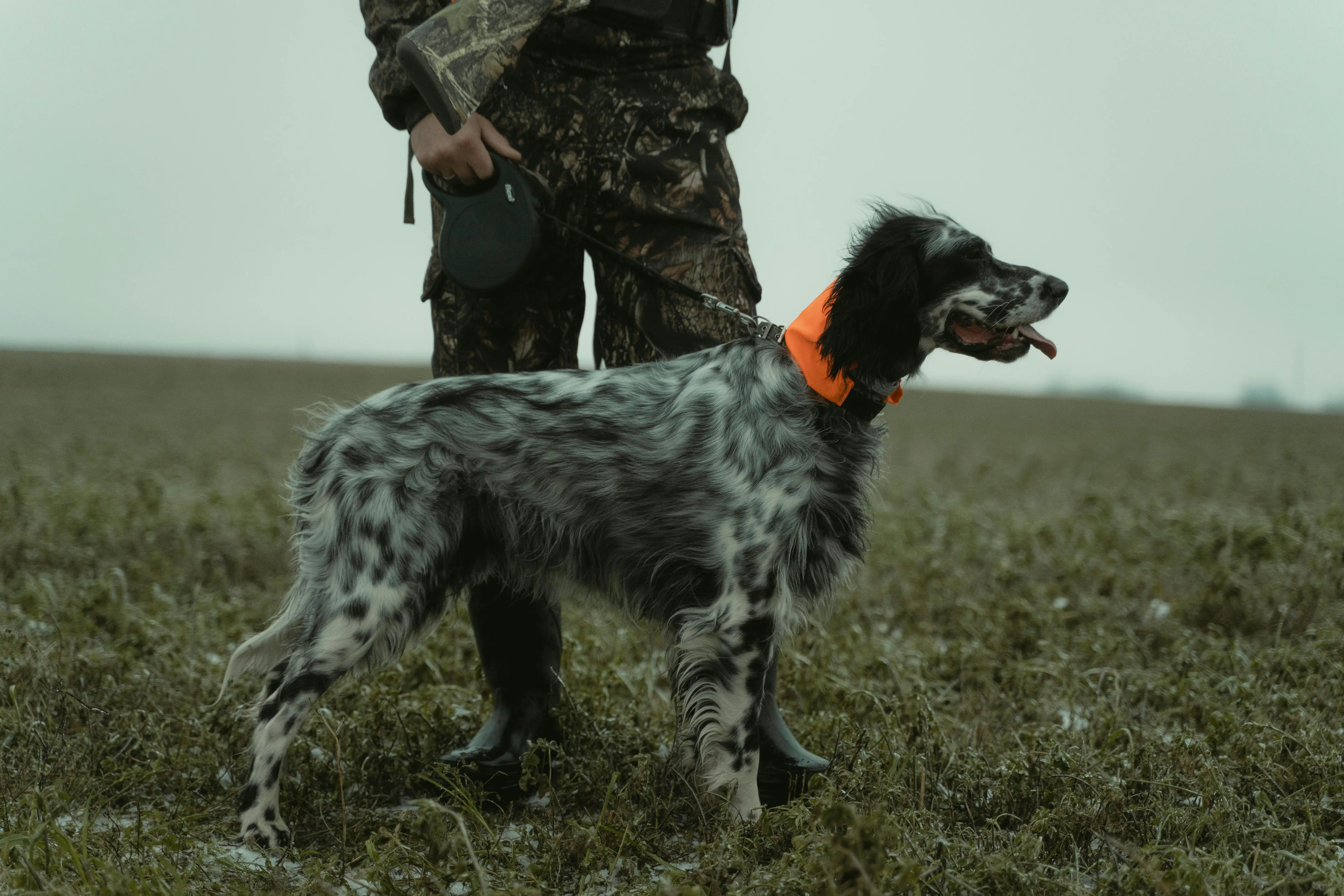
As hunters embark on the journey of selecting the best breed of dog for duck hunting, they are met with an array of choices that extend beyond mere performance. While the Labrador Retriever undoubtedly holds a prominent position in this realm, it is essential to explore the diverse options represented by breeds like the Chesapeake Bay Retriever, Golden Retriever, Boykin Spaniel, and American Water Spaniel.
At the heart of this endeavor lies the importance of proper training, the nurturing of relationships, and an awareness of the implications that accompany our choices. Ultimately, selecting a hunting dog is a profound commitment, blending the essence of tradition with modern values. It invites hunters to forge partnerships built on trust, love, and shared experiences, enriching their lives amid the resonant calls of nature and the thrill of the hunt. Every hunting season offers an opportunity to deepen connections—not only with the chosen breed but also with the enchanting world of outdoor adventure that awaits.
