
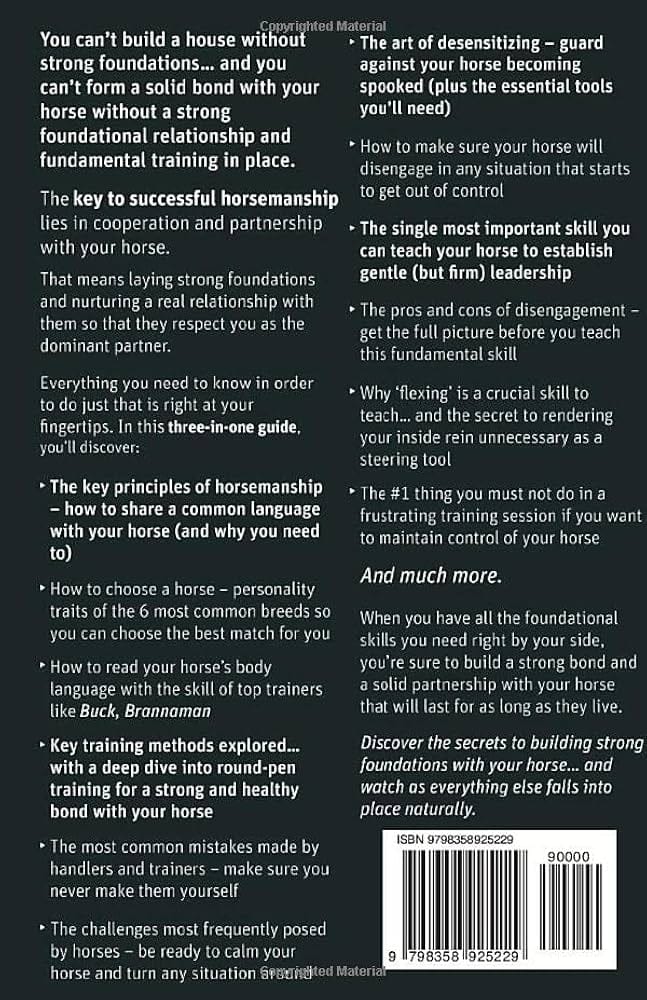
Horse training is a delicate dance between instinct and understanding, a profound connection forged through patience, consistency, and a deep respect for the animal. It’s not merely about teaching a horse to obey commands, but about building a partnership based on trust and clear communication. The journey of horse training, at its core, is about mastering the subtle language shared between human and equine, transforming raw potential into a harmonious collaboration.
The world of horse training encompasses a rich history, evolving from purely utilitarian methods to sophisticated approaches that prioritize the horse’s well-being and mental state. Modern training philosophies emphasize positive reinforcement and understanding equine psychology, moving away from harsh dominance-based techniques. This shift reflects a growing awareness of the horse as a sentient being, capable of complex emotions and learning. Embracing these principles not only benefits the horse but also leads to a more rewarding and effective training experience for the handler. For those seeking a deeper understanding of foundational techniques, exploring the classical principles of the art of training horses can provide invaluable insights into time-tested methods that still resonate today.
Understanding the Equine Mind
To effectively train a horse, one must first endeavor to understand how they perceive the world. Horses are prey animals, and their natural instincts revolve around herd dynamics, constant vigilance, and a deep-seated need for security. This means that fear can be a significant factor in their behavior, and a trainer’s primary role is to become a trusted leader, not a source of intimidation.
Prey Animal Instincts
A horse’s flight response is powerful. When faced with something they perceive as a threat, their first instinct is to run. Understanding this is crucial. Instead of forcing a horse through a fearful situation, a trainer should aim to desensitize them gradually, building confidence with each positive exposure. This patient approach helps the horse learn that the perceived threat is not actually dangerous, fostering a sense of safety around the handler.
Herd Mentality and Social Structure
Horses are highly social animals that thrive within a herd structure. They look to a leader for guidance and reassurance. In the training environment, the human takes on this leadership role. Establishing clear boundaries and consistent expectations helps the horse understand their place in this human-led “herd,” reducing anxiety and promoting cooperation. This social dynamic is fundamental to building a strong bond.
Learning Through Association
Horses learn primarily through association and consequence. They associate actions with outcomes. Positive outcomes, such as a release of pressure, a treat, or praise, encourage a desired behavior. Negative outcomes, conversely, can create fear and resistance. Effective training leverages this by rewarding correct responses and gently correcting or redirecting incorrect ones, always aiming for clarity.
Foundational Training Techniques
The groundwork for all successful horse training lies in mastering a few key foundational techniques. These methods are the building blocks upon which more complex skills are developed. Consistency and patience are paramount during this stage, as they lay the groundwork for a trusting relationship.
Halter Breaking and Leading
This is typically the first step in training. A young horse needs to learn to accept a halter and lead rope. The process involves associating the halter with positive experiences, such as gentle petting and reassurance. Leading involves teaching the horse to yield to pressure, moving forward when cued and stopping when asked. This teaches basic responsiveness and acceptance of human guidance.
Desensitization and Counter-Conditioning
Many training challenges stem from a horse’s fear of novel objects or stimuli. Desensitization involves gradually introducing the horse to something frightening at a low intensity, far below their reaction threshold, and slowly increasing the exposure as they remain calm. Counter-conditioning pairs the frightening stimulus with something positive, like treats or praise, changing the horse’s emotional response from fear to a more positive association. This is a critical skill for addressing phobias and anxieties.
Yielding to Pressure
A cornerstone of horse training is teaching the horse to yield to gentle pressure. This applies to various aspects, from yielding the head and neck to moving away from pressure on their body. It’s about teaching the horse that pressure applied by the handler is a cue, and that moving away from or responding to that pressure results in the release of the pressure, which is rewarding. This principle is the basis for many aids used under saddle.
Training Under Saddle
Once a horse is comfortable and responsive from the ground, training progresses to the saddle. This stage requires even more coordination, communication, and sensitivity from the rider. The goal is to integrate the rider’s aids seamlessly with the horse’s natural movement and understanding.
Introduction to the Saddle and Rider
This phase involves getting the horse accustomed to the weight and feel of a saddle, and then the rider. It’s a gradual process, ensuring the horse remains calm and accepting. The first rides are usually short, focusing on basic steering and stopping, always with positive reinforcement. The rider must learn to be a light and balanced influence, avoiding sudden movements or extraneous pressure that could confuse or frighten the horse. Exploring resources on breaking and training young horses can offer a structured approach to this critical period.
Leg Aids and Steering
Leg aids are fundamental for directing a horse’s movement. Applying pressure with the rider’s legs cues the horse to move forward, turn, or change gait. Understanding the nuanced application of leg pressure, combined with subtle weight shifts and rein cues, allows for precise steering and control. The horse learns to interpret these aids as clear directions, enabling intricate maneuvers.
Transitions and Gaits
Training a horse to transition smoothly between gaits (walk, trot, canter) and to halt is essential for riding. This involves teaching the horse to respond to the cues for each gait and to perform them with rhythm and balance. Mastering upward and downward transitions requires timing and clear communication from the rider, rewarding the horse for prompt and correct responses.
Advanced Training and Specialization
As a horse and rider team progresses, training can move into more advanced disciplines, requiring specialized techniques and a deeper level of understanding. Whether the goal is dressage, jumping, reining, or other equestrian sports, the underlying principles of trust and clear communication remain the same.
Dressage and Classical Horsemanship
Dressage focuses on developing the horse’s suppleness, balance, and responsiveness through a series of precise movements. It embodies the classical principles of the art of training horses, emphasizing harmony and collection. This discipline demands exquisite communication between horse and rider, where aids are almost imperceptible.
Jumping and Course Riding
For jumping disciplines, training involves developing the horse’s athleticism, courage, and ability to navigate a course of obstacles. This includes gymnastic exercises to improve jumping form and confidence-building techniques for tackling various types of jumps. Safety and confidence for both horse and rider are paramount. Learning about training horses to do tricks can sometimes inform creative approaches to gymnastic preparation, fostering agility and responsiveness.
Trail Riding and Versatility
Versatility in training means preparing a horse for various situations, including confident trail riding. This involves desensitizing the horse to trail obstacles like water crossings, bridges, and uneven terrain, as well as ensuring they remain calm in open spaces or around farm equipment. A versatile horse is a confident and reliable partner in diverse environments. Sometimes, the coordination required for such tasks can be enhanced by exploring exercises similar to those seen in slow horses episode 1 training exercise, focusing on controlled movement and focus.
Exhibition and Performance Training
Training horses for exhibition or performance often involves teaching them specific routines, such as training horses to dance or perform intricate maneuvers. This requires a high level of mutual understanding and a well-developed communication system between horse and handler, built on years of consistent, positive training.
The Ethical Imperative in Horse Training
Ethical horse training is not just a preference; it’s a necessity. It means prioritizing the horse’s physical and mental well-being above all else. This includes understanding their needs, respecting their limits, and always striving to create a positive and enriching experience for them.
Welfare and Respect
At the heart of ethical training lies a commitment to the horse’s welfare. This means avoiding practices that cause undue stress, pain, or fear. It involves providing appropriate living conditions, nutrition, and veterinary care, and ensuring that training methods are humane and scientifically sound. Respecting the horse means recognizing their individuality and responding to their specific needs and temperament.
Building Trust and Partnership
The ultimate goal of ethical horse training is to build an unbreakable bond of trust and partnership. When a horse trusts its handler, it is more willing to learn, more confident in its abilities, and more enjoyable to be around. This trust is earned through consistent, fair, and compassionate interactions, where the handler consistently acts in the horse’s best interest. This partnership is the true “art” of training horses.
The Art Of Training Horses is a lifelong learning process. It requires dedication, humility, and an open mind. By focusing on understanding, patience, and ethical practices, trainers can foster deep, meaningful connections with these magnificent animals, leading to a more fulfilling experience for both human and horse.
