
Have you ever heard a tale so simple yet so profound it sticks with you forever? The Arrogant Horse Story is one such classic, a powerful narrative passed down through generations to teach a vital lesson about pride and humility. This isn’t just a children’s fable; it’s a mirror reflecting a fundamental human flaw—the danger of looking down on others. In a world that often rewards confidence, this story serves as a crucial reminder that arrogance is a precarious perch from which anyone can fall. It explores how true strength is found not in boasting, but in quiet dignity and respect for all.
The core message of this fable is as relevant today as it was centuries ago, reminding us that circumstances can change in the blink of an eye. This theme of reversal of fortune is found in many tales, much like in the horse and the snail story, where the slow and steady often triumph over the fast and boastful.
The Tale of the Proud Warhorse
Once, in a bustling kingdom, lived a magnificent warhorse. His coat shone like polished mahogany, his muscles rippled with power, and his ornate saddle and bridle were adorned with brass that gleamed in the sun. He was the pride of the king’s stable, celebrated for his speed, strength, and courage in battle. Every day, he would prance through the city streets, his head held high, snorting with disdain at the common beasts of burden.
His favorite target of scorn was a humble donkey that often shared the same road. The donkey was small, dusty, and perpetually laden with heavy sacks of grain for the local miller.
“Out of my way, you pathetic creature!” the horse would thunder, his hooves clattering loudly on the cobblestones. “Can’t you see a champion passes? Your slow, clumsy gait is an insult to this road. You are fit only for dust and drudgery.”
The donkey would simply sigh, flatten his long ears, and plod patiently to the side, never offering a word in return. His silence only fueled the horse’s arrogance. The horse believed his fine trappings, his noble purpose, and his powerful build made him inherently superior. He saw the donkey’s quiet labor as a sign of weakness and inferiority, failing to recognize the resilience and strength it required.
A Sudden Twist of Fate
Then, war broke out in a distant land. The king rode the proud horse into a fierce battle. The horse charged bravely, but in the chaos of the fight, he suffered a severe leg injury from an enemy spear. He was no longer swift, no longer fit for a king or for the glorious theater of war. His battlefield days were over.
No longer a symbol of royal power, the once-proud horse was sold to a common farmer. His fine saddle was replaced with a rough, worn-out harness. His diet of fine oats and sweet apples was switched to coarse hay. His new job was to haul heavy loads of manure and firewood from dawn until dusk. The work was grueling, the days were long, and his injured leg ached constantly.
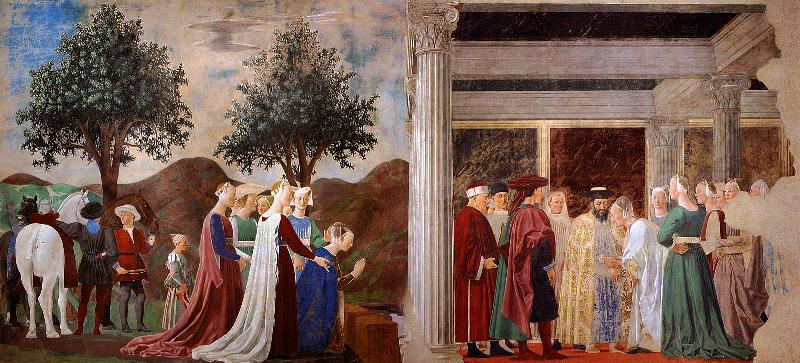 An illustration for the arrogant horse story, showing a proud, decorated horse looking down on a humble animal.
One scorching afternoon, as he was struggling to pull a heavy cart up a steep, dusty hill, he saw a familiar figure. It was the miller’s donkey, trotting lightly down the path, his work for the day already done. The donkey stopped, looked at the horse now covered in sweat and grime, and saw the deep exhaustion in his eyes.
The horse, remembering his past cruelty, lowered his head in shame, expecting to hear words of mockery. But the donkey said nothing of the sort. Instead, he simply said, “Friend, it looks like a heavy load. Let me help you.” And with that, the donkey positioned himself beside the horse and helped push the cart to the top of the hill.
The horse was stunned into silence, his heart filled with a profound sense of shame and gratitude. He finally understood. The donkey’s humble spirit was not a weakness but a profound strength.
The Moral of the Arrogant Horse Story
The central lesson of this story is a powerful and universal truth: pride comes before a fall. The horse’s arrogance was built on a foundation of temporary circumstances—his strength, his beauty, and his prestigious position. When those circumstances changed, his pride was shattered, leaving him humbled by the very life he once scorned.
This fable teaches us several important things:
- Humility is a Virtue: The donkey represents the virtue of humility. He endures scorn without complaint and offers help without expecting reward. His character shows that true worth is not defined by external appearances or status but by inner strength and kindness.
- Respect Every Individual: The horse’s mistake was judging the donkey based on his lowly job and dusty appearance. The story warns against the folly of looking down on others, as we can never truly know their struggles or predict our own future.
- Life is Unpredictable: Fortune is fickle. The story is a potent reminder that status, wealth, and physical ability can be lost in an instant. Therefore, it is wise to treat everyone with kindness, as one day we may find ourselves in need of their help.
As folklorist Dr. Alistair Finch notes, “Fables like the arrogant horse story have survived for centuries because they distill a complex human experience into a simple, memorable narrative. They teach empathy by forcing us to see the world from another’s perspective and warn us that the same wheel of fortune that lifts us up can also bring us down.”
Why Arrogance Blinds Us
Arrogance acts as a blinder, preventing us from seeing the world clearly. The proud horse was so consumed by his own self-importance that he couldn’t see the donkey’s resilience, patience, and quiet strength. This is a common theme, contrasting sharply with narratives of grit and determination like the one you might find in a story about slow horses story.
In human terms, arrogance can lead to:
- Poor Decision-Making: When we believe we are always right, we stop listening to others and fail to consider alternative viewpoints.
- Alienation: Constantly boasting and belittling others pushes people away. It creates resentment and ensures that few will be there to support you when you stumble.
- Stagnation: An arrogant person believes they have nothing left to learn. This attitude halts personal growth and leaves one vulnerable when new challenges arise.
The horse’s downfall was not just his injury, but his inability to empathize and connect with those he deemed “beneath” him.
Applying the Lesson in Modern Life
While we may not be warhorses or donkeys, the dynamic of pride and humility plays out in our lives every day. It can be seen in the workplace, in schools, and even within families. A manager who belittles their employees, a student who scoffs at their peers, or a person who flaunts their wealth are all modern versions of the arrogant horse.
The story encourages us to practice empathy and self-awareness. Before judging someone, we should consider their journey. Before boasting about our own accomplishments, we should remember the role that luck and circumstance play in our lives.
The donkey’s final act of kindness is perhaps the most important part of the story. He had every right to gloat, yet he chose compassion. This teaches us that true nobility lies in having the power to humble someone but choosing to help them instead. It’s a lesson in grace and the quiet strength that comes from a humble heart. There are many stories that delve into the complex relationship between humans and animals, such as what’s explored in a man called horse short story, which further highlights these themes of respect and understanding.
In the end, the arrogant horse story is a timeless guide to navigating the complexities of life. It reminds us to walk with confidence but not with arrogance, to be proud of our achievements but never to use them as a weapon against others, and to remember that a helping hand is far more powerful than a scornful glance.
Frequently Asked Questions (FAQ)
What is the main theme of the arrogant horse story?
The main theme is that pride and arrogance lead to a downfall. It champions the virtues of humility, kindness, and respecting others, regardless of their station in life, because fortunes can change unexpectedly.
Who are the main characters in the story?
The two main characters are the arrogant horse, who is initially proud, strong, and holds a high position, and the humble donkey, who is patient, hardworking, and kind, representing the opposite virtues.
What is the turning point in the fable?
The turning point occurs when the horse is injured in battle. This event strips him of his status, strength, and pride, forcing him into a life of hard labor that he previously despised.
How does the story end?
The story ends with the humbled horse struggling with his new life, only to be helped by the very donkey he once mocked. This act of kindness from the donkey teaches the horse a final, powerful lesson in humility and grace.
Is there a specific origin for this fable?
While variations of this tale exist across many cultures, it is often attributed to the collection of Aesop’s Fables. The core story of a proud animal being humbled by circumstance is a classic archetype in folklore worldwide.
How is this story relevant for adults?
For adults, the story serves as a powerful metaphor for workplace dynamics, social status, and personal relationships. It is a reminder to remain humble in success, to treat colleagues and acquaintances with respect, and to avoid the blinding nature of arrogance which can lead to isolation and failure.
