
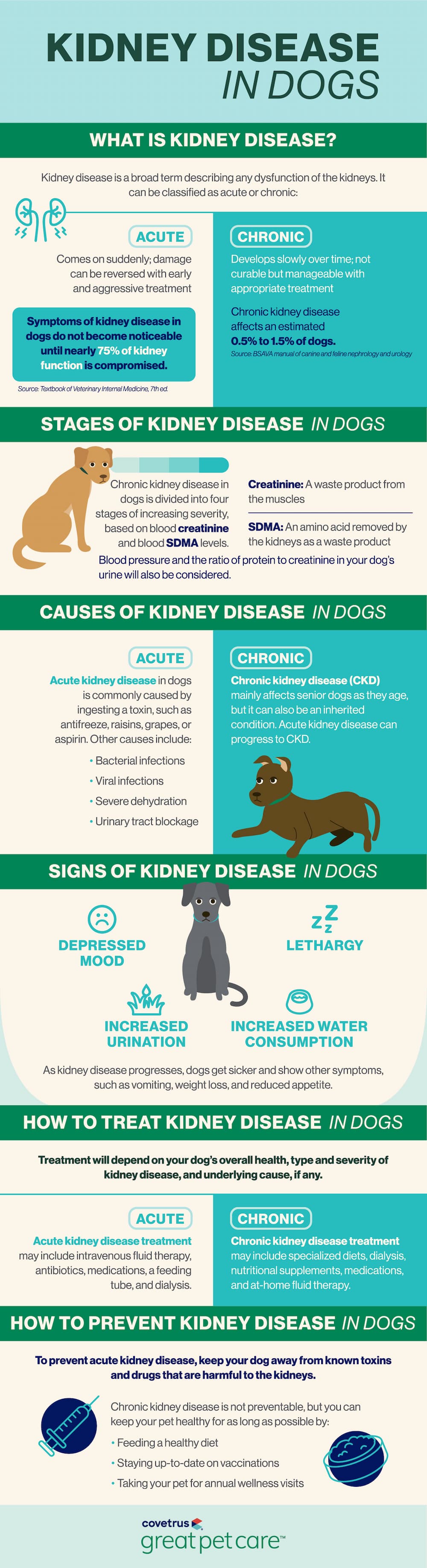
As our beloved canine and feline companions enter their golden years, the prevalence of kidney disease and failure unfortunately increases. These conditions are among the most common health concerns seen in pets aged eight and older. While a diagnosis of kidney disease can be serious, early detection through prompt and accurate diagnostic testing significantly improves the chances of successful treatment, and in some cases, even a cure. This article explores the crucial tests veterinarians utilize to identify kidney issues in aging pets, emphasizing the importance of a proactive approach to their health.
Understanding Kidney Disease in Pets
Kidney disease, also known as renal disease, and kidney failure, or renal failure, impact a substantial number of older dogs and cats. The kidneys play a vital role in filtering waste products from the blood, regulating blood pressure, and maintaining electrolyte balance. When kidney function deteriorates, these essential processes are compromised, leading to a buildup of toxins in the body.
Key Diagnostic Tests for Kidney Health
A comprehensive diagnostic approach involving various tests is essential for accurately assessing kidney function and identifying disease early.
Blood Tests: The First Line of Defense
Blood work is a cornerstone of diagnosing kidney disease. Several key markers are evaluated:
- Blood Urea Nitrogen (BUN): BUN measures the amount of urea nitrogen in the blood, a waste product formed in the liver and excreted by the kidneys. An elevated BUN can indicate impaired kidney function, though it typically only rises significantly when 60-70% of kidney function is lost. BUN levels can also be influenced by diet, muscle mass, and recent exercise, requiring careful interpretation.
- Creatinine: Creatinine is another waste product derived from muscle metabolism, filtered by the kidneys. Similar to BUN, creatinine levels usually elevate significantly only when kidney function has declined by 60-70%. While also affected by muscle mass and diet, it is generally considered a more specific indicator of kidney function than BUN. Blood panels including only BUN and creatinine are effective for diagnosing later-stage kidney disease but may miss very early signs.
- Symmetric Dimethylarginine (SDMA): This newer test measures SDMA, an amino acid that reflects kidney filtration. SDMA levels can increase as early as 12 to 36 months before BUN and creatinine show abnormalities, indicating kidney damage as low as 25%. This early indicator allows for intervention much sooner than traditional markers.
- Phosphorus and Calcium Levels: Measuring blood levels of phosphorus and calcium can also provide insights into kidney health. Elevated phosphorus, in particular, is often indicative of severe kidney damage. Pets with high phosphorus and elevated kidney enzymes generally face a poorer prognosis and are more challenging to treat.
Infectious Disease Testing: Ruling Out Contagious Causes
Certain infections can directly impact kidney health. It’s crucial to test for these, especially when symptoms are present:
- Leptospirosis: This bacterial infection, often transmitted through the urine of infected animals (particularly rodents), is a common cause of kidney disease in dogs. Early diagnosis and treatment are critical, as leptospirosis is zoonotic, meaning it can be transmitted to other animals and humans. Leptospirosis titers can help diagnose the infection, though results may be affected by prior vaccination.
Urinalysis: A Window into Kidney Function
A urinalysis is an invaluable tool that veterinarians often underutilize. It provides complementary information to blood tests and can reveal issues not detectable through blood work alone:
- Early Protein Loss: A urinalysis can detect early loss of protein (albumin) in the urine, a common sign in dogs with kidney disease that requires prompt treatment to prevent further complications.
- Indications of Other Diseases: The presence of glucose or ketones in the urine can suggest diabetes mellitus.
- Microscopic Examination: Microscopic analysis of urine can identify signs of inflammation, infection, bleeding, cancer, or bladder stones. Veterinarians recommend a urinalysis at least every six months for older pets.
Urine Culture: Confirming and Targeting Infections
A urine culture is essential for confirming the presence of a bacterial infection in the kidneys or bladder and identifying the specific bacterium responsible.
- Antibiotic Susceptibility: The culture also determines which antibiotics are effective against the identified bacteria. This helps avoid unnecessary antibiotic use and prevents the development of antibiotic resistance. A follow-up culture after antibiotic treatment is recommended to ensure the infection has been fully eradicated.
Radiography (X-rays): Visualizing Internal Structures
Radiography uses low-dose X-rays to image the internal structures of the body. For pets with suspected kidney issues, X-rays can help detect kidney stones or tumors. While helpful, ultrasonography often provides more detailed information about kidney tissue.
Ultrasonography: Detailed Imaging of Kidney Tissues
Ultrasonography employs sound waves to create detailed images of organs. It is particularly useful for identifying the causes of unexplained illnesses or when screening tests for inflammation and cancer are abnormal. Ultrasound is safe, typically performed on awake animals, and offers a different imaging perspective than radiographs, making both tests valuable when investigating kidney health.
Proactive Monitoring and Veterinary Partnership
A variety of diagnostic tests are available to evaluate your pet’s urinary system. Working closely with your veterinarian is paramount to ensure the most appropriate tests are performed for early and accurate diagnosis. Ongoing monitoring through regular testing is a vital component of a holistic approach to senior pet care, allowing for timely adjustments to treatment plans as needed. By staying informed and partnering with your vet, you can maximize your pet’s chances of living a longer, healthier life, even in the face of age-related health challenges.
