
The Tennessee Walking Horse, with its unique running walk and gentle nature, is a favorite among equestrians. While hands-on experience is irreplaceable, Tennessee Walking Horse Training Videos have become an essential tool for both novice and seasoned riders. They offer a window into the nuanced world of gaited horse training, providing visual cues and expert commentary that can transform your understanding and approach, helping you build a stronger, more harmonious partnership with your horse.
At the heart of this breed are its famous gaits: the flat walk and the running walk. Understanding these is the first step. The flat walk is a brisk, four-beat gait where you can see a distinct head nod in rhythm with the horse’s feet. It’s faster than a regular walk, covering ground efficiently and smoothly. The running walk is an accelerated version of the flat walk, a graceful, gliding motion where the horse’s back foot oversteps the track of its front foot, a trait known as “overstride.” This is what creates that signature smooth ride. Quality training videos are invaluable for learning to see and feel the difference between these gaits and a pace or trot. A great place to start is by consulting a professional [tennessee walking horse trainer](https://dogcarestory.com/tennessee-walking-horse-trainer/) who can provide foundational knowledge.
What to Look for in Quality Training Videos
Not all training videos are created equal. With a sea of content available online, it’s crucial to identify videos that promote sound, ethical, and effective training methods. The best instructional videos share a few key characteristics that set them apart and ensure you and your horse are on the right path.
Key Elements of a Good Training Video
- Clear, Step-by-Step Instructions: The trainer should break down complex actions into simple, manageable steps. Whether it’s asking for the flat walk or introducing lateral movements, the process should be easy to follow.
- Focus on Horse and Rider Connection: Look for videos that emphasize communication and building a partnership. The goal isn’t just mechanical perfection but a willing and relaxed horse that understands what is being asked.
- Ethical and Humane Methods: The training should be based on positive reinforcement and natural horsemanship principles. It is vital to avoid content that displays or condones any form of abuse. Sadly, the breed has a history with inhumane practices, making it crucial to understand what
[cruel horse training methods](https://dogcarestory.com/cruel-horse-training-methods/)look like to ensure you avoid them entirely. - Multiple Camera Angles: Good videos often show the action from different perspectives—side-on, front-on, and overhead—so you can clearly see the rider’s aids and the horse’s footfalls.
- Real-World Scenarios: Videos that show trainers working with different horses, including those with challenges, are often more valuable than those that only feature perfectly trained animals.
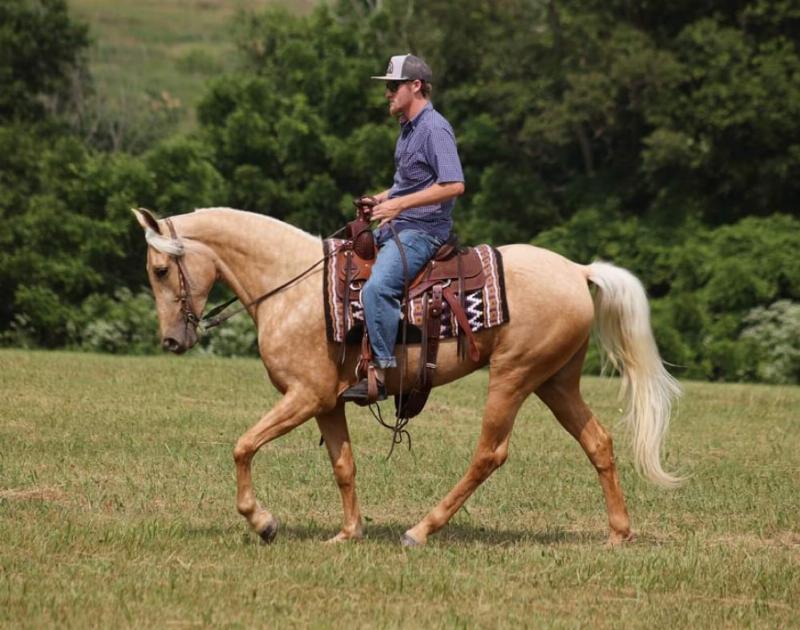 A rider on a Tennessee Walking Horse performing a smooth running walk, with text overlay explaining key features of the gait
Starting with Groundwork Essentials
Before you ever swing into the saddle, the foundation of a great riding horse is built on the ground. Groundwork establishes respect, trust, and clear communication. Training videos that focus on this initial phase are incredibly valuable, as they teach you how to read your horse’s body language and establish yourself as a confident leader.
Why Groundwork Videos are a Must-Watch
Groundwork is more than just lunging. It’s about teaching your horse to yield to pressure, to be respectful of your space, and to follow your lead. Key exercises you’ll see in groundwork videos include:
- Leading and Haltering: Establishing basic manners and control.
- Lunging: Teaching the horse to move in a circle, respond to voice commands, and find its balance without a rider.
- Yielding the Hindquarters and Forequarters: These exercises establish control over the horse’s body and are foundational for more advanced movements under saddle.
- Backing Up: A simple exercise that reinforces your position as the leader.
Watching a video allows you to observe the subtle cues the trainer uses—a flick of the rope, a shift in body weight, a softening of the eyes. These are the details that often get lost in written text but are crystal clear on screen.
Under Saddle: From First Rides to Perfecting the Gait
Once you have a solid foundation on the ground, it’s time to apply those principles in the saddle. Tennessee Walking Horse training videos that cover the under-saddle experience are perhaps the most sought-after, as they get to the core of this breed’s unique talents.
How Videos Help Refine Your Riding
When riding a gaited horse, the rider’s posture and aids are critical for encouraging the correct gait. A common beginner mistake is to ride with too loose a rein or, conversely, to pull too hard, disrupting the horse’s natural rhythm. Videos can help you visualize the correct contact.
“You should feel a little pull on both sides of her mouth, not just the left,” one trainer might advise. “The left you’re squeezing and relaxing, but the right should be a steady pull.”
This kind of specific, actionable advice is what makes video learning so powerful. You can see how a rider maintains a light but steady contact to keep the horse’s head straight, encouraging the up-and-down nod of a true walk rather than unwanted side-to-side motion. Trainers in videos often emphasize using your legs and seat to drive the horse forward into the bridle, creating the energy needed for that beautiful, ground-covering running walk.
Troubleshooting Common Problems
What happens when your horse gets “pacey” or breaks into a trot? This is where training videos shine. They can show you exactly how a trainer corrects these issues in real-time. You might see a demonstration of:
- Using Half-Halts: To rebalance the horse and keep a consistent speed.
- Riding on Hills: Using an incline to naturally encourage the horse to engage its hindquarters, which can improve a pacy gait.
- Circles and Bending: Using circles to encourage the horse to soften, bend, and step under itself, which helps break up a stiff, lateral pace.
By watching these corrections, you can build a mental toolbox of techniques to use when you encounter similar issues with your own horse.
Advanced Techniques and Canter Work
While famous for their walks, Tennessee Walking Horses also have a lovely, rocking-chair canter. This three-beat gait should be just as smooth and comfortable as the walk. Training videos dedicated to the canter can help you learn the proper cues to ask for this gait without disrupting the horse’s rhythm or causing anxiety.
Videos for more advanced riders might cover topics like:
- Improving Collection: Teaching the horse to carry itself in a more athletic frame, with its hindquarters engaged and its back lifted.
- Lateral Movements: Introducing exercises like side-passing and leg yields to improve suppleness and responsiveness.
- Trail and Obstacle Work: Applying your training in real-world scenarios to build a confident and reliable trail partner.
Whether you are just starting your journey with a Tennessee Walking Horse or looking to refine your skills, training videos are an indispensable resource. They provide the visual instruction necessary to understand the unique gaits of this breed and promote a training philosophy built on patience, communication, and ethical horsemanship. By choosing the right videos, you can unlock your horse’s natural talent and enjoy the smoothest ride of your life.
Frequently Asked Questions (FAQ)
How do you get a Tennessee Walking Horse to do its running walk?
The key is to start with a strong, energetic flat walk. From there, you use your legs to ask for more speed while maintaining light, steady contact with the reins to keep the horse’s frame. It’s about encouraging forward motion without letting the horse break into a trot or pace. Hills are excellent for helping the horse find this gear naturally.
Are Tennessee Walking Horses easy to train?
Their famously calm and willing temperament generally makes them easier to train than many other breeds. They are intelligent and people-pleasing. However, training them to perform their gaits correctly requires skill and patience, as riders need to develop a specific “feel” to encourage and maintain the running walk.
What is the difference between a flat walk and a running walk?
Both are smooth, four-beat gaits. The flat walk is a brisk walk, covering about 3-5 miles per hour. The running walk is the same gait, just faster, covering 8 miles per hour or more. The key visual difference is the speed and the amount of overstride—the hind foot stepping over the track made by the front foot.
Can you canter on a Tennessee Walking Horse?
Yes! They have a natural, rolling three-beat canter that is often called the “rocking chair” canter because it’s so comfortable and smooth. Proper training ensures the horse can pick up and maintain a relaxed, balanced canter on both leads.
Why is it important to watch for ethical training methods in videos?
The Tennessee Walking Horse breed has been associated with the abusive practice of “soring,” where chemicals or devices are used to exaggerate their gait for the show ring. It’s crucial to support trainers and watch content that promotes natural, humane, and ethical training based on good horsemanship to protect the welfare of these incredible animals.
