
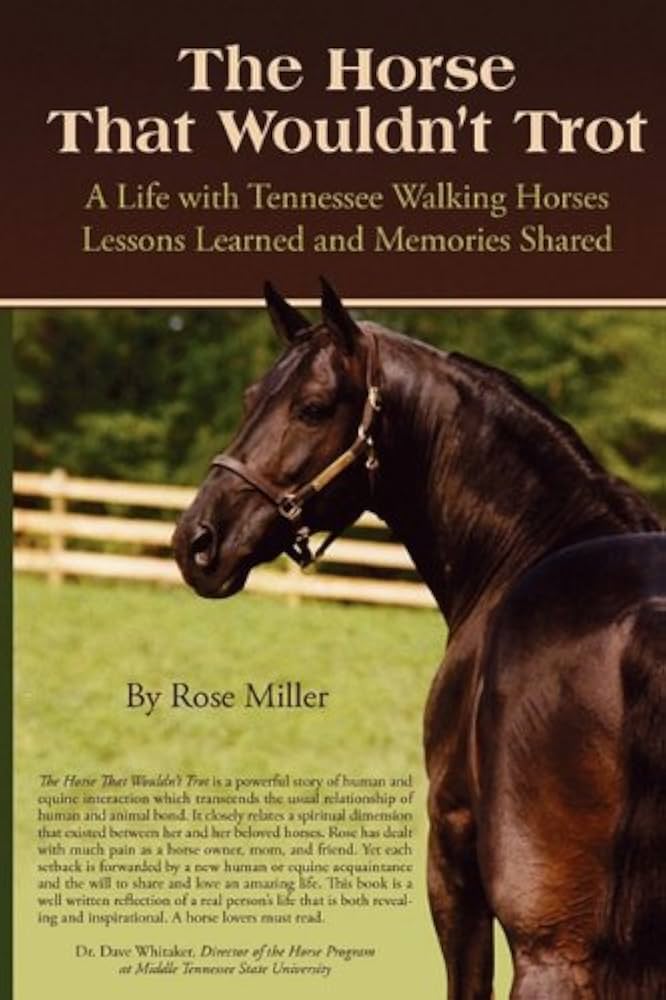
The Tennessee Walking Horse, renowned for its smooth gaits and gentle disposition, is a breed that captivates riders and spectators alike. Training these magnificent animals requires a nuanced approach, blending patience, understanding, and a deep respect for their natural abilities. Whether you’re a seasoned equestrian or embarking on your journey with a Walking Horse, mastering effective training methods is key to unlocking their full potential and fostering a harmonious partnership. This guide delves into the core principles and techniques that define successful Tennessee Walking Horse training, ensuring your horse is not only well-behaved but also a joyful companion.
Understanding the Tennessee Walking Horse
Before diving into training specifics, it’s crucial to appreciate the unique characteristics of the Tennessee Walking Horse. Bred for comfort and endurance, they are known for their signature smooth gaits: the “running walk,” the “slow gait,” and the “canter.” These gaits are a product of selective breeding and natural conformation, and training should aim to enhance, not force, these natural movements. Their temperament is generally calm, intelligent, and willing, making them highly trainable. However, like all horses, they respond best to consistent, positive reinforcement and clear communication. Understanding their physical attributes and inherent nature is the foundation upon which all effective training is built.
Foundational Training Principles
At the heart of any successful horse training program, especially for a breed as responsive as the Tennessee Walking Horse, are a few core principles:
- Patience and Consistency: Horses thrive on routine and predictability. Inconsistent commands or expectations can lead to confusion and frustration for both horse and handler. Approach each training session with patience, understanding that progress may not always be linear.
- Positive Reinforcement: Rewarding desired behaviors is far more effective than punishing unwanted ones. This can include verbal praise, a gentle scratch, or a small treat. Positive reinforcement builds trust and encourages the horse to repeat good actions.
- Clear Communication: Horses communicate through body language, and handlers must learn to interpret these signals. Equally important is using clear, consistent cues—whether vocal or physical—that the horse can understand. Avoid ambiguity in your commands.
- Building Trust: The handler-horse relationship is paramount. Trust is earned through fair treatment, consistent handling, and demonstrating that you are a reliable leader. A trusting horse is more willing to learn and work with you.
- Understanding Natural Gaits: Training should focus on refining and showcasing the natural gaits of the Tennessee Walking Horse, rather than trying to impose unnatural movements. This means understanding the biomechanics of the running walk and other gaits.
Essential Training Techniques and Methods
Several training methods have proven particularly effective for Tennessee Walking Horses. The key is often to adapt these techniques to the individual horse’s personality and learning style.
Groundwork: The First Step
Groundwork lays the essential foundation for all ridden work. It’s where you establish communication, build trust, and teach basic obedience.
- Leading and Haltering: Teach your horse to accept the halter and lead calmly. Ensure they walk beside you without pulling or lagging. This teaches respect for personal space and responsiveness to direction.
- Lunging: Lunging helps develop the horse’s responsiveness to voice commands and body language at a distance. It’s also useful for assessing their gaits and building fitness. Ensure you use clear cues and reward attentive behavior.
- Desensitization: Exposing your horse to various stimuli—like tarps, poles, or strange objects—in a controlled manner helps them become less reactive. This is crucial for ensuring they remain calm in different environments and situations, much like understanding natural horse training methods involves gradual exposure.
- Working on the Longe Line: This is an excellent way to teach voice commands for different gaits and to encourage suppleness. It allows the horse to move freely while responding to your cues.
Riding and Gait Training
Once a solid foundation is established on the ground, you can transition to ridden work, focusing on refining gaits and responsiveness.
- Introducing the Saddle and Bridle: Ensure tack fits properly and is introduced gradually to avoid creating anxiety. Allow the horse to become comfortable with the feel of the saddle and bridle.
- Developing the Running Walk: This signature gait requires subtle cues. Often, a gentle leg cue and a relaxed seat are enough to encourage the horse into a smooth running walk. Avoid over-cueing, which can make the gait choppy. Training sessions should include opportunities to practice this gait extensively. For those looking for specific visual guidance, resources like tennessee walking horse training videos can be invaluable.
- Refining the Slow Gait and Canter: These gaits also require precise cues. The slow gait is a more collected, rhythmic amble, while the canter is a controlled, balanced three-beat gait. Practice transitioning smoothly between gaits.
- Transitions: Teaching smooth transitions between gaits (e.g., walk to running walk, running walk to canter, canter to halt) is a sign of a well-trained horse and a responsive partnership. Practice these frequently in varied settings.
- Turning and Maneuvering: Ensure your horse responds accurately to rein and leg aids for turns, circles, and other maneuvers. This demonstrates control and responsiveness.
Addressing Common Training Challenges
Even with the best intentions, challenges can arise. Understanding common issues and their solutions is part of effective training.
- Resistance or Spooking: If a horse becomes resistant or spooked, it’s often due to fear or confusion. Go back to groundwork, desensitize them to the trigger, and ensure your cues are clear. Never punish fear; instead, build confidence.
- Choppy Gaits: If the running walk becomes choppy, it may be due to tension, over-cueing, or lack of suppleness. Relax your own body, use softer cues, and incorporate exercises that encourage looseness, such as serpentines.
- Tension or Rigidity: A tense horse cannot perform its gaits smoothly. Focus on relaxation exercises, stretching, and ensuring the horse feels safe and confident with your aids.
Specialized Equipment and Considerations
While the Tennessee Walking Horse is known for its natural smoothness, certain gaited horse training equipment can be beneficial when used correctly. This might include specialized bits or training aids designed to encourage proper frame and collection, but they should always be used judiciously and with a focus on positive reinforcement, never as a substitute for skilled riding and clear communication. It’s important to distinguish between equipment that aids training and methods that might be considered cruel horse training methods, which should be strictly avoided.
The Role of Professional Trainers
Sometimes, seeking guidance from experienced professionals is the most effective path. A trainer with specific experience in jacob parks horse trainer or similar specialized fields can offer invaluable insights, personalized advice, and help troubleshoot complex issues. They can assess your horse’s potential and your partnership, providing a tailored training plan.
Conclusion: A Journey of Partnership
Training a Tennessee Walking Horse is a rewarding journey that deepens the bond between horse and rider. By adhering to principles of patience, consistency, and positive reinforcement, and by understanding the unique characteristics of this magnificent breed, you can guide your horse to achieve its full potential. Remember that every horse is an individual, and the most effective training is always tailored, compassionate, and built on a foundation of mutual respect and trust. Celebrate the small victories, remain consistent in your efforts, and enjoy the incredible smoothness and elegance that the Tennessee Walking Horse offers.
