
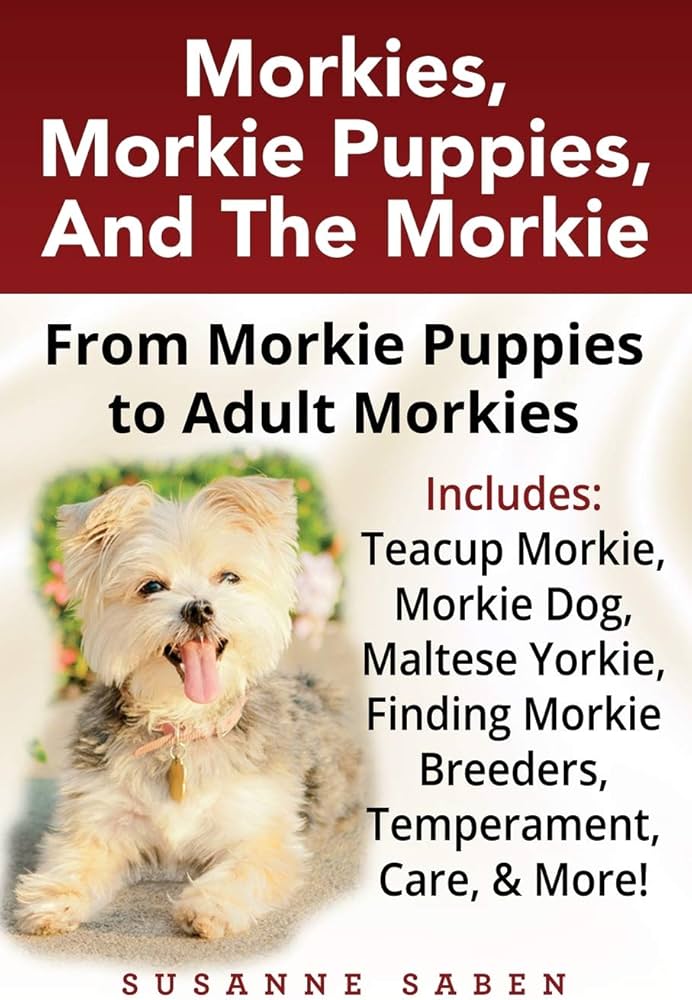
Bringing a new puppy into your home is an exciting time, and for those seeking a small, affectionate, and charming companion, the Teacup Morkie might be the perfect fit. This designer breed, a delightful cross between the Maltese and the Yorkshire Terrier, offers a unique blend of elegance and spirited personality. While relatively new, its parent breeds boast rich histories, contributing to the Morkie’s beloved traits. Understanding their unique needs, from potential health concerns to grooming and training, is crucial for ensuring a happy and healthy life for your pint-sized friend.
A Glimpse into the Teacup Morkie’s Heritage
The Teacup Morkie is a modern hybrid, meticulously bred by combining the gentle Maltese with the spirited Yorkshire Terrier. While the Teacup Morkie itself doesn’t have a long historical record, its parent breeds are steeped in fascinating histories.
The Regal History of the Maltese
The Maltese, named after the Mediterranean island of Malta, is a breed with an ancient lineage that has charmed humans for centuries. Historically known by various names such as the Roman Ladies Dog, the Comforter, and the Maltese Lion Dog, this breed was highly prized by European aristocracy. They were not only admired for their beauty but also believed to possess healing powers, offering comfort to the sick with their fearless and affectionate nature. Their presence is noted in art and literature, and they arrived in the United States in the 1700s, quickly solidifying their place as beloved companion animals.
The Rise of the Yorkshire Terrier
Originating from the county of Yorkshire in England, the Yorkshire Terrier’s history is closely tied to the Industrial Revolution. Scottish immigrants introduced early terrier breeds, including the now-extinct Old English Toy and Waterside Terriers, which were adept at hunting rodents in the mills. These breeds were instrumental in the development of the modern Yorkshire Terrier. By 1885, the breed gained recognition from the American Kennel Club, celebrated for its affectionate disposition and captivating showmanship.
The Birth of the Teacup Morkie
The Teacup Morkie beautifully merges the gentle, placid nature of the Maltese with the spirited charm and tenacity of the Yorkshire Terrier. This designer breed inherits a lineage rich in nobility, affection, and companionship, making it a highly cherished pet for contemporary families, despite its relatively short existence.
Understanding the Health Landscape of Teacup Morkie Puppies
Teacup Morkie puppies, much like their parent breeds, come with their own set of distinctive health considerations. Prospective owners must be aware of these potential issues to provide the best possible care and ensure their companion’s well-being. Educating yourself about common health concerns allows for proactive management and timely veterinary intervention.
Major Health Concerns
- Portacaval Shunt: This congenital condition impacts the flow of blood between the liver and the rest of the body, leading to a buildup of toxins in the bloodstream.
- Tracheal Collapse: Frequently observed in small breeds, this condition involves the weakening and eventual collapse of the trachea, resulting in breathing difficulties.
- Patent Ductus Arteriosus (PDA): A congenital heart defect where a crucial blood vessel, the ductus arteriosus, fails to close after birth, disrupting normal blood flow.
- Legg-Calve-Perthes Disease: An orthopedic condition affecting the hip joint, characterized by the degeneration of the femoral head, leading to pain and mobility issues.
- Obesity: Due to their inherently small size, Teacup Morkies are particularly susceptible to obesity, a condition that can significantly exacerbate other existing health problems.
Minor Health Concerns
- Patellar Luxation: This common orthopedic issue occurs when the kneecap dislocates or moves from its normal position, causing discomfort and lameness.
- Mono/Bilateral Cryptorchidism: A condition where one or both testicles fail to descend into the scrotum, which can lead to complications if not surgically corrected.
- Hydrocephalus: Often referred to as “water on the brain,” this condition involves an abnormal accumulation of cerebrospinal fluid within the brain’s cavities.
- Dental Disease: Small breeds are notoriously prone to dental problems, necessitating regular dental hygiene to prevent severe issues like gum disease and tooth loss.
- Portosystemic Shunt: Similar to a portacaval shunt, this is a liver condition that affects blood flow, potentially leading to toxin accumulation.
- Shaker Dog Syndrome: Also known as Generalized Tremor Syndrome, this condition causes involuntary tremors and affects the nervous system, commonly seen in small breeds.
Nurturing Your Teacup Morkie: Grooming and Training Essentials
Successfully raising a Teacup Morkie involves a commitment to regular grooming and consistent, positive training. These elements are key to maintaining their health, hygiene, and well-adjusted behavior.
Grooming Needs
Teacup Morkies possess a silky, long coat that requires daily brushing to prevent matting and tangles. Bathing should be done semi-regularly, typically when the coat appears visibly dirty. It’s crucial to brush your puppy thoroughly before each bath to remove any knots. Using a light conditioner during the bath can significantly aid in managing the coat, making it more manageable. After bathing, gently blow-dry on a low heat setting or towel dry thoroughly to ensure complete dryness and enhance coat shine. Beyond coat care, regular teeth brushing, ear cleaning, and nail clipping are essential for the overall comfort and health of your Teacup Morkie.
Training Essentials
Teacup Morkie puppies are known for their eagerness to please and their intelligence, which generally makes them receptive to training. Incorporating positive reinforcement methods, such as treats and praise, can be highly effective for teaching basic commands like “sit,” “come,” and “stay.” Exploring training packages can provide structured guidance for both you and your puppy. Early socialization is paramount; exposing your puppy to various people, environments, and other animals from a young age helps them grow into well-rounded adults. Consistency in your training approach is key, with frequent, short training sessions being more effective than infrequent, long ones. Begin potty training early by establishing a consistent routine with regular bathroom breaks.
How Big Do Teacup Morkies Puppies Get?
Teacup Morkies are exceptionally small dogs, typically weighing between 3 to 5 pounds and standing about 6 to 8 inches tall. They represent a miniature version of the standard Morkie, which is a cross between a Maltese and a Yorkshire Terrier.
Is a Teacup Morkie Better Than a Yorkie Poo?
The choice between a Teacup Morkie and a Yorkie Poo ultimately comes down to personal preference. Teacup Morkies are known for their exceptionally small size and their specific Maltese-Yorkie heritage. Yorkie Poos, on the other hand, are a cross between a Poodle and a Yorkshire Terrier, which often results in a slightly larger dog with a more varied coat type.
Are Teacup Morkie Puppies Good with Children and Other Pets?
Teacup Morkie puppies can be excellent companions for children and other pets, provided they are properly socialized from a young age. However, due to their delicate size, supervision is always recommended, especially during interactions with younger children or larger animals, to prevent accidental injuries.
Do Teacup Morkie Puppies Shed a Lot?
Teacup Morkie puppies shed very minimally. This low-shedding quality is inherited from both their Maltese and Yorkshire Terrier parent breeds. Regular brushing and grooming not only help maintain the health of their coat but also further reduce shedding, making them an excellent choice for individuals with allergies.
How Long Do Teacup Morkies Live?
With proper care, Teacup Morkies typically enjoy a lifespan of 10 to 15 years. This longevity is influenced by factors such as genetics, overall health, and the quality of care they receive. Ensuring a diet of proper nutrition, regular veterinary check-ups, and a loving, stimulating environment are crucial for promoting a long and healthy life for these small, affectionate dogs.
