
Teaching Dog to Sit and Stay. Teaching a dog to sit and stay goes beyond merely instructing them on commands; it’s about building a relationship grounded in understanding, patience, and communication. The sit command serves as an essential foundation for all levels of obedience training and can be the gateway into deeper engagement between human and canine.
Understanding the Importance of Sit and Stay Commands
Building a Foundation for Obedience
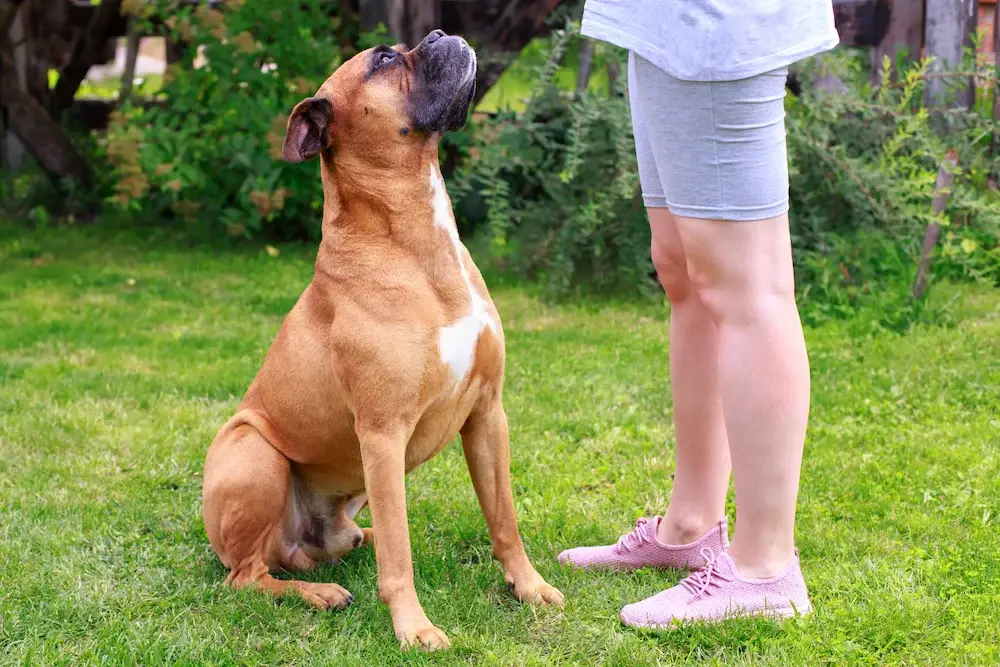
When you teach your dog to sit, you’re essentially giving them a clue about how to best behave in various situations—like meeting new people or enjoying a family gathering where they should remain calm. The sit command lays the groundwork for more advanced training, as it teaches the dog to focus on their handler and respond to instructions.
Enhancing Communication Between Human and Canine
Moreover, the ‘stay’ command includes an element of mental stimulation for dogs, as they need to focus on maintaining their position throughout distractions. Using a well-rounded approach, with resources such as step-by-step guides found on Dog Care Story, can greatly enhance your ability to convey these concepts effectively. Breaking down the process into manageable steps allows both the trainer and the dog to find success at every stage.
Establishing Trust and Connection

Teaching Dog to Sit and Stay – The Role of Trust in Training
The journey begins with trust. If your dog feels secure and knows they can rely on you, they’re more likely to respond positively to your commands. Imagine a scenario where you’re in a park, and your dog sees something exciting—a squirrel, perhaps. This natural instinct could divert their attention away from you, but having mastered the sit and stay command provides them with an alternative way to engage with the world.
Teaching Dog to Sit and Stay – Creating a Safe Environment for Learning
They learn that remaining still rewards them, leading to positive experiences for both you and your pup. By adding fun elements, such as treats or praise, you reinforce good behavior while simultaneously deepening your bond.
Using Positive Reinforcement Strategies
Utilizing diverse training techniques, such as the methods described by Michele Lennon on her site, can help you adjust your strategies based on your dog’s reactions. Some dogs respond better to visual cues or hand signals, while others may excel with vocal commands or simple body language.
Preparing for Training Sessions

Choosing the Right Location
To illustrate, if your dog is naturally curious, using their favorite toy as an interesting distraction during training could teach them to sit and stay even amidst chaos. When deciding on a training location, consider factors like minimal distractions, ample space, and a comfortable environment for both you and your dog.
Gathering Necessary Supplies
Ensure you have all the necessary supplies, such as treats, a clicker (if using clicker training), a leash, and a comfortable training collar or harness. Having everything ready beforehand can help you maintain focus and efficiency during the training session.
Setting a Suitable Time for Training
Choose a time when your dog is well-rested and alert, rather than trying to train them when they’re tired or overly excited. Consistency in the timing of your training sessions can also help your dog establish a routine and better respond to your instructions.
Teaching the Sit Command

Step-by-Step Guide to Teaching Sit
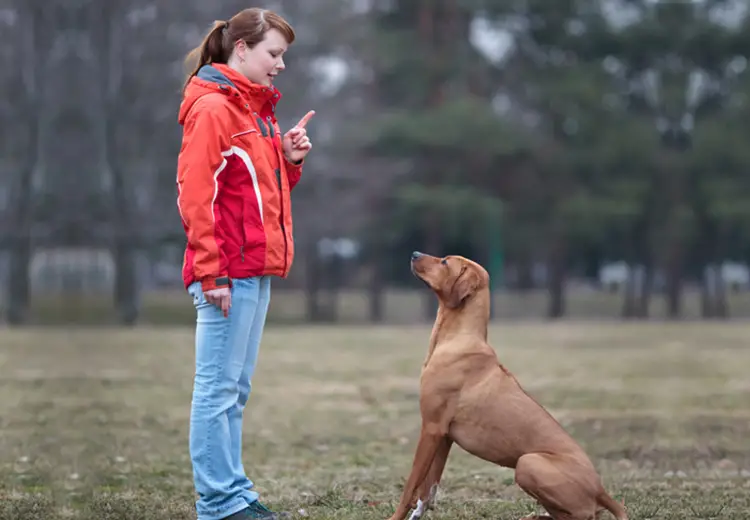
Begin by introducing the command “sit” and pairing it with the physical action of guiding your dog’s hindquarters to the ground. Use positive reinforcement, such as treats and praise, to reward your dog when they successfully sit. Gradually increase the duration of the sit, working towards longer periods of time before the reward is given.
Common Mistakes to Avoid
Be mindful of common training pitfalls, such as inadvertently rewarding your dog for standing up too soon or moving around during the sit. Maintain patience and consistency, and adjust your approach if your dog seems to be struggling with the concept.
Troubleshooting Distractions During Training
If your dog becomes distracted during the training session, gently redirect their attention back to you and the task at hand. Gradually introduce more distractions as your dog’s focus and ability to sit improves, ensuring they can perform the command even in challenging environments.
Introducing the Stay Command
Steps to Effectively Teach Stay
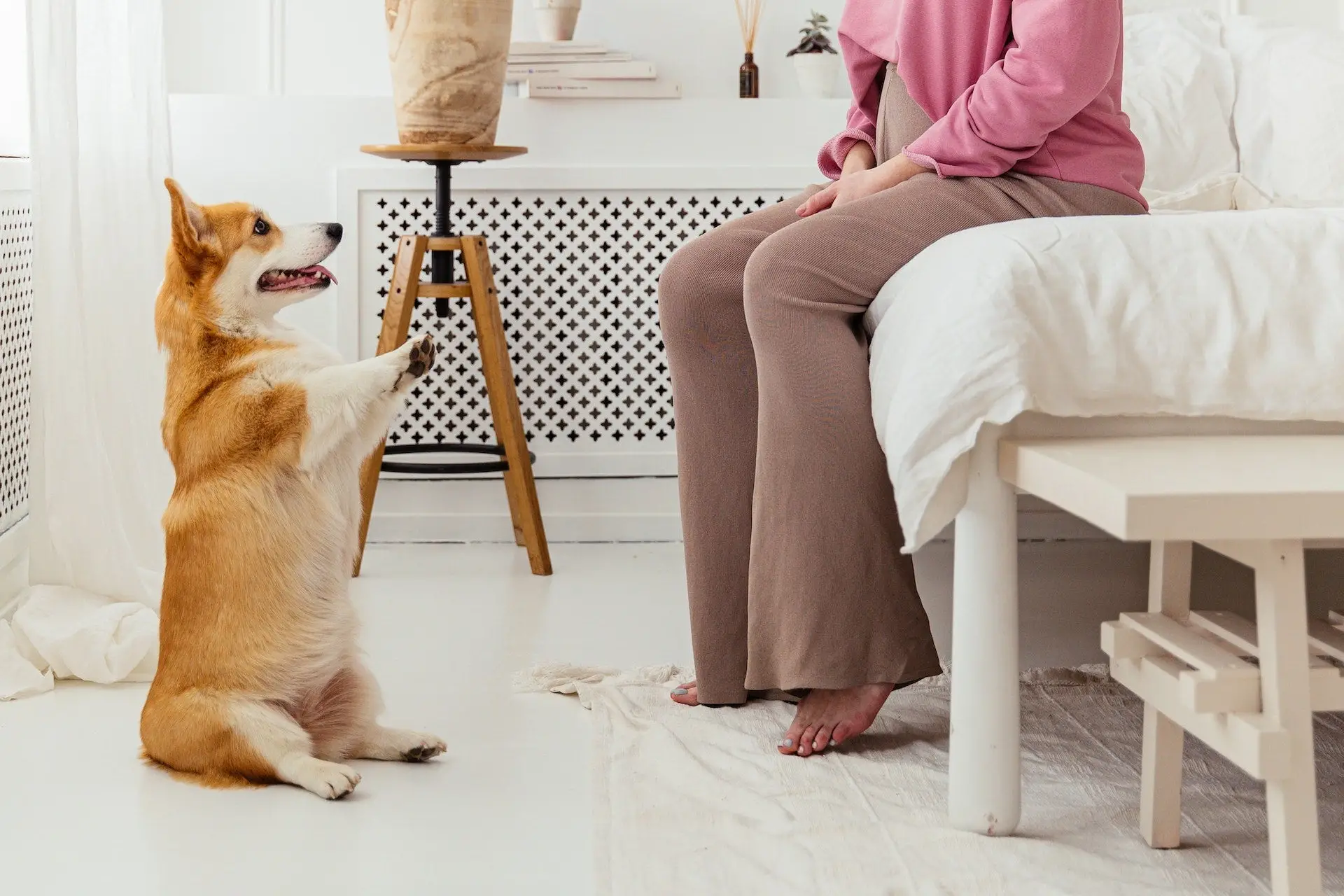
Once your dog has mastered the sit command, you can begin teaching them to stay. Start by having your dog sit, then take a small step back while giving the “stay” command. If they remain in the sitting position, reward them immediately. Gradually increase the duration and distance as your dog becomes more proficient.
Gradually Increasing Duration and Distance
Be patient and consistent, as some dogs may struggle with the concept of staying in one place. Celebrate small victories, and don’t be afraid to take a step back if your dog seems overwhelmed. Gradually increase the time and distance required for the stay command, always ensuring your dog’s success and comfort.
Recognizing Signs of Success
Look for signs that your dog is understanding the stay command, such as maintaining their position without attempting to follow you or becoming visibly anxious. Praise and reward these moments of success, reinforcing the positive behavior you’re trying to instill.
Utilizing Various Training Techniques
Adapting to Different Dog Personalities
Training isn’t one-size-fits-all, and various techniques exist to cater to different dog personalities. Some dogs respond better to visual cues or hand signals, while others may excel with vocal commands or simple body language.
Incorporating Visual Cues and Body Language
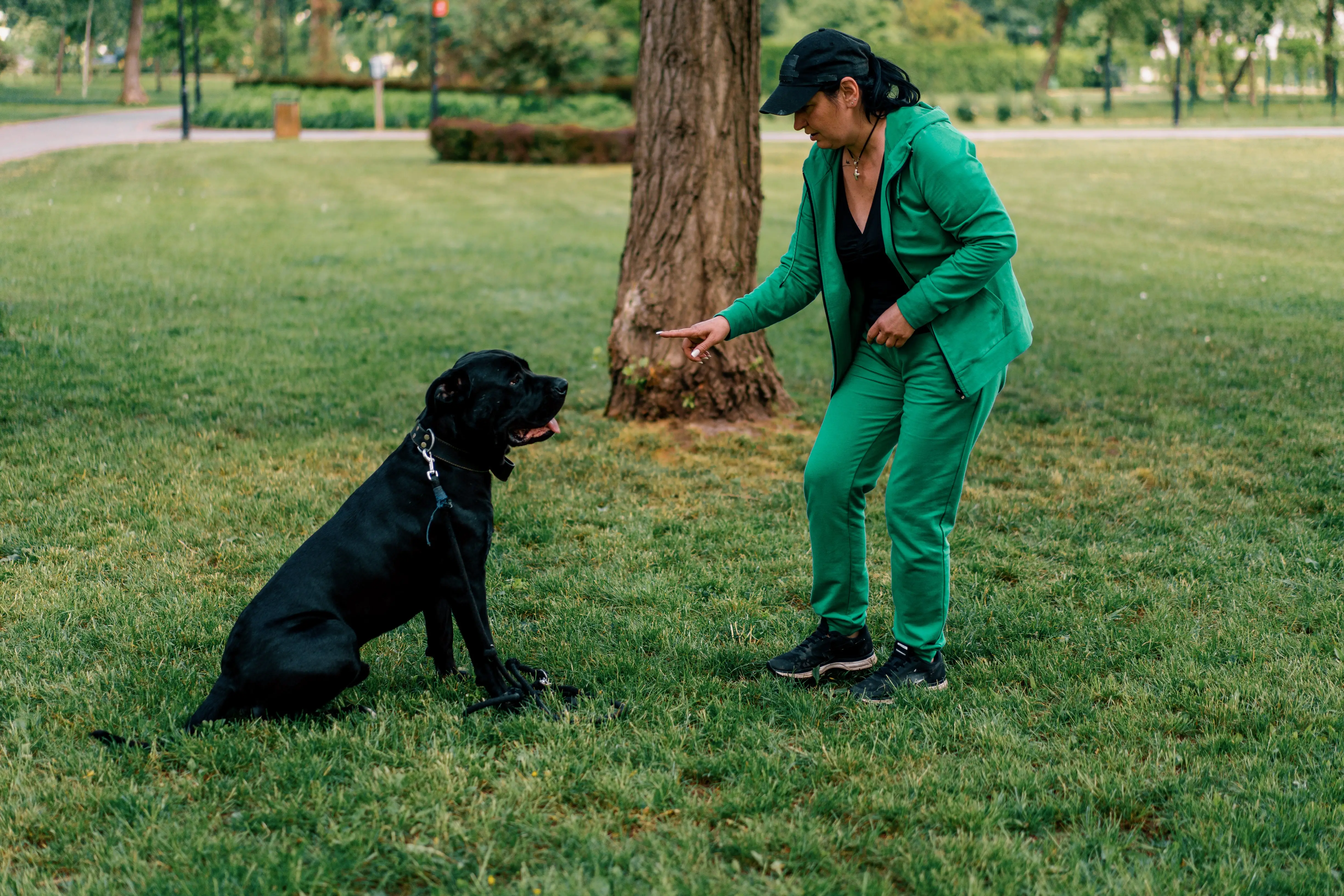
For dogs that are more responsive to visual aids, try using hand signals or pointing in the direction you’d like them to go. Experiment with different techniques to see what resonates best with your furry friend.
Experimenting with Clicker Training
Clicker training can also be an effective tool for teaching sit and stay commands. The distinct click sound helps your dog clearly identify the precise moment they’ve performed the desired behavior, making it easier for them to understand and repeat.
The Role of Consistency in Training

Establishing Routine and Repetition
Consistency is key when it comes to training your dog to sit and stay. Establishing a routine and repeating the commands regularly helps reinforce the behavior and solidify it in your dog’s mind.
Involving Family Members in Training
Ensure that all family members engage in the training process, using the same commands and techniques. This consistency across different handlers will help your dog learn more quickly and maintain the desired behaviors.
Keeping Training Sessions Short and Engaging
Remember to keep training sessions brief and engaging. Dogs have shorter attention spans, so breaking the training into multiple, shorter sessions throughout the day can be more effective than a single, lengthy session.
Real-World Applications of Sit and Stay
Enhancing Social Etiquette in Public Spaces
What’s fascinating about mastering the sit and stay command is its practical application in real-world scenarios beyond just obedience. For instance, consider a picnic setting: your dog understands that sitting politely means they’ll get to share that delicious hot dog you’ve brought along—but only if they remain composed!
Ensuring Safety in Potential Hazards
This compliance turns training exercises into everyday interactions, teaching not just discipline but social etiquette among humans and dogs alike. Moreover, commands like these can also foster safety. In moments when you need your dog to refrain from running into traffic or approaching unfamiliar animals, having previously established training becomes invaluable.
Applying Commands in Everyday Scenarios
Consider your pup as a participant in a playdate where multiple dogs are running around—applying what they’ve learned about sitting and staying enables you to manage the group safely, keeping every participant included without chaos.
Overcoming Challenges in Training
Dealing with Reluctance or Resistance
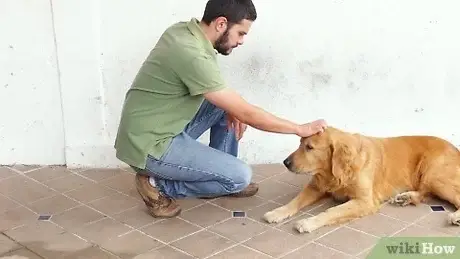
As you embark on the journey of teaching your dog to sit and stay, you may encounter some challenges along the way. Some dogs may be more reluctant or resistant to the training, requiring patience and perseverance from the trainer.
Managing High-Energy Dogs
For high-energy dogs, maintaining focus during training sessions can be particularly challenging. Incorporate breaks, interactive toys, and make the training sessions more dynamic to keep your dog engaged and motivated.
Knowing When to Seek Professional Help
If you find that you’re struggling to make progress or your dog seems unresponsive to your training efforts, don’t hesitate to seek the guidance of a professional dog trainer or behavior specialist. They can help you identify the root cause of the issue and develop a customized training plan.
Celebrating Progress and Success
Acknowledging Small Achievements
As you and your dog embark on this journey, be sure to celebrate every small victory. Acknowledge your dog’s progress, no matter how incremental, and provide positive reinforcement to encourage them to continue learning and improving.
Keeping Motivation High for You and Your Dog
Maintaining your own motivation and enthusiasm is just as important as keeping your dog engaged. Find ways to make the training sessions fun and rewarding for both of you, whether it’s through playtime, treat rewards, or simply enjoying the bonding experience.
Incorporating Fun Activities into Training
Integrating enjoyable activities, such as agility courses or trick training, can help keep your dog’s training sessions stimulating and engaging. This approach can reinforce the sit and stay commands while also building a stronger, more trusting relationship.
The Long-Term Benefits of Training
Strengthening the Human-Dog Bond
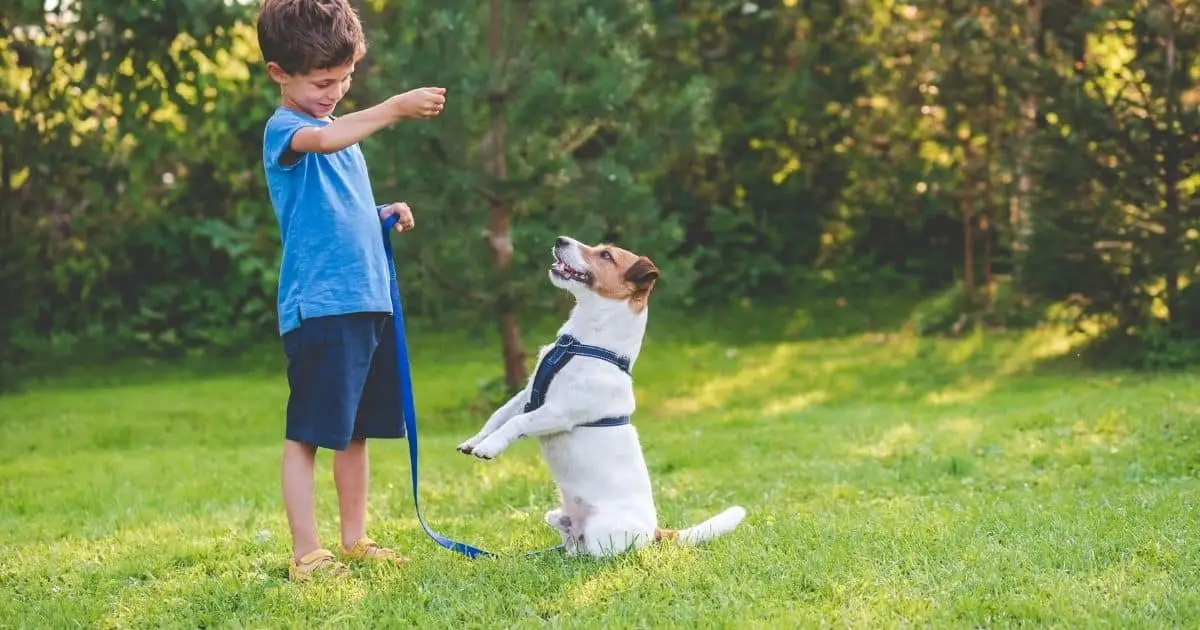
As you and your dog navigate the process of learning the sit and stay commands, the benefits extend far beyond just obedience. The journey strengthens the bond between you and your canine companion, fostering a deeper understanding and respect.
Encouraging Lifelong Learning and Adaptation
The skills learned during sit and stay training can serve as a foundation for continued learning and adaptation throughout your dog’s life. As your dog grows and encounters new situations, these commands can be applied and refined, ensuring your pup remains well-behaved and responsive.
Adjusting Techniques for Different Breeds
Recognizing Breed-Specific Traits
Different dog breeds can have unique behavioral characteristics and training needs. Understanding the traits and tendencies of your dog’s breed can help you tailor your training approach for optimal success.
Tailoring Approaches Based on Behavior Patterns
For instance, herding breeds may be more responsive to commands that involve movement, while toy breeds may require more patience and positive reinforcement to maintain focus. Adapting your training techniques to your dog’s individual needs can lead to a more seamless and rewarding experience for both of you.
Resources for Continued Learning
Online Communities and Forums
As you and your dog progress in your training journey, there are numerous resources available to support your continued learning. Engaging with online communities and forums can provide valuable insights, tips, and troubleshooting advice from experienced trainers and fellow dog owners.
Recommended Books and Videos
In addition to online resources, exploring recommended books and training videos can deepen your understanding of the sit and stay commands, as well as introduce new techniques and approaches to try with your dog.
Engaging with Professional Trainers
Consider reaching out to professional dog trainers in your area. They can offer personalized guidance, address any challenges you’re facing, and help you refine your training methods for optimal results.
Conclusion
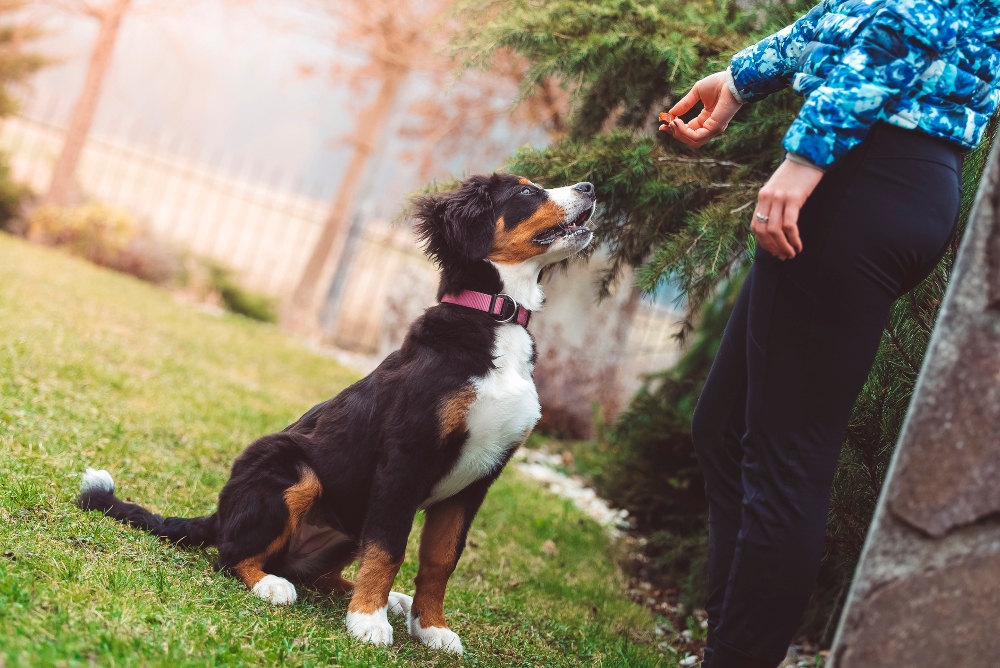
As you embark on the journey of teaching your dog to sit and stay, reflect on the myriad ways these simple commands can enrich not only your dog’s life but yours as well. From day-to-day interactions to the broader contexts within society, the ripple effects of fostering good behavior culminate into a more harmonious existence shared between you and your four-legged companion.
