
Leash training a puppy or an adult dog to walk politely by your side is one of the most rewarding skills you can teach. A well-trained dog will walk happily, stop when you stop, and turn when you turn, making your outings enjoyable for both of you. While it can be challenging, the effort is well worth the result. This guide will walk you through the process, from basic principles to troubleshooting common issues.
Prior to Leash Training
Before you begin formal leash training, consider using tools that can help manage pulling. A front-attachment harness or a head collar can discourage your dog from pulling ahead. These are excellent aids, but they are most effective when combined with proper leash training. Ensure any harness or head collar is used with a leash no longer than six feet to prevent injury if your dog lunges suddenly.
The Stop and Reward Method
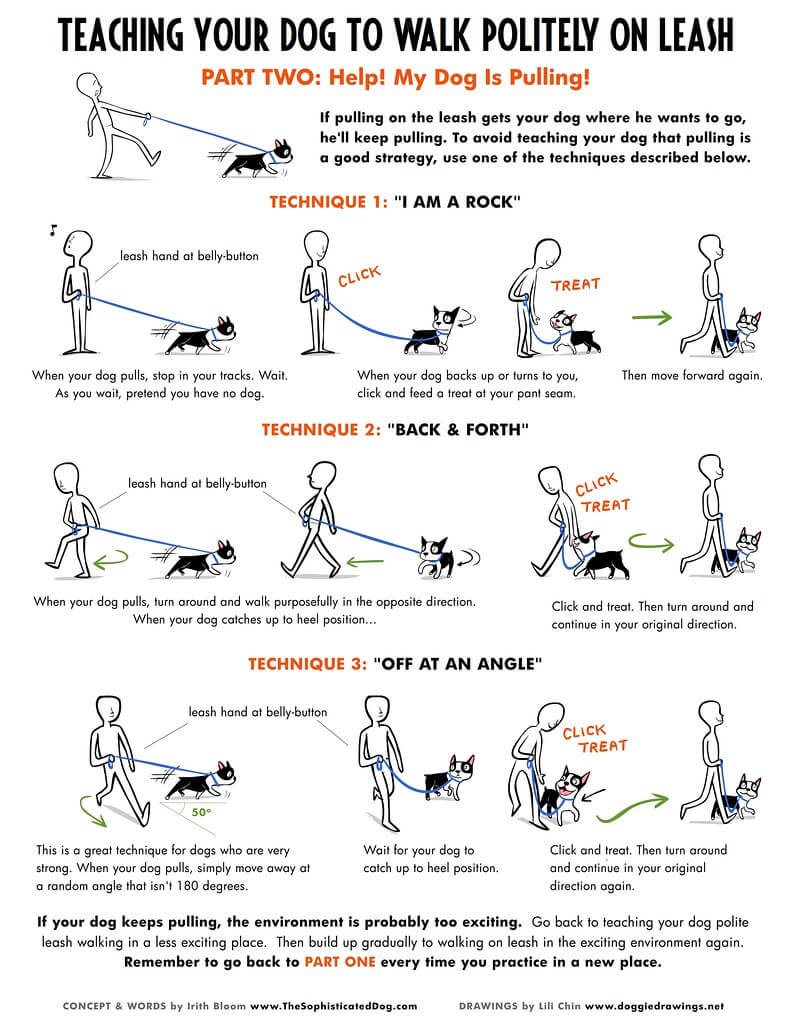
A foundational technique for leash training is the “stop and reward” method. When your dog pulls, stop moving forward. When they walk calmly by your side, reward them with a high-value treat. This teaches them that walking with you is more rewarding than pulling ahead. Keep a treat bag on your waist for easy access. If your dog isn’t highly food-motivated, praise, a favorite toy, or a quick game can serve as rewards.
Step-by-Step Leash Training
Step 1: Making Walking Beside You Rewarding
Start leash training in a familiar, low-distraction environment like your backyard. Attach a long leash (10-20 feet, not retractable) to your dog’s harness. Decide which side you want your dog to walk on and consistently offer treats and praise on that side, near your thigh. Walk briskly and randomly, rewarding your dog every time they naturally fall into step beside you. If your dog shows little interest, try again later when they are hungrier. Continue until your dog is consistently walking by your side.
Step 2: Encouraging Your Dog to Follow
Begin walking again. When your dog starts to lag behind or wander off to sniff, cheerfully say “let’s go!” and slap your thigh to get their attention. Turn and walk away from your dog. When they catch up, reward them with praise and a treat on your preferred side. If they are hesitant to come towards you when the leash is taut, apply gentle leash pressure as a reminder, but don’t force them. Reward them as soon as they start moving towards you. Practice until your dog readily returns to your side after you say “let’s go.”
Step 3: Scheduled Sniff and Potty Breaks
Dogs need time to explore and relieve themselves. Integrate this into training by designating “sniff breaks.” About every five minutes, or when you would typically give a treat, say “go sniff” and allow your dog to explore or potty. This is a privilege. If they pull during this time, immediately say “let’s go” and resume walking, ending the free time.
Step 4: Increasing Challenges and Reducing Rewards
Gradually transition to a shorter leash, eventually reaching six feet. Practice walking at different speeds, stopping abruptly, and changing directions. Reward your dog for staying with you during these variations. Begin to decrease the frequency of rewards for simply walking by your side in normal circumstances. Continue to offer extra rewards for maintaining position during challenging maneuvers or when distractions are present.
Taking Training to the Streets
Once your dog is performing well in a controlled environment, apply the same techniques in your neighborhood. Be prepared for increased distractions like strangers, other animals, and traffic. Use a front-attachment harness or head collar for added control and carry plenty of high-value treats. If your dog pulls or gets distracted, use the “let’s go” cue and change direction. Reward generously for attentive walking, especially in distracting situations. Remember to grant permission for sniff breaks.
Challenging Your Dog During Leash Training
Introduce a fun challenge: hold your dog’s leash and toss a ball or treat 20 feet away. If your dog pulls towards the object, use the “let’s go” cue and walk in the opposite direction. If they walk beside you towards the thrown item, let them reach it and claim it as their reward. Start with a less desirable object or a longer leash to make it easier.
Troubleshooting Common Issues
- Dog crossing in front of you: Stomp or shuffle your feet slightly to make your presence more noticeable.
- Dog lagging behind: They might be fearful or unwell. Offer encouragement and rewards. If lagging to sniff or potty, continue walking with gentle leash pressure. Reward heavily when they walk with you.
- Alternating between walking well and pulling: Instead of rewarding them for returning after pulling, focus on rewarding a larger number of consecutive steps taken by your side.
How to Train a Dog to Walk on a Leash and Heel
Heeling is a specific position where the dog walks very close to your side, attentive to you. This is useful for short periods, especially around distractions. Start by holding a treat in your fist near your thigh and say “let’s go.” Take a few steps, guiding your dog with the treat. Reward them for following your fist with their nose. Gradually transition to an empty fist, continuing to praise and reward. Your closed fist can become a hand signal for “heel.” Practice this both indoors and outdoors in increasingly distracting environments.
Consistent practice and positive reinforcement are key to successful leash training a puppy. By implementing these steps, you can transform your walks into a more harmonious and enjoyable experience for both you and your canine companion. Explore our range of leash training aids and puppy supplies to further support your training journey.
