
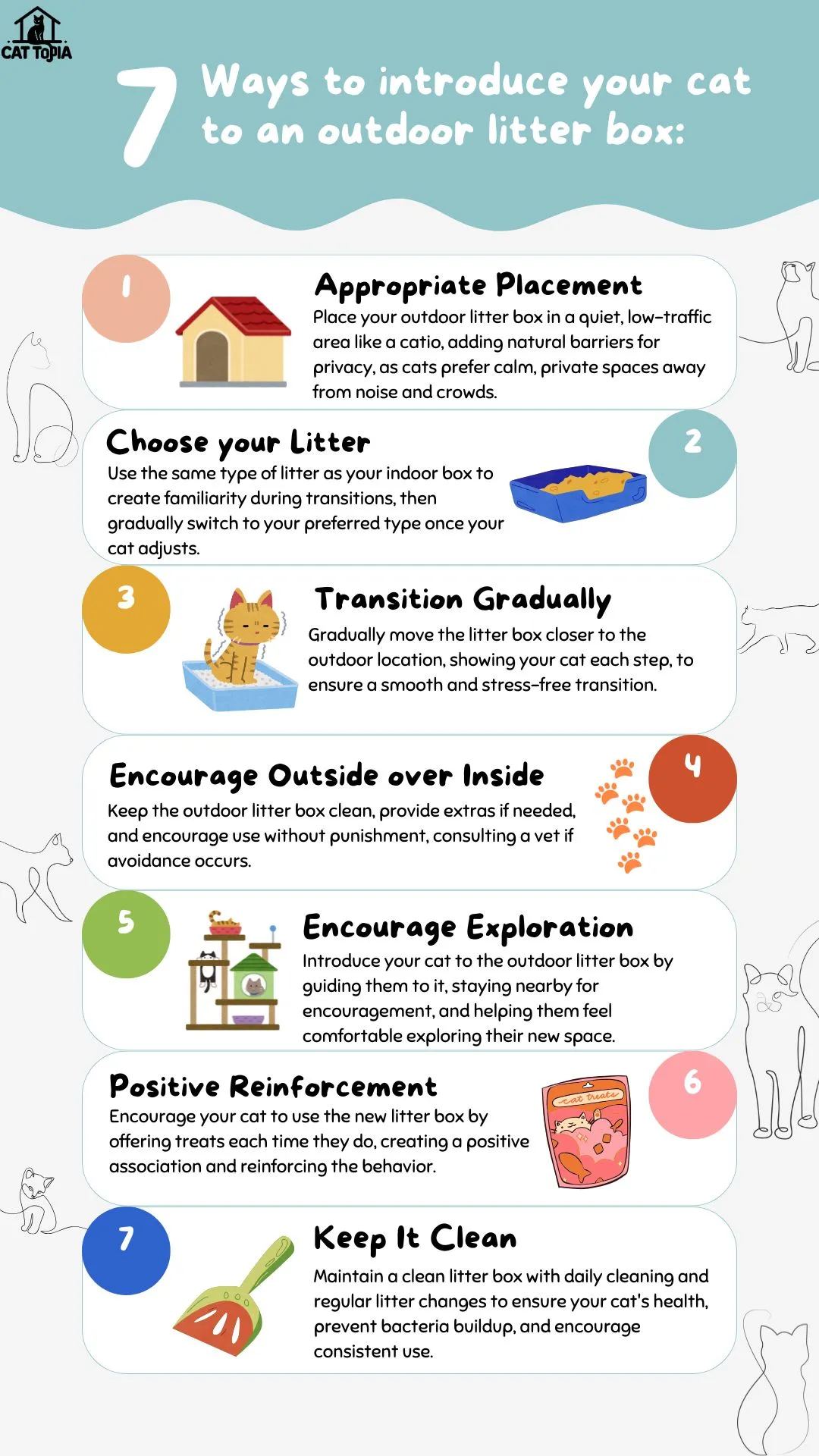
Bringing a new cat into your home is an exciting experience, and establishing good habits early on will make your life as a pet owner much smoother. One of the more challenging aspects of cat ownership can be litter box training. However, with patience and the right approach, you can successfully toilet train your cat, making cleanup easier for everyone involved. This guide will walk you through seven simple steps to help your feline friend transition to using the toilet. Toilet training a cat is achievable with the right methodology.
Step One: Relocate the Litter Box
The first step in toilet training your cat is to move their current litter box to a location directly next to the toilet. Ensure your cat is comfortable using the litter box in this new spot before proceeding. This gradual adjustment helps your cat acclimate to the new environment without feeling confused or insecure, which could lead to accidents elsewhere in the home. Remember, patience is key, and letting your cat set the pace is crucial for success.
Step Two: Gradually Elevate the Litter Box
Once your cat is accustomed to the litter box being next to the toilet, it’s time to start raising its height. This can be achieved by stacking books, newspapers, or other stable objects around the litter box. Each time you raise the litter box, remove a small amount of litter. This process slowly gets your cat used to jumping higher to access their toilet. Secure the litter box to the stacked items to prevent any wobbling or shifting, which might startle your cat.
Step Three: Move the Litter Box Onto the Toilet
Continue to gradually move the litter box closer to the toilet. Aim to advance it by about one inch each day until it is positioned directly over the toilet seat. Simultaneously, continue to reduce the amount of litter in the box, keeping it to no more than one inch deep. This step further familiarizes your cat with the target toilet.
Step Four: Introduce a Training Box
Now it’s time to replace the traditional litter box with a specialized “training box.” This training box should be sturdy enough to support your cat’s weight. You have a couple of options: purchase a commercial cat toilet training system or create your own. To make a DIY version, you can tape a piece of wax paper over the toilet seat, add flushable litter, and then tape a bowl or aluminum pan to the edges of the seat, securing it with the toilet lid. Fill this pan with flushable litter. Cleaning the training box after each use and adding a bit of catnip can further encourage your cat to use it.
Step Five: Transition to Using the Toilet
With the training box in place, you’ll gradually transition your cat to using the actual toilet bowl. Begin by cutting a small hole (about one inch in diameter) in the center of the wax paper or aluminum pan. As your cat becomes more comfortable, gradually increase the size of this hole. Concurrently, decrease the amount of litter in the pan. The goal is to eventually have a cover with no litter, encouraging your cat to eliminate directly into the water.
Step Six: Encourage Flushing (Optional and Cautioned)
Once your cat is consistently using the toilet, you can begin flushing after each use. It’s important to note that while cats can be trained to flush the toilet, it’s often advised against. Many cats develop a fascination with flushing, which can lead to significant water waste. It’s generally best to handle flushing yourself.
Step Seven: Reward Success
Positive reinforcement is a powerful tool in training. When your cat successfully uses the toilet, offer praise and a small treat. This reward system helps your cat associate the toilet with positive experiences and encourages them to repeat the behavior. If your cat seems hesitant about the water, adding a small amount of flushable litter to the bowl can help them associate the scent with their usual litter box. Continued positive reinforcement can solidify cat training near me habits.
Toilet training your cat is a process that requires time, consistency, and understanding of your cat’s individual needs. By following these steps, you can help your feline companion adapt to using the toilet, making your home environment cleaner and more convenient. Remember to celebrate small victories and be patient throughout the process. Consider exploring other how to train a cat not to do something resources if you encounter specific behavioral challenges.
