
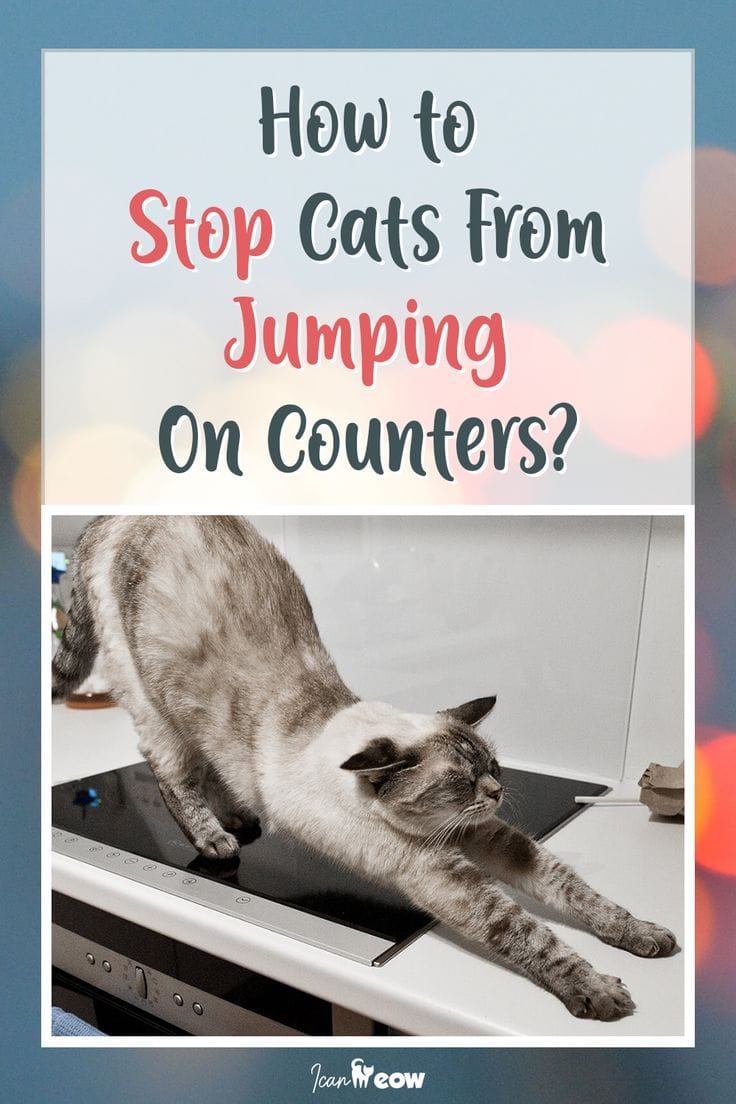
As cat owners, we understand that our feline companions have minds of their own. While we adore their independent spirit, there are certain behaviors that can be challenging, such as their tendency to explore countertops. Training your cat to stay off the counters is achievable with patience, consistency, and the right techniques. This guide will walk you through effective, positive reinforcement-based methods to help your cat understand and respect your kitchen boundaries.
Eliminate Temptation: The Foundation of Countertop Training
The most crucial step in training your cat to stay off the counters is to remove any incentive for them to jump up in the first place. Cats are naturally drawn to food, so keeping your counters and sink impeccably clean is paramount. Rinse dishes immediately after use and, most importantly, avoid storing food on countertops, especially in plastic bags. Cats can easily tear through plastic packaging, posing a significant risk of ingestion, which could lead to choking or exposure to toxic substances.
Make the Counter Unappealing
The goal is not to cause your cat distress, but rather to make the counter an undesirable place for them to walk on. You can achieve this by temporarily placing objects that cats find unpleasant on the counter. Crinkled aluminum foil is a popular choice, as the sound and texture can deter them. Another effective method is using double-sided pet tape applied to a piece of cardboard, which can be placed strategically on the counter. This allows you to make the surface unappealing without applying tape directly to your countertops.
Provide Acceptable Alternatives
Understanding why your cat is drawn to the counter is key to redirecting their behavior. Are they seeking a higher vantage point, escaping a perceived threat like the family dog, or simply attracted to the activity in the kitchen during meal times? Providing a cat tree or a wall-mounted cat shelf in the vicinity can offer them an acceptable alternative to satisfy their need for height and observation.
If your cat’s countertop excursions are driven by hunger between meals, adjusting their feeding schedule might be necessary. Similarly, if boredom is a contributing factor, increasing playtime and providing engaging toys can help redirect their energy. Addressing these underlying needs with appropriate alternatives is far more effective than solely focusing on preventing the unwanted behavior.
Neutral Removal and Redirection
When you catch your cat on the counter, it’s essential to react neutrally. Gently pick them up and place them on the floor without any verbal interaction or excessive attention. Even scolding can be interpreted as attention-seeking behavior by some cats. The key is to make their time on the counter unrewarding.
After a brief period, typically around 60 seconds, use a favorite toy or a tempting treat to redirect your cat to an appropriate high perch. This process teaches them that jumping on the counter leads to being moved to the floor, while using their designated alternative results in positive interactions and rewards. Over time, they will learn to associate the designated alternative with positive outcomes.
Leverage Positive Reinforcement
Positive reinforcement is a powerful tool in cat training. Any behavior that is consistently rewarded is more likely to be repeated. Therefore, make a point of rewarding your cat when they independently choose to use their designated alternative perches. This could involve offering treats, verbal praise, or gentle petting. By reinforcing the desired behaviors, you strengthen the association between those actions and positive experiences.
What Won’t Work: Avoiding Aversives
It’s crucial to avoid using aversive training methods that can cause pain, discomfort, or stress. Products such as shock mats or plastic spikes are not only ineffective in the long run but can also damage your relationship with your cat and create anxiety. Similarly, punishment-based methods like yelling or spraying with a water bottle are generally discouraged, as they do not address the underlying reasons for the behavior and can suppress natural instincts rather than redirect them. The most effective and humane approach to training your cat to stay off the counters is through positive reinforcement and understanding their needs.
