
Most pet parents prefer their dogs to eliminate outdoors for reasons of convenience and hygiene. While housebreaking a dog is a common goal, some owners find it challenging to teach their dogs to poop outside. This guide offers expert tips for potty training even stubborn pets, addressing common reasons for outdoor avoidance and providing practical solutions.
5 Common Reasons Why a Dog Refuses to Poop Outside
Understanding the root cause of a dog’s reluctance to poop outdoors is crucial for effective training. Avoidance can stem from behavioral issues, psychological problems, underlying medical conditions, or even owner error.
1. Anxiety
For some dogs, especially those prone to fear or hypersensitivity, defecating outdoors can be a stressful experience. Loud noises like traffic, barking dogs, or shouting people can cause anxiety, making them uncomfortable with outdoor elimination.
2. Lack of Positive Association
Successful outdoor potty training relies on positive reinforcement. If training hasn’t been conducted correctly, or if the dog has had negative experiences, such as being scared outdoors, they may lack motivation to eliminate outside.
3. Familiarity with Indoor Surfaces
This is particularly common in smaller breeds trained to use puppy pads or dogs who spent their entire puppyhood indoors. The transition to unfamiliar outdoor surfaces, smells, and distractions can be challenging. Additionally, some dogs may dislike certain weather conditions. They might view the indoors as a safe and comfortable place for elimination, making the shift to outdoor breaks difficult.
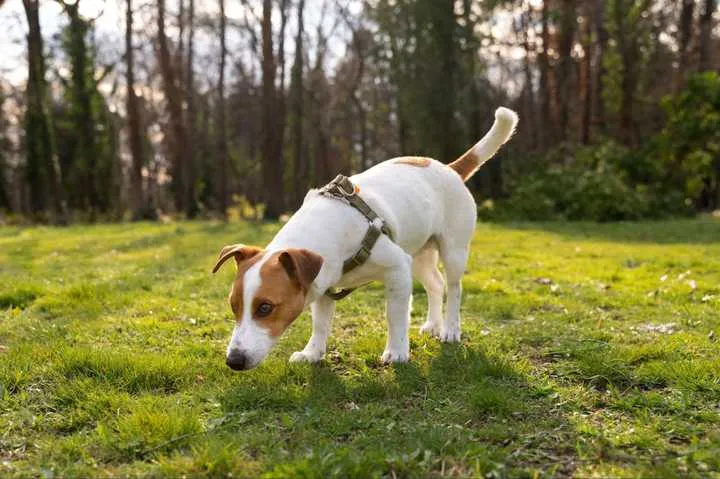 A dog looking confused in an outdoor setting
4. Health Issues
Health problems, especially in aging dogs, can contribute to difficulties with outdoor potty training. Cognitive decline can cause older dogs to forget previously mastered behaviors, including waiting for outdoor potty breaks. Other issues like arthritis, constipation, diarrhea, or abdominal pain can make defecation a frightening experience for a dog.
5. Fear of Distractions
Outdoor environments can be overstimulating for some dogs. Different noises and smells can easily distract them, leading them to explore their surroundings instead of focusing on pottying. These distractions can make it hard for a puppy to concentrate on their bodily functions.
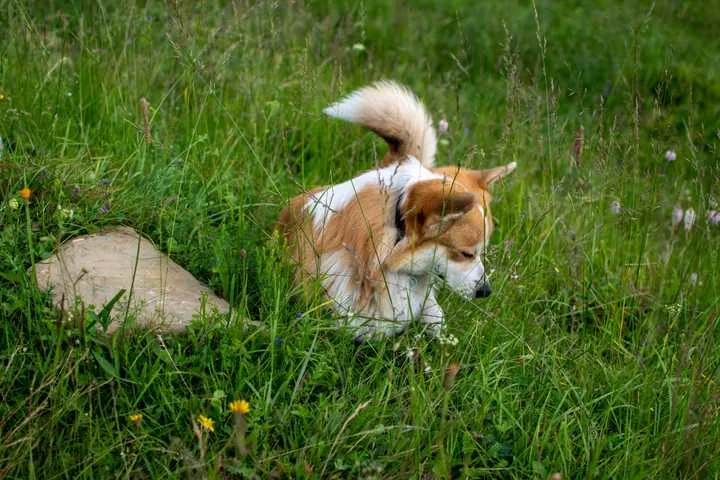 A dog sniffing the ground outdoors, distracted
How to Get Your Dog to Poop Outside in 7 Practical Tips
1. Consider Their Feeding Schedule
Dogs typically need to defecate about 30 minutes after a meal. Understanding their feeding schedule allows you to predict when they might need to go and adjust potty break times accordingly. Puppies generally require at least three feedings daily, while adult dogs can manage with two. More frequent outdoor breaks are essential for young puppies to prevent indoor accidents.
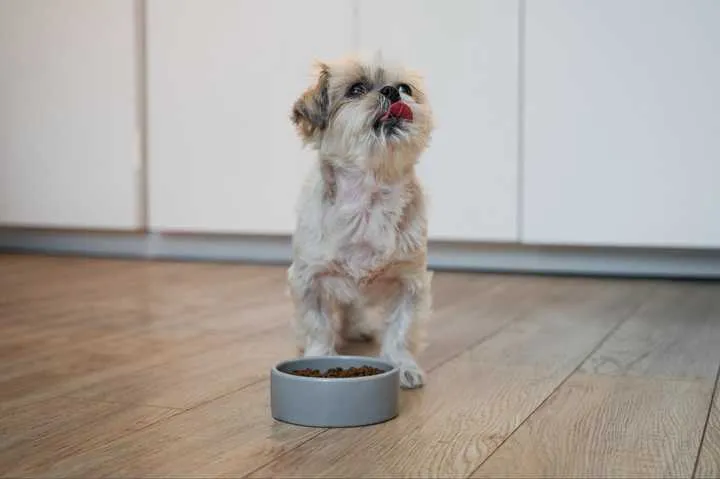 A person feeding a dog a meal
2. Establish a Routine
Consistency and the frequency of potty breaks are fundamental to successful potty training. A regular feeding schedule helps predict elimination times, and a fixed walking schedule ensures your dog knows when to expect outdoor time. This predictability helps your dog learn to hold it until the designated time.
3. Recognize Signals
While a routine is helpful, dogs may sometimes exhibit signs that they need to eliminate outside of their usual schedule. Be attentive to these cues: squatting, stress panting, barking or whining, restlessness, circling, or waiting by the door. Promptly taking your dog outside when you notice these signals can encourage outdoor elimination.
4. Use Rewards
Positive reinforcement is a powerful tool for house training. Offer praise and high-value treats immediately after your dog successfully poops outside. This helps create a positive association with outdoor elimination. Timing is crucial; offer the reward only after they have finished to ensure they connect the act with the positive reinforcement.
Pro Tip: If a treat is too exciting, it might distract your dog from the task at hand. Consider a less exciting treat if needed.
Karen Piwinski
5. Introduce the Crate
Leverage a dog’s natural instinct to keep their den clean through crate training. Ensure the crate is the right size, so your dog understands it’s a space for resting and holding it in. By controlling their environment with a crate, you can better manage their potty breaks and increase opportunities for outdoor elimination.
6. Clean Thoroughly After Accidents
Dogs have a superior sense of smell, and lingering odors can signal to them that a particular spot is a designated potty area. Use an enzymatic cleaner specifically designed to break down waste odors and stains. For carpets, a carpet shampooer can be very effective. Thorough cleaning prevents your dog from returning to the same spot indoors.
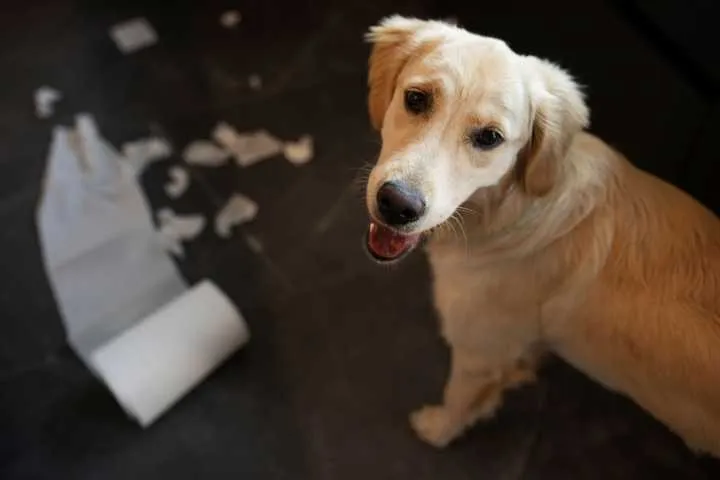 A person cleaning up a dog accident on a carpet
7. Consistency Is Key
Inconsistent signals regarding potty breaks can confuse your dog and hinder their progress. Maintain consistent feeding and walking routines, use consistent praise and rewards, and be patient throughout the process. Adhering to these principles helps your dog understand your expectations and learn appropriate bathroom behaviors.
Wrap Up
Potty training is fundamental for a comfortable cohabitation with your dog. While accidents are part of the process, understanding your dog’s needs, behavioral tendencies, and health is key to successful housetraining. A consistent approach, coupled with positive reinforcement and patience, will help your dog master outdoor bathroom breaks, improving life for both of you.
