
Bringing a new pet into your home is a significant decision, and while dogs and cats are common choices, have you ever considered the unique companionship a bird can offer? Birds, particularly certain species, can be incredibly social and entertaining additions to a household. However, living with a bird is a commitment comparable to owning a dog, requiring daily care, cleaning, socialization, training, and potentially costly veterinary attention. Despite these demands, the reward can be immense, with some birds becoming delightful conversationalists given enough time and attention. It’s important to remember that individual personalities vary; even within “talkative” species, some birds may never speak, while others might surprise you with their vocabulary. This guide explores some of the best talking birds and what you can expect from them.
Budgerigar (Budgie/Parakeet)
The budgerigar, commonly known as a budgie or parakeet, is a small yet impressive bird. These intelligent and highly social creatures, with an average lifespan of 5–8 years, thrive on interaction with their human families. Though small, typically 6–8 inches long and weighing about an ounce, budgies hold Guinness World Records for the largest vocabularies, capable of learning numerous phrases and even singing songs. They are not as loud as some other talking species and can be content in a large cage during the day, especially if exposed to a television for vocabulary enrichment. While their voices might sound a bit gravelly, their enthusiasm and extensive vocabulary compensate for it. To maximize a budgie’s talking potential, it’s best to choose a very young bird from a rescue or a reputable local breeder who hand-raises their birds.
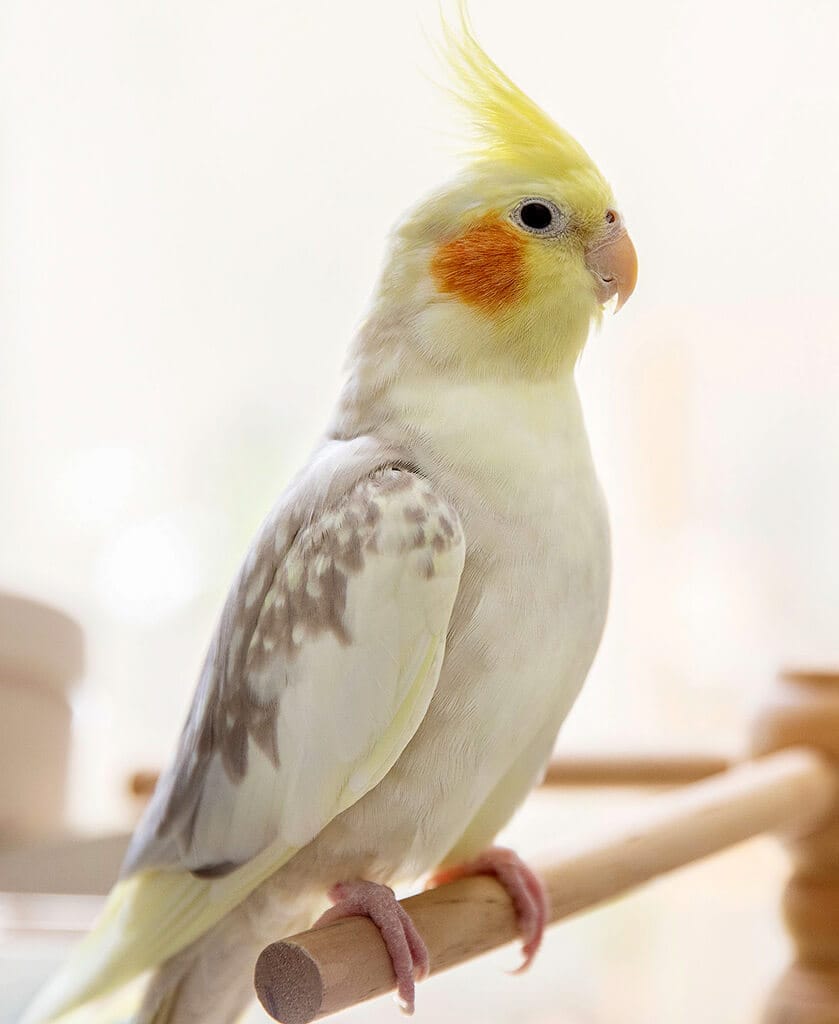
Cockatiel
Cockatiels are beloved pets for good reason: they are gentle, social, and relatively easy to care for. These birds enjoy being held and cuddled, forming strong bonds with their owners. With consistent training and socialization, cockatiels can learn up to 250 words and phrases, and even whistle songs. For those specifically seeking a talking companion, male cockatiels are generally better learners of speech than females. Larger than budgies, cockatiels measure 12–14 inches and weigh 2.5–4 ounces, with an average lifespan of 10–14 years. They make excellent beginner birds, offering years of engaging companionship.
Quaker Parakeet (Monk Parakeet)
Quaker parakeets, also known as monk parakeets, are relatively easy to manage and suitable for novice bird owners, though it’s crucial to check local regulations as they are illegal in some areas. These small birds (11–12 inches, 3–5 ounces) are fast learners and pick up human speech quickly, making them easier to teach. While their vocabulary might not be as extensive as budgies, their voices are clearer and easier to understand. They can learn over 50 words and phrases and even mimic household sounds. Quakers are social birds that enjoy human company, though they can be louder than budgies. With a life expectancy of up to 30 years, they are a rewarding choice for many households.
Ring-necked Parakeet (Indian Ringneck)
Ring-necked parakeets, or Indian Ringnecks, are slightly larger, measuring 14–17 inches and weighing around 5 ounces. Their remarkable ability lies in learning longer phrases and full sentences, along with mimicking various sounds clearly. Revered in some cultures as sacred, their capacity for learning and mimicking daily prayers is notable. However, teaching them longer phrases requires more repetition, making them a bit more challenging to train. Their stubborn nature and propensity for noise mean they are best suited for experienced bird owners with a high tolerance for sound, and perhaps not ideal for apartment living.
Eclectus Parrot
The Eclectus parrot is a medium-sized bird, typically 17–20 inches long and weighing 13–19 ounces. They are known for their gentle nature but require moderate care, socialization, and out-of-cage time, making them more suitable for intermediate bird owners rather than complete beginners. Both male and female Eclectus parrots can learn various words and phrases over time, and they are generally less noisy than other parrot species.
Yellow-naped Amazon
Among the Amazon parrot group, the yellow-naped Amazon is considered one of the best talkers. They possess vast vocabularies and can form coherent sentences, often seeming to understand context, tempo, and tone. These large birds (15–27 inches, 16–23 ounces) can live up to 80 years and are highly intelligent, social, and clear communicators. However, they can also be moody and prone to biting, especially males during breeding season. A thorough understanding of parrot body language is essential for managing their temperament, making them a better fit for experienced bird owners.
Cockatoo
Cockatoos are strikingly beautiful, social, and affectionate birds, sometimes to the point of being clingy or needy, requiring significant daily social interaction. They can be quite noisy when their demands aren’t met. While not top-tier talkers, they may pick up a few words and phrases, especially if it garners attention. Cockatoos are best suited for owners with ample time, space, and energy to dedicate to their birds 24/7. Their unparalleled desire for social interaction makes them a unique companion for the right owner.
Macaw
Macaws are large birds with even larger personalities. Without consistent training, they can become demanding. However, they can develop a respectable vocabulary and a range of vocalizations. Macaws require substantial training and owners must be prepared for potential behaviors like lunging with their powerful beaks. They also need significant time for socialization and training, and owners must tolerate considerable noise and potential destruction as macaws are known to chew extensively. For dedicated and advanced bird owners, their bonded personalities can outweigh a smaller vocabulary and loud noises.
Myna Bird
Myna birds are social, intelligent, and vocal, capable of learning around 100 words and phrases, as well as various other sounds. They are independent and prefer not to be cuddled or taught tricks. Mynas adjust well to cage life, but their fruit-heavy diet results in soft, frequent droppings, requiring intensive daily cleaning and specialized feeding. For those willing to put in the effort, mynas offer up to 25 years of companionship.
African Grey Parrot
The African grey parrot is widely regarded as the most intelligent talking parrot, with the capacity to learn over 1,000 words and the cognitive ability of a 2–3-year-old toddler. While they can mimic sounds, their intelligence also leads them to destructive behaviors and chaos creation. They can be moody and deliver painful bites. African greys are best suited for individuals with extensive bird experience, significant patience, and ample time for socialization and training. Due to their demanding nature, they often change hands, which is unfair to the bird. However, those who can manage their “attitude” are rewarded with up to 80 years of entertaining mimicry and commentary.
Considerations Before Choosing a Bird
Adopting a bird is a long-term commitment with responsibilities akin to owning a dog. The rewards include years of social interaction, regardless of whether your bird becomes a vocal companion. Each species has unique traits: some adapt well to cage living, others require specialized diets, and many parrots produce ear-splitting calls. Thorough research into the temperament and specific needs of any bird species you consider is essential for ensuring a happy and harmonious life with your new feathered friend.
