
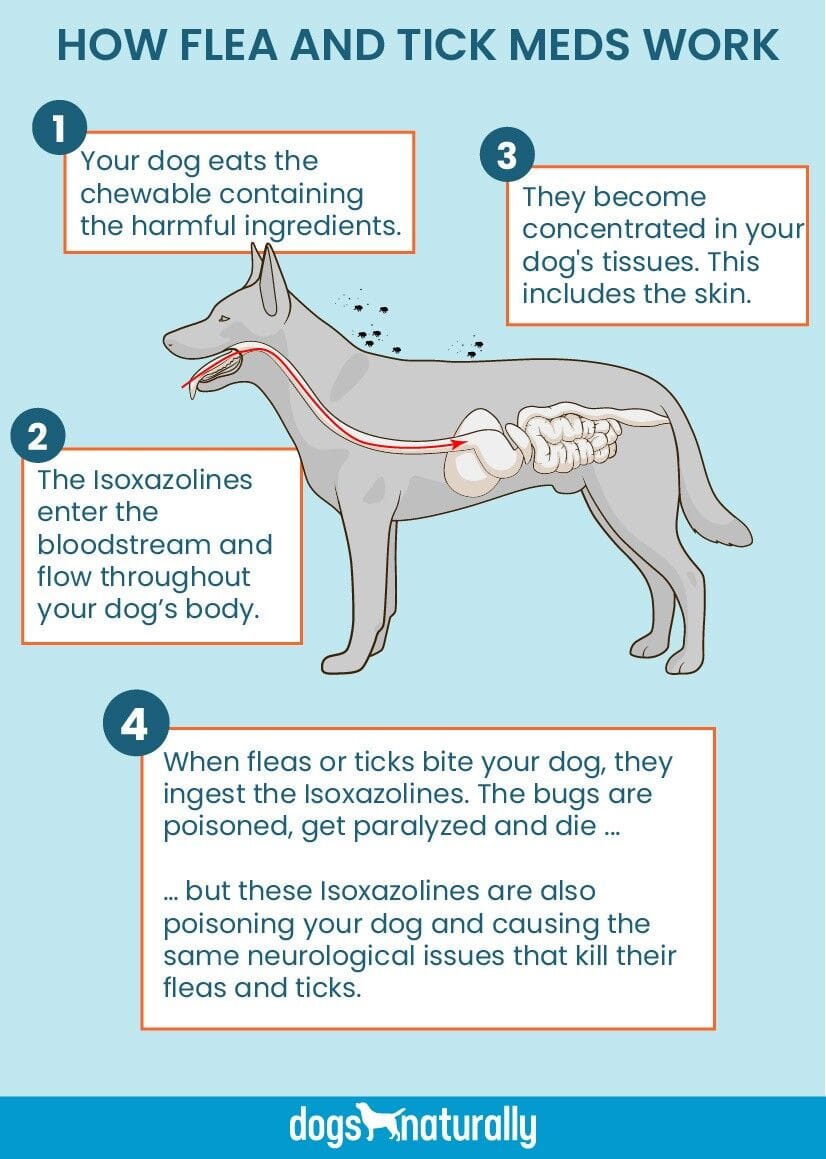
Flea and tick prevention is a cornerstone of responsible dog ownership, significantly reducing the risk of serious diseases. However, the very substances designed to eliminate these pests can pose a danger to your canine companions if not used correctly. Understanding the potential for toxicity is crucial for preventing accidental poisoning. Active ingredients in common flea and tick medications, such as pyrethrins, synthetic pyrethroids, and the newer isoxazoline class, are highly effective against parasites but can be harmful to dogs if ingested, applied in excessive amounts, or if an overdose occurs. These risks extend beyond direct medication, as household insect sprays, foggers, and granules can also lead to toxic exposure.
Symptoms of Flea and Tick Medicine Poisoning in Dogs
Recognizing the signs of poisoning is vital, as symptoms can manifest rapidly, appearing anywhere from 15 minutes to several hours after exposure. These can include:
- Vomiting
- Diarrhea
- Drooling
- Vomiting
- Tremors
- Seizures
- Lethargy
- Weakness
- Difficulty breathing
- Abnormal heart rate
- Elevated body temperature
If you suspect your dog has ingested or absorbed a toxic amount of flea and tick medication, contact your veterinarian, the ASPCA Animal Poison Control, or the Pet Poison Helpline immediately. Prompt veterinary care, including emergency services if severe symptoms are present, can be life-saving.
Causes of Flea and Tick Medicine Poisoning in Dogs
Unintentional poisoning typically stems from the misuse of flea and tick prevention products or accidental exposure to other insecticides. Key causes include:
- Incorrect Dosage: Administering the wrong dose for your dog’s weight or age.
- Product Misidentification: Using a product intended for cats on dogs, or vice versa, as these formulations can be toxic to the wrong species.
- Over-Administration: Giving medication more frequently than recommended or applying multiple flea and tick products simultaneously.
- Expired or Altered Products: Using outdated medications or attempting to alter dosages by cutting larger products into smaller pieces.
- Accidental Ingestion: Dogs consuming products left within reach, such as household sprays or granules.
Always double-check the medication’s label to ensure it’s appropriate for your dog’s species, size, and age, and confirm no one else in the household has already administered a dose.
How Veterinarians Diagnose Flea and Tick Medicine Poisoning in Dogs
A veterinarian will typically make a presumptive diagnosis based on a physical examination and a history of potential exposure to pyrethrin, pyrethroid, or isoxazoline-containing products. While a specific diagnostic test for these poisonings isn’t available, a veterinarian can strongly suspect the cause based on the circumstances and clinical signs. Blood work and urine tests may be performed to rule out other potential health issues that could mimic poisoning symptoms.
Treatment of Flea and Tick Medicine Poisoning in Dogs
Treatment strategies vary depending on the severity of the poisoning and the symptoms displayed. Some dogs may require outpatient care, while others necessitate hospitalization for intensive supportive treatment. There is no specific antidote for these types of poisonings.
Immediate steps often include:
- Decontamination: Bathing the dog with a degreasing dish soap (like Dawn®, Joy®, or Palmolive®) to remove residual product from the skin. Rinsing the mouth with copious amounts of water can help flush ingested toxins.
- Supportive Care: Hospitalization may be required for managing severe neurological signs. This can involve intravenous (IV) fluids, anti-nausea medications, muscle relaxants, and anti-seizure medications.
- Monitoring: Close monitoring of body temperature, blood sugar levels, and kidney function is essential, as these vital signs can be significantly impacted by toxicity.
Recovery and Management of Flea and Tick Medicine Poisoning in Dogs
The prognosis for dogs experiencing flea and tick medicine poisoning is generally good with prompt recognition and early treatment. However, if neurological complications, kidney issues, seizures, or severely elevated body temperatures develop, the prognosis can be poor.
Mild adverse reactions, such as excessive drooling, paw flicking, or ear twitching, often resolve on their own within a few days. While some symptoms like drooling might persist for several days after product application, most mild to severe symptoms typically improve within a few days with appropriate care.
Prevention of Flea and Tick Medicine Poisoning in Dogs
Preventing accidental exposure is paramount. Always adhere strictly to the directions provided on all flea and tick preventives and insecticides. It’s critical to ensure your dog receives only their prescribed medication, as these products are carefully dosed based on body weight. Avoid administering multiple flea and tick medications concurrently, as this can lead to an overdose and dangerous drug interactions. Always consult your veterinarian regarding potential drug interactions and the correct dosage for your pet. Never use a portion of a larger dose or multiple smaller doses, as this can lead to poisoning. If you are ever in doubt about the correct dosage or product, consult your veterinarian immediately.
