
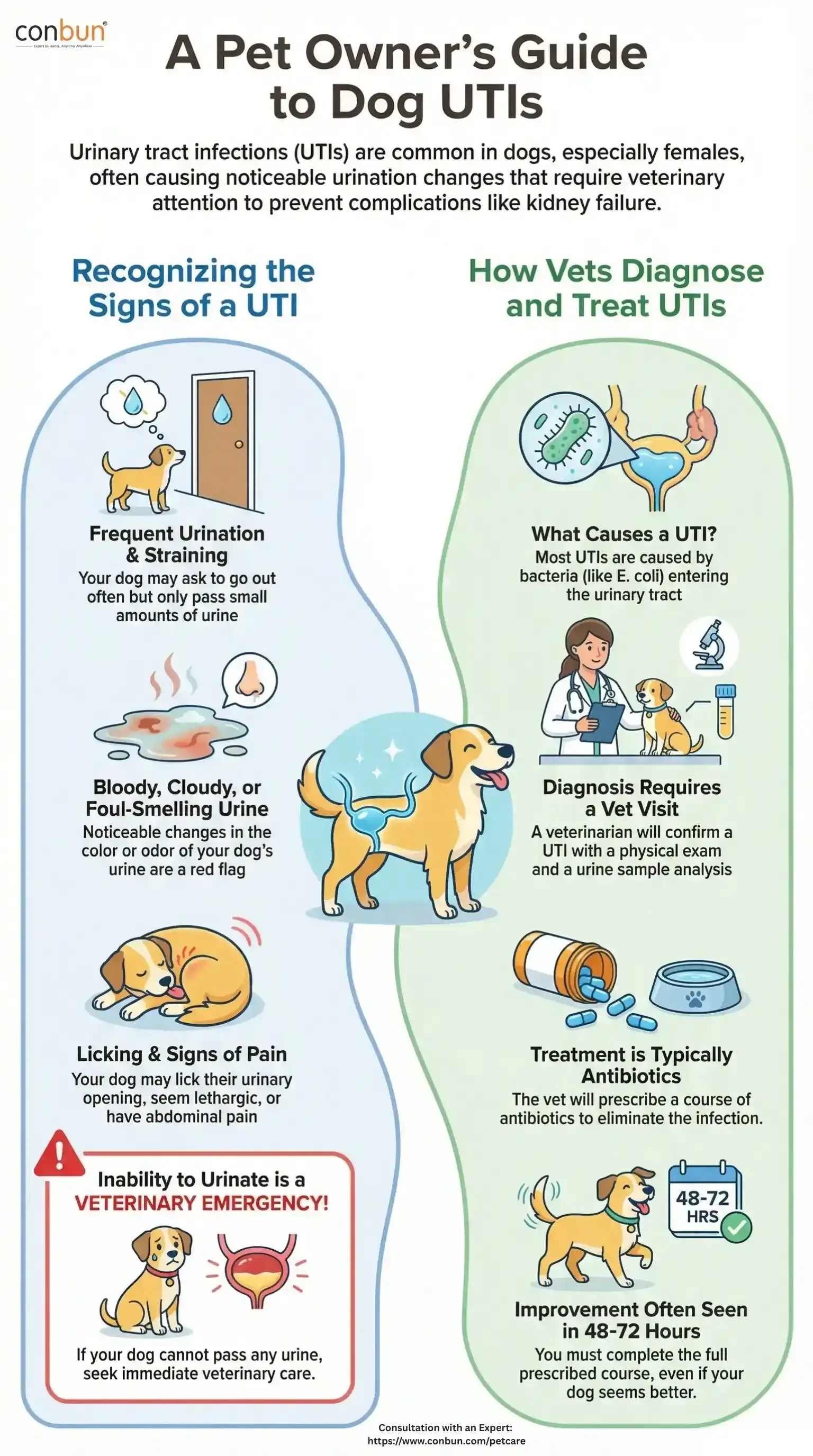
Urinary tract infections (UTIs) are a common ailment affecting approximately 14% of the canine population at some point in their lives. While older dogs (ages 7 and up) are more frequently diagnosed, younger pups can also develop UTIs. All breeds are susceptible, with female dogs being more prone due to their shorter urethras compared to males. This article delves into the causes, symptoms, diagnosis, treatment, and prevention of UTIs in dogs, emphasizing the importance of prompt veterinary care.
What is a Urinary Tract Infection in Dogs?
A UTI occurs when bacteria enter the bladder, a normally sterile area of the body, through the urethra. These bacteria then multiply, colonizing the urinary tract and leading to infection.
Signs and Symptoms of UTIs in Dogs
While dogs may not always show obvious symptoms, signs of a UTI can include:
- Increased thirst and drinking
- Incontinence or an inability to hold urine for normal durations
- Bloody or cloudy urine
- Decreased appetite
- Excessive licking around the genital area
- Fever
- Frequent, small-volume urination
- Apparent discomfort or distress during urination
- Lethargy
Dogs with conditions like diabetes, endocrine disorders (e.g., Cushing’s Disease), those undergoing chemotherapy or on immunosuppressive drugs, or long-term cortisone treatments are at a higher risk. Regular urine tests may be recommended for these dogs.
Causes of UTIs in Dogs
Bacteria, often E. coli, can travel up the urethra from the external environment, which is exposed to urine, feces, and debris. A weakened immune system due to age, youth, or illness can make it harder for a dog to fight off infection. If left untreated, the infection can spread to the kidneys, potentially causing pyelonephritis, kidney stones, or even kidney failure.
Canine Predisposition to UTIs
While any dog can develop a UTI, female dogs, older dogs, and those with pre-existing health issues like chronic kidney disease or Cushing’s disease are more predisposed.
Diagnosing a UTI in Dogs
Diagnosis involves collecting and testing a urine sample. A urinalysis (UA) examines the urine’s chemical properties and allows for visual inspection for crystals, cells, or bacteria. Common UA findings for a UTI include an excess of white blood cells, bacteria, and protein. However, diluted urine can sometimes mask these signs, necessitating a urine culture.
A urine culture is the definitive test for confirming a UTI. Urine is incubated to check for bacterial growth, identify the specific bacteria, and determine antibiotic sensitivity. Results typically take 3 to 5 days.
UTIs are classified as uncomplicated (first occurrence in a healthy dog, easily treated) or complicated (associated with anatomical abnormalities, recurrent, or treatment failure). Examples of complicated UTIs include pyelonephritis, bladder stones, and prostatitis, requiring correction of the underlying issue. Recurrent UTIs (three or more in 12 months) can be classified as reinfection (different bacteria) or relapse (same bacteria).
Treatment for UTIs in Dogs
Treatment varies based on the UTI’s classification. Uncomplicated UTIs are typically treated with a 7- to 14-day course of antibiotics. Significant improvement should be seen within days, but completing the full course is crucial. For complicated UTIs, treatment is longer, usually 3 to 6 weeks, though shorter courses may be effective with the right antibiotics. Increasing water intake is vital to help flush out bacteria.
While some owners explore natural remedies, there is no scientific evidence they can cure UTIs, and some may be unsafe for dogs. Consulting a veterinarian is essential, as UTI symptoms can mimic other serious conditions.
Are UTIs in Dogs Curable and Contagious?
UTIs in dogs can be cleared with antibiotics. They are not contagious to humans or other pets.
Cost of Treating UTIs in Dogs
Treatment costs vary by location and include:
- Office visit: Varies by clinic.
- Antibiotics: $25–$100+, depending on the drug, duration, and dog’s size.
- Tests: Urinalysis and urine cultures can cost up to a few hundred dollars.
Recovery and Management of UTIs in Dogs
Recovery time depends on the infection’s severity. Key management tips include:
- Ensuring access to fresh water and incorporating wet food into the diet.
- Administering medication exactly as prescribed and completing the full course.
- Providing frequent opportunities for urination to avoid holding urine for extended periods.
- Contacting your vet if no improvement is seen within 48 hours of starting treatment.
Consequences of Untreated UTIs
Untreated UTIs can lead to more severe conditions like kidney infections (pyelonephritis) or struvite bladder stones, which are painful and can predispose the dog to further infections.
Preventing UTIs in Dogs
Preventive measures include:
- Providing daily fresh, clean water to flush the urinary tract.
- Regular grooming around the urinary opening and bathing to prevent bacterial entry.
- Offering frequent opportunities for urination breaks.
- Feeding a healthy, balanced diet.
- Considering probiotic supplements.
- Consulting your vet about Vitamin C supplementation for immune support, as high doses can affect urine pH.
- Regular veterinary check-ups to detect potential issues early.
There is currently no vaccine for UTIs in dogs.
When UTI Symptoms Indicate Something More Serious
UTI symptoms can overlap with more severe conditions:
- Bloody urine: Can indicate UTIs, poisoning, kidney disease, trauma, cancer, or bladder stones.
- Difficulty urinating or no urination: A medical emergency that can signal urinary tract obstructions, scarring, spinal cord issues, trauma, cancer, or prostate disease.
- Changes in urination habits: Can be linked to diabetes, hypothyroidism, Cushing’s disease, cancer, trauma, or UTIs.
Summary
Urinary tract infections are common in dogs and can range from asymptomatic to causing frequent urination, increased thirst, and discomfort. Prompt treatment with antibiotics is crucial to prevent complications like kidney infections and is essential for your dog’s well-being. Preventive measures, including adequate hydration, regular exercise, and routine veterinary care, play a significant role in minimizing the risk of UTIs. Always consult your veterinarian if you suspect your dog has a UTI, as symptoms can indicate other serious health concerns.
