
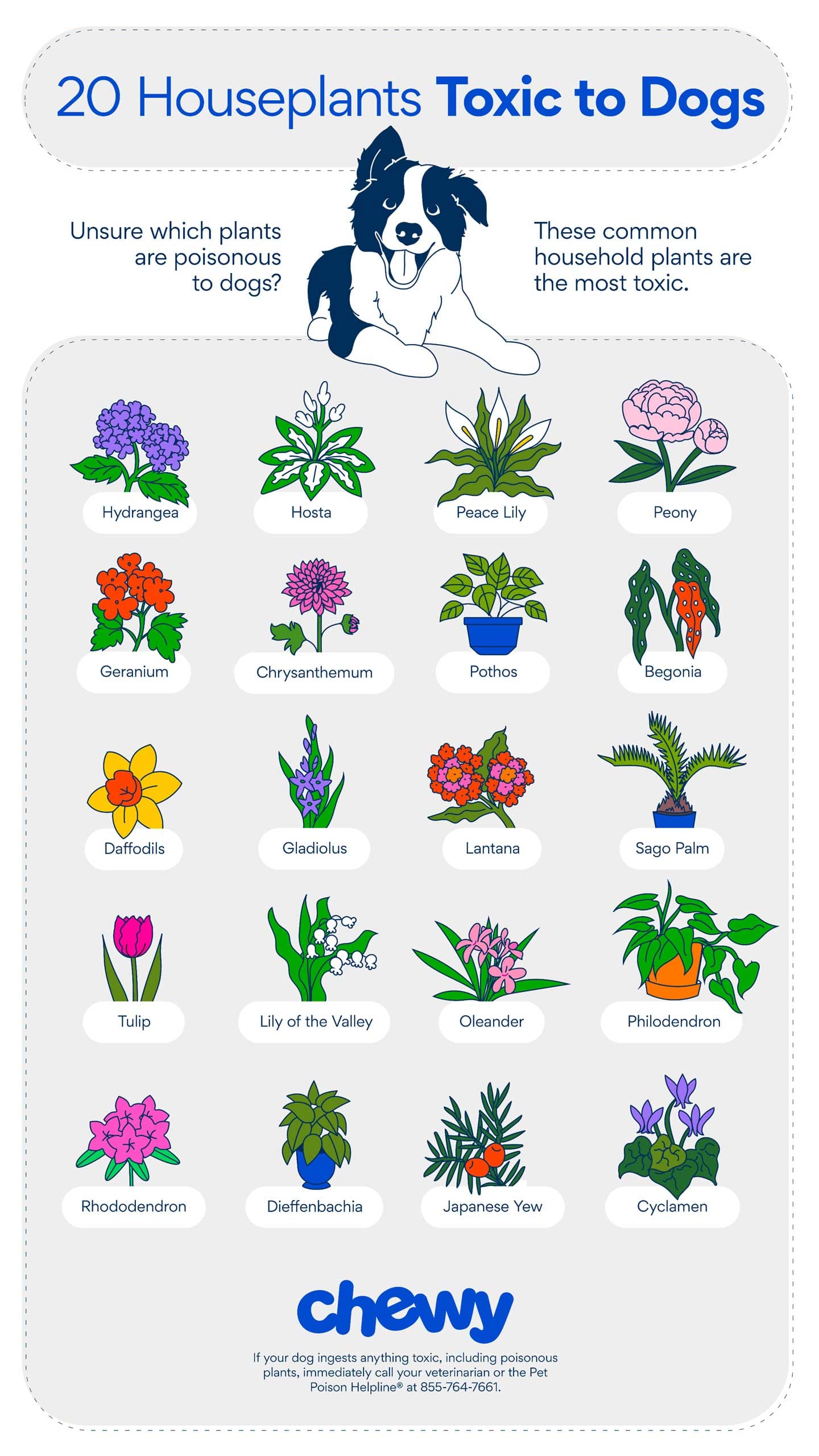
When dogs explore their surroundings, their curiosity can sometimes lead them to nibble on plants. While many plants are harmless, some can pose significant risks to your canine companion. Plant toxicity in dogs can manifest in various ways, ranging from mild gastrointestinal upset to severe, life-threatening conditions affecting vital organs. Understanding which plants are toxic and what symptoms to watch for is crucial for every dog owner.
What Plants Are Toxic to Dogs?
It’s a challenge to compile an exhaustive list of every plant that could be poisonous to dogs, as even non-toxic plants can cause an upset stomach if ingested in large quantities. However, certain plants are known to be particularly dangerous, with specific symptoms associated with their ingestion.
Flowers and Bulbs
Certain popular flowers and their bulbs contain toxins that can severely impact a dog’s health. For instance, daffodils and jonquils can cause vomiting, excessive drooling, diarrhea, tremors, seizures, abnormal heart rhythms, and breathing difficulties. Calla lilies, while beautiful, can lead to intense oral irritation, drooling, and vomiting. Foxglove is another dangerous plant, capable of inducing vomiting, diarrhea, irregular heartbeats, weakness, collapse, seizures, and even coma.
Chrysanthemums and daisies may result in vomiting, diarrhea, drooling, and a loss of coordination. Lily of the valley shares many of the severe symptoms of foxglove, including vomiting, diarrhea, heart rhythm abnormalities, weakness, collapse, seizures, and coma. The autumn crocus can cause significant gastrointestinal bleeding, damage to the liver and kidneys, and bone marrow suppression, leading to breathing difficulties. Tulips and hyacinths can also lead to vomiting, diarrhea, gastrointestinal bleeding, drooling, abnormal heart rhythms, breathing problems, and tremors. Amaryllis ingestion may cause vomiting, diarrhea, depression, drooling, and tremors.
Shrubs
Shrubs like Oleander are highly toxic, causing severe vomiting, diarrhea, abnormal heart rhythms, weakness, collapse, seizures, and coma. Azaleas and rhododendrons can result in vomiting, diarrhea, drooling, weakness, heart problems, and depression. Yew shrubs are also dangerous, potentially leading to vomiting, heart abnormalities, difficulty breathing, seizures, and sudden death.
Trees
Some trees also harbor toxic properties for dogs. The Sago palm, which can also be a houseplant, is particularly concerning. Ingestion can lead to vomiting, diarrhea, gastrointestinal bleeding, abnormal bleeding and bruising, liver damage, and coma. Buckeye, or horse chestnut, can cause vomiting, diarrhea, lack of coordination, behavioral changes (depression or over-excitement), dilated pupils, seizures, and coma. The Chinaberry tree may induce vomiting, diarrhea, drooling, depression, weakness, and seizures.
Houseplants
Many common houseplants can also be toxic to dogs. It’s essential to research any new plants before bringing them into a home with pets.
How Much of a Plant Is Toxic to a Dog?
The quantity of a toxic plant a dog consumes doesn’t always correlate directly with the severity of the reaction. Even a small amount can lead to serious health issues. Tragically, some dogs have died after ingesting just a single seed from a Sago palm.
If you suspect your dog has eaten a poisonous plant, it’s vital to seek professional advice immediately. Contacting your veterinarian or a pet poison control center, such as the Pet Poison Helpline at 855-764-7661, is essential for specific guidance and to determine the urgency of the situation.
Symptoms of Plant Toxicity in Dogs
The most frequently observed symptoms of plant poisoning in dogs are related to their digestive system. However, other clinical signs can manifest depending on the specific plant ingested. These can include:
- Vomiting
- Diarrhea
- Excessive drooling
- Difficulty swallowing
- Skin irritation
- General weakness or lethargy
- Collapse
- Tremors
- Seizures
- Lack of coordination
- Abnormal heart rhythms
- Breathing difficulties
- Liver damage
- Kidney damage
- Unusual bleeding and bruising
- Coma
What Should I Do if My Dog Ate a Poisonous Plant?
The immediate and most critical action if you suspect your dog has ingested a poisonous plant is to call your veterinarian or the Pet Poison Helpline (855-764-7661) without delay. They will provide tailored advice, which may include bringing your dog to the veterinary hospital for immediate treatment. In some less severe cases, they might suggest basic home care, such as feeding a bland diet.
It is crucial never to induce vomiting at home unless specifically instructed to do so by a veterinarian. Improperly inducing vomiting can worsen your dog’s condition or lead to further complications.
Treatment of Plant Toxicity in Dogs
The treatment plan for plant toxicity is highly individualized, depending on the type of plant ingested and the severity of the dog’s symptoms. Veterinary care may involve:
- Inducing vomiting under professional supervision.
- Pumping the dog’s stomach to remove ingested toxins.
- Administering activated charcoal or other medications to help absorb or eliminate toxins from the body.
- Intravenous fluid therapy to support hydration and organ function.
- Nutritional support to aid recovery.
- Pain management to alleviate discomfort.
- Medications to manage specific symptoms, such as seizures or abnormal heart rhythms.
Prognosis of Plant Toxicity in Dogs
With prompt veterinary care, many dogs who have ingested toxic plants can make a full recovery. However, there are unfortunately exceptions. If a dog consumes a very large quantity of a highly toxic plant, or if the plant is particularly fast-acting, the outcome can be fatal before effective treatment can be administered. Early recognition and intervention are key to a positive prognosis.
Prevention of Plant Toxicity in Dogs
The most straightforward and effective method for preventing plant poisoning is to eliminate toxic plants from your home and yard. Fortunately, numerous beautiful and safe flowers and plants are available for dog-owning households.
When visiting areas where you know toxic plants are present, keep your dog on a leash to maintain better control and supervision. For owners particularly concerned about their dog ingesting plants, a basket muzzle can be a useful tool to prevent chewing while still allowing the dog to pant and drink. Researching plants and understanding their potential dangers is the first step in safeguarding your canine companion.
