
Welcoming a dog into your life means embarking on a journey of care, love, and responsible feeding. As you explore nutritious options for your canine companion, you might wonder about the suitability of common human foods. Sweet potatoes, a popular and healthy choice for people, often raise the question: can dogs safely enjoy them too? The answer, according to veterinary professionals, is a resounding yes, provided they are prepared correctly. Fully cooked and unseasoned sweet potatoes can offer a beneficial, low-fat carbohydrate source for dogs, and they are even appearing as ingredients in commercial dog food and treats. However, it’s crucial to be aware of preparation methods and avoid certain additions that can be harmful. This guide will delve into everything you need to know about feeding sweet potatoes to your dog.
Are Sweet Potatoes Beneficial for Dogs?
When offered in moderation, sweet potatoes can indeed be a valuable addition to your dog’s diet, contributing a range of health benefits:
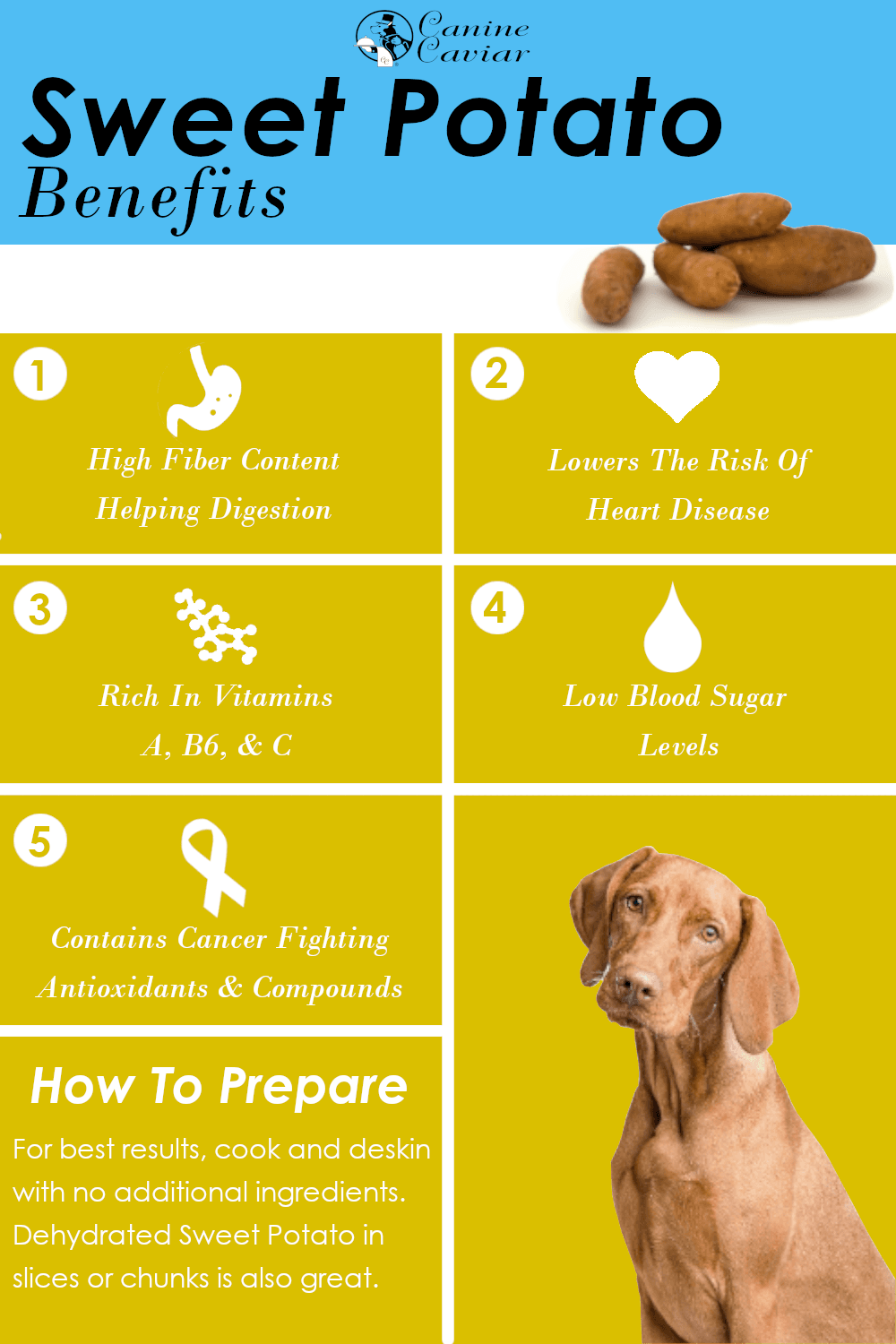
- Rich in Beta-Carotene: Similar to other vibrant orange vegetables like carrots, sweet potatoes are packed with beta-carotene. A dog’s body efficiently converts beta-carotene into vitamin A. This essential vitamin plays a critical role in maintaining good eye health, supporting a robust immune system, and promoting healthy cell growth.
- Essential Vitamins and Minerals: Beyond beta-carotene, sweet potatoes are a good source of other vital nutrients, including vitamin C, manganese, potassium, and iron, all of which contribute to your dog’s overall well-being.
- Antioxidant Properties: The antioxidants present in sweet potatoes can help protect your dog’s cells from damage caused by free radicals, which are unstable molecules linked to various health issues.
Given these nutritional advantages, incorporating plain, cooked sweet potato into your dog’s diet can be a healthy treat. Many dog owners find that their pets enjoy this versatile vegetable, and it can be a welcome change from standard kibble. For those looking for convenient options, exploring commercial dog food and dog treats featuring sweet potato can be a good starting point.
Potential Risks of Feeding Sweet Potatoes to Dogs
While generally safe, there are a few considerations to keep in mind when feeding sweet potatoes to your dog. Overfeeding or improper preparation can lead to certain issues:
- Digestive Upset: Introducing any new food, including sweet potatoes, too quickly or in large quantities can cause gastrointestinal distress, such as gas or loose stools. It’s always recommended to start with small, controlled portions.
- Allergic Reactions: Although rare, some dogs may exhibit an allergic reaction to sweet potatoes. Symptoms can include itching, recurrent ear infections, or digestive issues. If you notice any unusual signs after feeding your dog sweet potato, discontinue use and consult your veterinarian.
It’s important to remember that treats, including vegetables like sweet potatoes, should constitute no more than 10% of your dog’s total daily caloric intake. The remaining 90% should come from a well-balanced diet of commercially prepared dog food.
How Much Sweet Potato Can Dogs Safely Eat?
Determining the appropriate serving size is key to safely incorporating sweet potatoes into your dog’s diet. As a general guideline, treats should not exceed 10% of your dog’s daily caloric needs, with their primary diet making up the other 90%. When introducing cooked, plain sweet potato, begin with a small amount to gauge your dog’s reaction. The following table provides general serving size recommendations based on a dog’s weight:
| Dog Size | Serving Size | Frequency |
|---|---|---|
| Extra-small dogs (2–10 lbs) | 1 tablespoon | 2–3 times per week |
| Small dogs (11–20 lbs) | 1–2 tablespoons | 2–3 times per week |
| Medium dogs (21–50 lbs) | 2–3 tablespoons | 2–3 times per week |
| Large dogs (51–90 lbs) | 3 tablespoons | 2–3 times per week |
| Extra-large dogs (91+ lbs) | 4 tablespoons | 2–3 times per week |
Always remember that these are general guidelines. Consulting with your veterinarian is the best way to determine the ideal portion size and frequency for your individual dog, considering their specific health, age, and activity level.
Safe Preparation Methods for Sweet Potatoes
Proper preparation is crucial to ensure sweet potatoes are safe and easily digestible for your dog. Follow these steps:
- Wash and Peel: Thoroughly wash the sweet potatoes to remove any dirt. Peeling the skin is recommended because it can be tough for some dogs to digest and may pose a choking hazard, especially for smaller breeds.
- Cook Thoroughly: Never feed raw sweet potatoes to dogs. Cooking breaks down tough fibers, making them easier on your dog’s digestive system. Steaming, boiling, baking, or microwaving are all effective cooking methods.
- Chop or Mash: Once cooked, cut the sweet potato into bite-sized pieces that are easy for your dog to chew. For smaller dogs or those prone to choking, mashing the sweet potato is an excellent option.
Prepared sweet potato can be served in several ways:
- As a standalone soft treat.
- Mixed into your dog’s regular food for added nutrition and flavor.
- Spread onto a lick mat, such as the Frisco Silicone Treat Lick Mat, to provide mental stimulation.
Frequently Asked Questions About Dogs and Sweet Potatoes
Can puppies eat sweet potatoes?
Puppies can eat sweet potatoes, but only in very small, cooked, and plain portions. Their digestive systems are still developing, so it’s essential to introduce new foods gradually and monitor for any signs of upset.
Can dogs eat raw sweet potatoes?
No, dogs should not eat raw sweet potatoes. They are difficult to chew, can be a choking hazard, and may cause stomach upset. Always ensure sweet potatoes are fully cooked before offering them to your dog.
Can dogs eat sweet potato skins?
It is best to remove sweet potato skins before feeding them to your dog. While not toxic, the skins can be difficult to digest and increase the risk of choking or intestinal blockages.
Can dogs eat sweet potato fries?
While dogs can technically eat sweet potato fries, they are generally not the healthiest option. Most fries, whether homemade or store-bought, are fried in oil and often seasoned with salt, garlic, or onion powder, all of which can be harmful to dogs. If you wish to give your dog a “fry” treat, bake plain sweet potato pieces until crispy.
Feeding your dog sweet potatoes can be a healthy and enjoyable experience when done correctly. Always prioritize proper preparation and moderation, and when in doubt, consult your veterinarian for personalized advice.
