
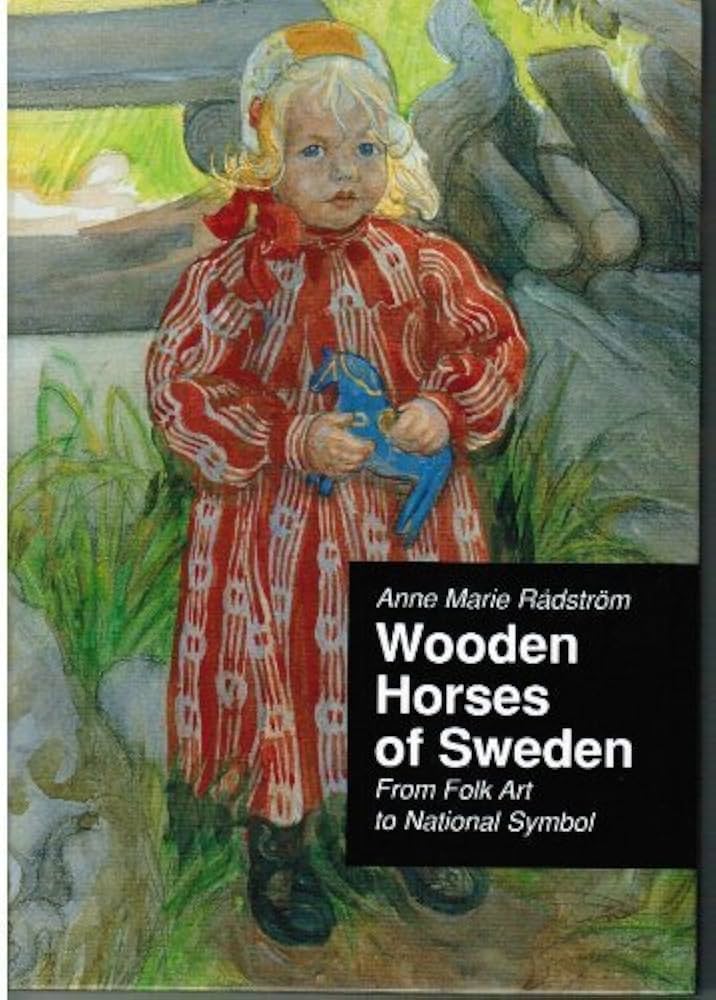
The Swedish Dala Horse, with its sturdy silhouette and vibrant floral patterns, is far more than a simple wooden souvenir. For many, it is the quintessential symbol of Sweden, a splash of cheerful colour that evokes images of Scandinavian forests and charming red cottages. But this beloved figurine is not just a piece of decor; it’s a carrier of history, a testament to artistry, and a beloved part of the Swedish Dala Horse Story. Carved from the nation’s soul, its journey from a humble forest toy to a global icon is a tale of resilience, craftsmanship, and cultural pride.
From Forest Toy to National Icon: The Origins
The story begins centuries ago in the heavily forested region of Dalarna, Sweden. During the long, dark Scandinavian winters, men would spend extended periods away from home, working in lumber camps. To pass the time in the evenings, and as a way to bring a piece of their world back to their children, these woodsmen would carve figures from scraps of wood. While many animals were carved, the horse was the most common. In a rural society, a real horse was an invaluable asset—a symbol of strength, loyalty, and a partner in the hard work of farming and forestry. These small wooden creations were loving gifts for the children waiting back home.
These early horses were simple, unpainted figures, meant purely for play. By the 17th century, these wooden horses began appearing in local markets, and their popularity grew. It wasn’t just woodsmen; a legend from the 18th century tells of soldiers under King Charles XII who were quartered in homes across Dalarna during a harsh winter. To repay their hosts for meager meals, soldiers would carve and gift these little horses, thus connecting the Dala horse with survival and gratitude.
The Art of Creation: A Labor of Love
What elevates a Dala horse from a simple toy to a work of folk art is the meticulous process behind its creation. Each authentic Dala horse is handcrafted, ensuring that no two are ever truly identical.
Carving by Hand
The process starts with a single piece of high-quality pine wood. Craftsmen use traditional band saws to cut out the basic shape, but the final, detailed form is achieved entirely by hand with a sharp whittling knife. This skilled carving gives each horse its unique character, from the curve of its neck to the sturdiness of its legs. It’s a craft passed down through generations, particularly in the small village of Nusnäs, which remains the heart of Dala horse production.
The Iconic Kurbits Painting
After carving, the horse is submerged in a primer and then a base coat of paint. While they come in many colours today, the traditional and most famous colour is a deep, vibrant red, historically derived from the copper mines of the Falun area in Dalarna.
Once the base coat is dry, the magic truly begins. Master painters take over, using delicate brushes to apply the distinctive decorative saddle and harness. This colourful, whimsical style is known as kurbits painting. It is a type of fantasy folk art featuring stylized gourds, leaves, and flowers. The term kurbits is believed to be a Dalarna dialect version of the German word Kürbis, meaning gourd, and is linked to the biblical story of Jonah, where a gourd vine grew to give him shade, symbolizing hope and vitality.
Dr. Astrid Johansson, a fictional folklorist specializing in Scandinavian crafts, explains, “The kurbits pattern on the Dala horse is not just decoration. It represents the dream of a bountiful summer during a long, hard winter. It’s a painted prayer for prosperity and life, making the horse a carrier of good fortune.”
The 1939 New York World’s Fair: A Star is Born
For centuries, the Dala horse was a treasured, yet mostly local, tradition. Its international fame is a relatively recent phenomenon, thanks to the 1939 New York World’s Fair. To represent Sweden at the global event, a massive Dala horse statue was placed outside the Swedish pavilion. This giant, brightly painted figure was an instant sensation, capturing the imagination of visitors from around the world. The charming simplicity and vibrant artistry of the horse perfectly encapsulated a positive and appealing image of Sweden. Following the fair, demand soared, and thousands of Dala horses were exported to the United States, cementing the Swedish Dala horse story on the world stage.
What Does the Dala Horse Symbolize?
Today, the Dala horse is rich with meaning, representing several core aspects of Swedish identity and values.
- Strength and Courage: Reflecting the qualities of the living animal it’s modeled after, the horse is a symbol of fortitude and dignity.
- Swedish Heritage: It represents a deep connection to Swedish roots, folk art tradition, and the rural history of the nation.
- Handicraft and Artistry: Each horse is a testament to the value of skilled, manual work and the beauty of handmade objects in a mass-produced world.
- A Token of Good Luck: Given as a gift, a Dala horse is considered a token of welcome and a wish for good fortune and happiness.
The Dala Horse in Modern Sweden
While its roots are firmly planted in the past, the Dala horse is very much alive in modern Sweden. It is a cherished national symbol, often given by the Swedish government as an official gift to foreign dignitaries. Beyond the traditional red, horses are now produced in a rainbow of colours, from classic blue and white to modern black and even custom designs. The iconic shape has inspired countless other products, from textiles and ceramics to jewelry. It continues to be a top-selling souvenir, a piece of Sweden that visitors can take home with them.
Frequently Asked Questions (FAQ)
Why is the Dala horse usually red?
The traditional bright red colour comes from Falu red, a pigment produced as a byproduct of the copper mines in Falun, Dalarna. It was a readily available and durable paint that has been used to paint Swedish houses for centuries, making it a natural choice for the horses.
What is a Dala horse made of?
Authentic Dala horses are carved from a single block of slow-growing pine wood, which is sourced from the forests around Lake Siljan in Dalarna.
Where are real Dala horses made?
The most famous and traditional workshops are located in the village of Nusnäs in Dalarna, Sweden. The families of Grannas A. Olsson and Nils Olsson have been crafting them there since the 1920s.
What is the pattern on a Dala horse called?
The distinctive, colourful floral pattern painted on a Dala horse is called “kurbits.” It is a traditional style of Swedish folk painting that symbolizes vitality and good luck.
Is a Dala horse a good luck charm?
Yes, it is widely considered a symbol of good luck, strength, and happiness. It is a very popular gift for occasions like housewarmings, weddings, and births.
A Timeless Legacy
From a child’s simple plaything carved in a remote forest to an internationally recognized emblem of a nation, the Swedish Dala horse story is a remarkable journey. It stands as a proud, colourful testament to the enduring power of tradition, the beauty of handcrafted art, and the quiet strength it represents. More than just a wooden figure, the Dala horse is the heart of Swedish heritage, carved in wood and painted with joy.
