
As dogs age, the possibility of them developing canine cognitive dysfunction syndrome (CCD), also known as doggy dementia, increases significantly. By age 11, approximately one-third of dogs will experience this condition. Symptoms such as increased anxiety, confusion, altered behaviors, and house soiling can transform a dog’s senior years into a more challenging period for both the pet and their owner. Fortunately, there is promising evidence that specific nutrients can play a role in slowing cognitive decline in senior dogs. Understanding CCD and its effects on the brain is the first step in exploring how nutrition and supplements for dog dementia can offer support.
Understanding Canine Cognitive Dysfunction
As dogs mature, natural physical changes occur in their brains, impacting their cognitive abilities, including learning, memory, and information processing. These changes are influenced by genetics and other factors, mirroring aspects of Alzheimer’s disease in humans. The primary causes contributing to cognitive decline in dogs include:
- Reduced Blood Flow and Glucose: The brain may struggle to receive adequate blood flow and essential glucose.
- Amyloid Plaques: Clumps of calcium and proteins, known as amyloid plaques, can accumulate in neurons.
- Toxin Buildup and Inflammation: Impaired cellular toxin clearance can lead to chronic inflammation within the brain.
- Oxidative Stress: Free radicals can damage brain cells, a process termed oxidative stress.
Understanding these underlying mechanisms highlights the potential role of diet in mitigating these effects and limiting brain damage.
Anti-Inflammatory Diet for Doggy Dementia
A key strategy in managing CCD is to reduce inflammation in the brain. This can be achieved by focusing on an anti-inflammatory diet:
Prioritize Raw or Minimally Processed Foods
A diet based on fresh, whole foods, ideally raw, is recommended to minimize inflammation. Heat-processed foods, such as dry kibble and canned food, can release inflammatory advanced glycation end products (AGEs). Research indicates that AGEs can accumulate in the neurons of aging dogs’ brains. Additionally, extruded foods like kibble may activate pro-inflammatory genes known as cytokines. Therefore, opting for natural, unprocessed food is crucial for reducing inflammation.
Incorporate Anti-inflammatory Ingredients
You can enhance your dog’s diet with natural anti-inflammatory ingredients such as CBD oil, bone broth, berries, and small quantities of vibrantly colored vegetables. Certain phytonutrients found in these foods, including lutein, zeaxanthin, and beta-cryptoxanthin, have shown benefits in preventing dementia in humans and may offer similar advantages for dogs. Excellent sources include:
- Egg yolks
- Apples
- Papaya
- Cantaloupe
- Fish
- Carrots
- Orange and yellow bell peppers
When selecting meats, choose lean options with low saturated fat content, with pasture-raised sources being preferable. For fish, opt for sustainable, wild-caught varieties. Smaller fish like sardines tend to accumulate fewer contaminants. Limit poultry intake due to its high omega-6 fatty acid content, which can promote inflammation.
Fueling the Brain and Enhancing Blood Flow
Ensuring the brain has an alternative energy source and improving blood flow are critical for maintaining cognitive function in aging dogs.
MCT Oil and Ketones
Providing neurons with adequate energy is paramount. When glucose availability is reduced, ketones can serve as an alternative fuel source for the brain. Pure MCT oil is particularly effective as it is rapidly converted into ketones in the liver. It also facilitates the passage of the omega-3 fatty acid DHA across the blood-brain barrier, which is vital for optimal brain function. Learn more about the brain benefits of MCT oil for dogs.
Omega-3 Fatty Acids
Omega-3 fatty acids, specifically EPA and DHA, play a crucial role in reducing inflammation, improving cerebral blood flow, and reinforcing the cell membranes of neurons. These are indispensable for aging dogs. Adding omega-3s can help manage chronic inflammation in the senior dog’s brain. For a sustainable and effective source of EPA and DHA, green-lipped mussel extract is a highly recommended option. For a comprehensive understanding of omega fatty acids, this article on omega oils for dogs provides further insights.
Another significant anti-inflammatory fat is gamma-linolenic acid (GLA). Emerging research suggests GLA can protect the brain from AGEs, which are detrimental to memory. Ahiflower oil stands out as the richest source of GLA and a good provider of other key omegas like Stearidonic Acid (SDA).
In summary, the three top oil recommendations for canine cognitive dysfunction are:
- MCT oil
- Green-lipped mussel extract
- Ahiflower oil
Ginkgo Biloba
While previously thought to primarily improve blood flow, ginkgo biloba’s main benefit lies in its anti-inflammatory and antioxidant properties, which protect brain cells from damage. Studies indicate that supplementing senior dogs with ginkgo biloba (40 mg per 10 kg of body weight) can lead to behavioral improvements within approximately eight weeks.
B Vitamins
Folic acid is a beneficial B vitamin that supports blood flow. A significant advantage of B vitamins is their potential to prevent cerebrovascular issues by lowering homocysteine, a disease marker. Key B vitamins include:
- Cobalamin (B12)
- Thiamin (B1)
- Folic acid (B9)
- Pyridoxine (B6)
Natural sources of these vitamins include fish (especially sardines or herring), salmon, tuna, and organ meats. As B vitamins are water-soluble, any excess is excreted in the urine, making supplementation safe.
Combating Free Radicals and Oxidative Damage
Reducing free radicals that damage brain cells and mitochondria is another critical step in supporting dogs with dementia. Free radicals are unstable atoms produced during metabolic processes that can damage cells, contributing to aging and disease. Therefore, dogs require antioxidants to combat these free radicals and mitochondrial cofactors to support cellular function.
Mitochondrial Cofactors
Essential mitochondrial cofactors include the amino acid L-carnitine and the antioxidant alpha-lipoic acid. These are vital for the aging brain. Certain breeds, such as Doberman Pinschers and Boxers, are prone to carnitine deficiencies and may benefit from supplementation. Red meat, organ meat, poultry, and fish are natural sources of these compounds.
Antioxidants
Several antioxidants are crucial for fighting free radicals and protecting brain cells. Vitamins E and C are particularly important. A diet rich in brightly colored vegetables like spinach, carrots, and berries can provide ample Vitamin C and other antioxidants. However, supplementing with Vitamin E is advisable as it can be challenging to obtain sufficient amounts through diet alone. Other vital antioxidants include:
- CoQ10
- Selenium (works synergistically with Vitamin E)
Phosphatidylserine is another supplement showing promising results in enhancing intercellular signaling.
A study demonstrated positive outcomes with the following supplement combination:
| Supplement | Small dog dosage (< 10 kg / 22 lbs) | Large dog dosage (> 10 kg / 22 lbs) |
|---|---|---|
| Omega-3 fatty acids (DHA/EPA) | 35 mg | 70 mg |
| Vitamin C | 20 mg | 40 mg |
| L-Carnitine | 13.5 mg | 27 mg |
| α-Lipoic acid | 10 mg | 20 mg |
| Vitamin E | 10 mg | 20 mg |
| CoQ10 | 1 mg | 2 mg |
| Phosphatidylserine | 1 mg | 2 mg |
| Selenium | 25 mcg | 50 mcg |
Clearing Amyloid Plaques and Calcium in Neurons
Addressing the buildup of waste products within brain cells, such as amyloid plaques and excess calcium, is another key dietary focus.
Choline
Choline is an essential nutrient vital for brain development and the synthesis of neurotransmitters like serotonin and dopamine. It also helps inhibit the production of amyloid plaques. Choline supplements are available for dogs with cognitive dysfunction. Natural sources include eggs, organ meats (kidneys, liver), and shiitake mushrooms.
Other nutrients that aid in clearing amyloid plaque include:
- Turmeric extract (curcumin)
- Green tea extract
- Black pepper extract
Lion’s Mane Mushroom
Lion’s Mane Mushroom (Hericium erinaceum) has shown encouraging results in managing Alzheimer’s and dementia. It appears to assist in clearing amyloid plaques and has demonstrated benefits in reducing inflammation and supporting neuron survival, function, and development. While not specifically studied in dogs, animal studies have not indicated toxicity.
Additional Nutrients for Brain Health
L-Arginine
L-arginine is an essential amino acid crucial for immune, renal, and gut health. Standard dog food formulated to meet AAFCO guidelines may not contain sufficient arginine for aging dogs, who have higher requirements. Studies indicate that senior dogs fed diets with arginine levels exceeding AAFCO guidelines exhibit improved cognitive function. Arginine is available as a supplement.
Taurine
Taurine is another potentially beneficial amino acid. While dogs can synthesize taurine from L-methionine and L-cysteine, certain breeds, including Golden Retrievers, Newfoundlands, Cocker Spaniels, and Bulldogs, may struggle to produce adequate amounts. Supplementing with taurine can be beneficial for aging dogs and for those with known deficiencies. The brain contains a significant amount of taurine, making it important for overall brain health, as well as for cardiac and ocular function. Shellfish (clams, mussels, scallops), turkey, and chicken are among the richest sources of taurine.
S-Adenosylmethionine (SAMe)
SAMe is naturally present throughout the body and plays a role in protecting cell membranes and regulating neurotransmitters like dopamine and serotonin. Research suggests SAMe can help maintain activity and awareness in older dogs. It is often available as a liver support supplement at veterinary stores.
PEA (Palmitoylethanolamide)
PEA is a potent anti-inflammatory compound that interacts with similar receptors as CBD. It shows significant promise in modulating the activity of brain cells involved in inflammation, such as microglial and astrocyte cells. Therefore, PEA is a valuable supplement to consider. You can explore the benefits of PEA for brain health here.
Conclusion
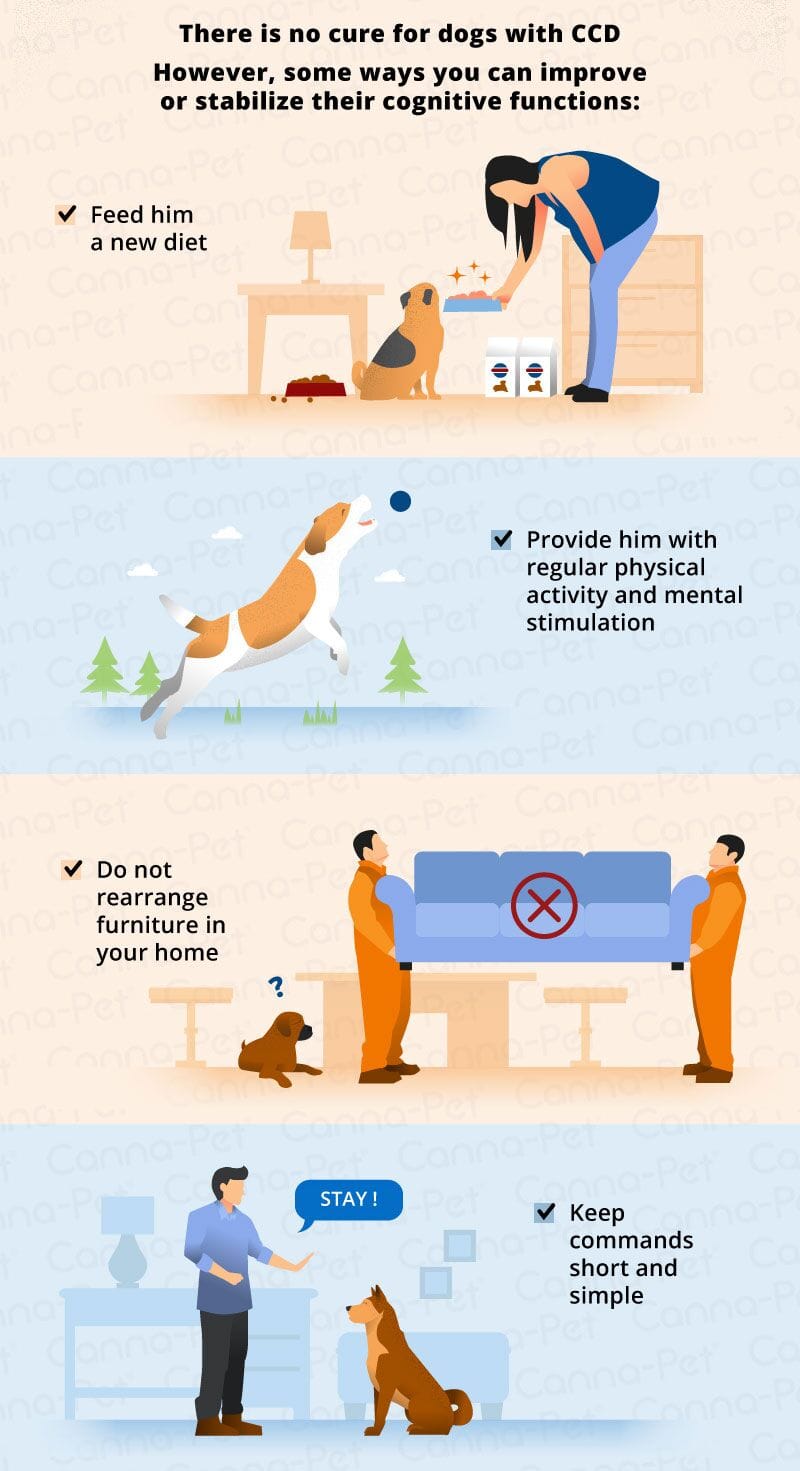
Implementing dietary strategies for doggy dementia can be an effective way to slow cognitive decline. Understanding the necessary nutrients and supplements for senior dogs is crucial. While prevention is ideal, feeding a nutritious diet from a young age can contribute to graceful aging. Maintaining an active lifestyle with regular exercise, playtime, and mental stimulation can further support your aging dog’s cognitive well-being.
References:
- Pan, Y. (2021). Nutrients, cognitive function, and brain aging: What we have learned from dogs. Medical Sciences, 9(4), 72.
- Dewey CW, Davies ES, Xie H, Wakshlag JJ. (2019). Canine cognitive dysfunction: pathophysiology, diagnosis, and treatment. Veterinary Clinics: Small Animal Practice, 49(3), 477-99.
- Weber K, Schmahl W, Münch G. (1998). Distribution of advanced glycation end products in the cerebellar neurons of dogs. Brain research, 791(1-2), 11-7.
- Anderson RC, Armstrong KM, Young W, Maclean P, Thomas DG, Bermingham EN. (2018). Effect of kibble and raw meat diets on peripheral blood mononuclear cell gene expression profile in dogs. The Veterinary Journal, 234, 7-10.
- Landsberg G. (2006). Therapeutic options for cognitive decline in senior pets. Journal of the American Animal Hospital Association, 42(6), 407-13.
- Reichling J, Frater-Schröder M, Herzog K, Bucher S, Saller R. (2006). Reduction of behavioural disturbances in elderly dogs supplemented with a standardised Ginkgo leaf extract. Schweizer Archiv für Tierheilkunde, 148(5), 257-63.
- Cotman CW, Head E, Muggenburg BA, Zicker S, Milgram NW. (2002). Brain aging in the canine: a diet enriched in antioxidants reduces cognitive dysfunction. Neurobiology Of Aging, 23(5), 809-18.
- Heath SE, Barabas S, Craze PG. (2007). Nutritional supplementation in cases of canine cognitive dysfunction—A clinical trial. Applied Animal Behaviour Science, 105(4), 284-96.
- Kushairi N, Tarmizi NA, Phan CW, Macreadie I, Sabaratnam V, Naidu M, David P. (2020). Modulation of neuroinflammatory pathways by medicinal mushrooms, with particular relevance to Alzheimer’s disease. Trends in Food Science & Technology, 104, 153-62.
- Kawagishi H, Zhuang C, Shnidman E. (2004). The anti-dementia effect of Lion’s Mane mushroom (Hericium erinaceum) and its clinical application. Townsend Letter for Doctors and Patients, 249, 54-7.
- Pan Y, Kennedy AD, Jönsson TJ, Milgram NW. (2018). Cognitive enhancement in old dogs from dietary supplementation with a nutrient blend containing arginine, antioxidants, B vitamins and fish oil. British Journal of Nutrition, 119(3), 349-58.
- Chen C, Xia S, He J, Lu G, Xie Z, Han H. (2019). Roles of taurine in cognitive function of physiology, pathologies and toxication. Life Sciences, 231, 116584.
- Pan Y. (2021). Nutrients, Cognitive function, and brain aging: What we have learned from dogs. Medical Sciences, 9(4), 72.
- Scuderi C, Golini L. (2021). Successful and unsuccessful brain aging in pets: Pathophysiological mechanisms behind clinical signs and potential benefits from palmitoylethanolamide nutritional intervention. Animals, 11(9), 2584.
- Mar-Solís LM, Soto-Domínguez A, et al. (2021). Analysis of the anti-inflammatory capacity of bone broth in a murine model of ulcerative colitis. Medicina, 57(11), 1138.
- Khan SA, Haider A, Mahmood W, Roome T, Abbas G. (2017). Gamma-linolenic acid ameliorated glycation-induced memory impairment in rats. Pharmaceutical Biology, 55(1), 1817-23.
