
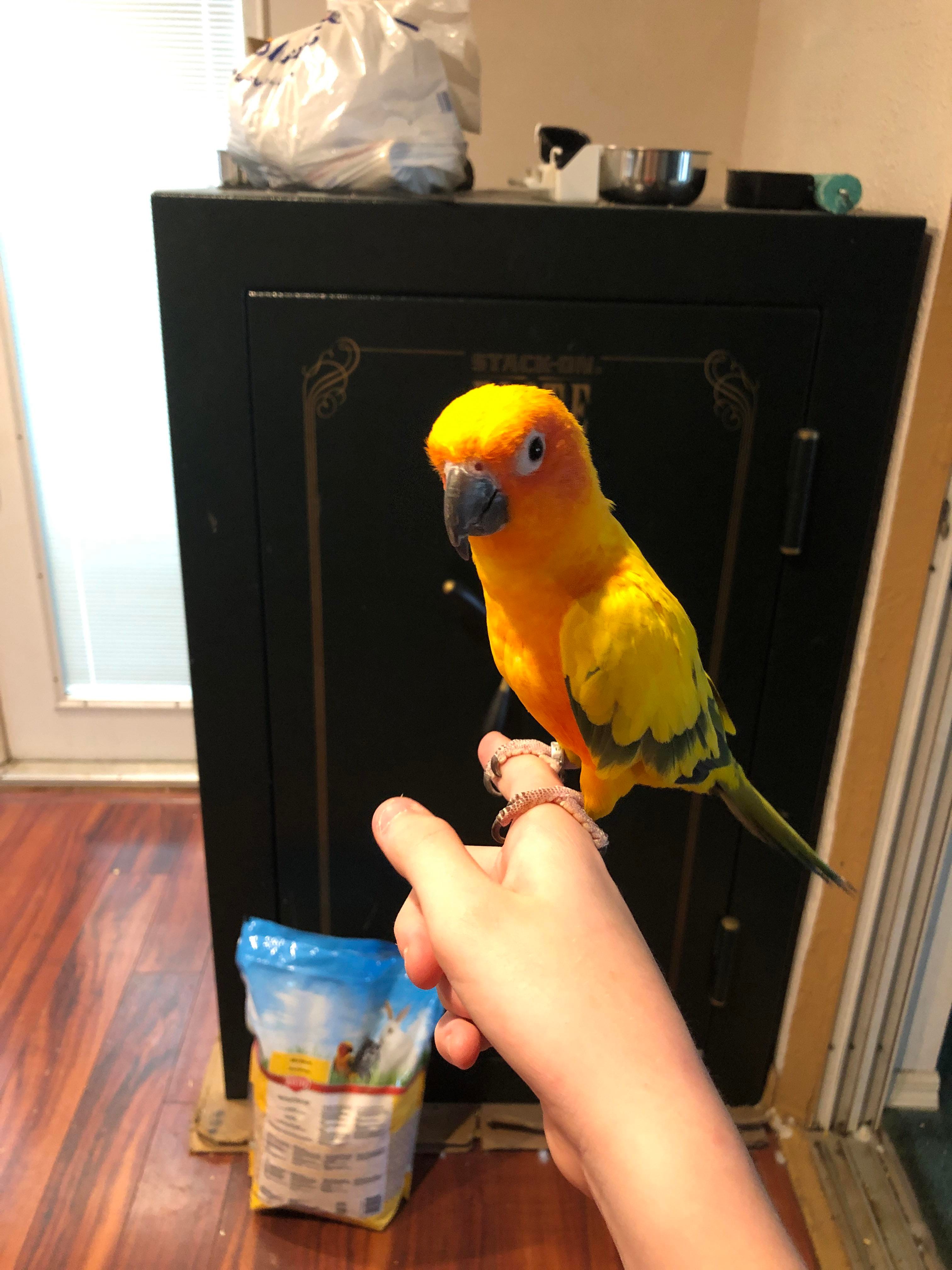
This article addresses concerns about excessive vocalization in conure parrots, offering insights and strategies for owners experiencing similar issues with their birds. The primary focus is on understanding the reasons behind such vocalizations and how to manage them effectively.
The Nuance of Conure Screaming
Conures, particularly sun conures, are known for their vocal nature. While some level of vocalization is normal for these birds, persistent and excessive screaming can be a cause for concern for owners. It’s important to recognize that constant screaming is not typical and usually stems from an underlying reason. The key to managing this behavior lies in identifying the cause and addressing it appropriately, rather than simply ignoring or punishing the bird, which can inadvertently reinforce the behavior.
When a conure screams, it’s crucial to differentiate between attention-seeking vocalizations and those indicating genuine needs or distress. If the screaming is a response to an empty food dish or a perceived threat, these are situations that warrant attention and resolution. However, owners should be cautious not to reward screaming by immediately providing treats or excessive attention, as this can lead the bird to associate screaming with positive reinforcement.
Living with a Vocal Bird in Close Quarters
Successfully housing a vocal bird like a sun conure, even in an apartment setting, is possible with careful consideration and management. While sun conures are not typically recommended as apartment birds due to their noise level, it can be managed, especially in environments with fewer close neighbors. Open communication with neighbors and a good relationship with your landlord can be significant assets. In situations where a landlord is understanding and a tenant is responsible, minor noise disturbances during the day may be tolerated, particularly if the bird is not being disruptive during quiet hours.
It’s also beneficial to have a rapport with your neighbors. If most neighbors are understanding or if there are only a few close by, managing noise becomes more feasible. A tenant who is well-regarded by their landlord and neighbors is more likely to find understanding and flexibility when it comes to the natural vocalizations of their pet bird.
Strategies for Managing Excessive Vocalization
Addressing excessive screaming in conures involves a multi-faceted approach. Firstly, rule out any basic needs that might be unmet, such as hunger, thirst, or a need for a clean cage. Ensure the bird has a consistent and appropriate diet, fresh water, and a comfortable living environment.
Secondly, consider environmental enrichment. Boredom and lack of stimulation can lead to behavioral issues, including excessive vocalization. Provide a variety of toys, foraging opportunities, and rotate them regularly to keep your conure engaged. Interaction and training sessions can also help tire the bird out mentally and physically.
Thirdly, establish a consistent routine. Birds thrive on predictability. Regular feeding times, playtimes, and sleep schedules can help reduce anxiety and the likelihood of screaming due to uncertainty. Ensure the bird gets adequate sleep, as fatigue can also contribute to irritability and noise.
Finally, when addressing screaming, focus on positive reinforcement for desired behaviors. Reward quietness and calm behavior with praise and treats. If the screaming is attention-seeking, try to ignore it initially, and only engage with the bird when it is quiet. This teaches the bird that calm behavior garners attention, not loud vocalizations. For situations that genuinely require attention, such as a perceived threat or an urgent need, it is important to respond promptly and appropriately.
In conclusion, while conures are naturally vocal, excessive screaming can often be managed through understanding the underlying causes, providing adequate stimulation, establishing routines, and employing consistent positive reinforcement techniques. By addressing the bird’s needs and carefully managing their environment and your responses, you can foster a more peaceful coexistence with your feathered companion.
