
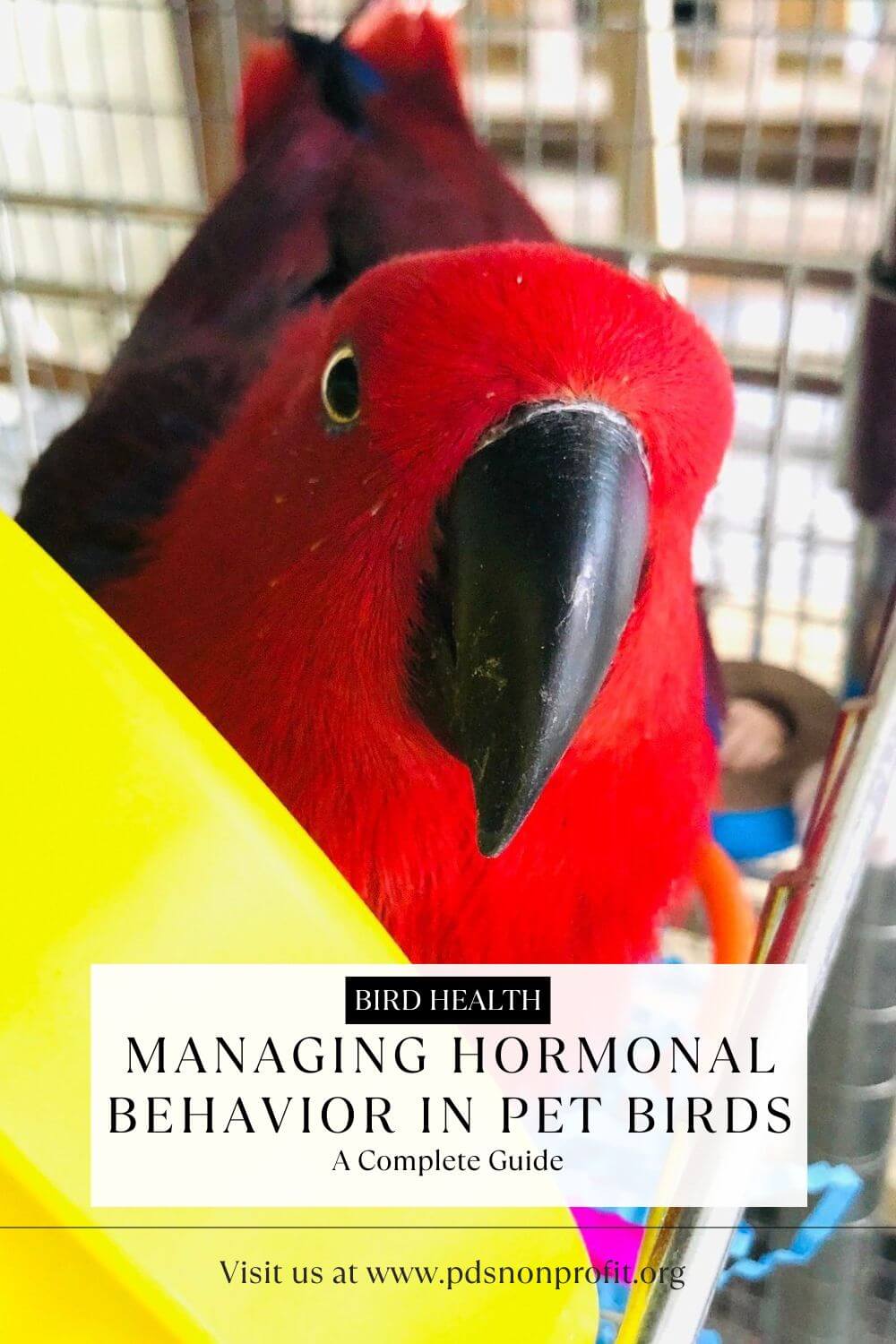
As dedicated pet bird owners, we strive to create the most enriching and safe environment for our feathered companions. However, navigating the complexities of their natural instincts, particularly concerning hormonal behaviors and egg-laying, can be challenging. This guide addresses common concerns, such as the dangers of certain accessories and how to manage reproductive instincts to maintain a harmonious relationship with your birds.
The Dangers of “Happy Huts” and Nesting Materials
One critical piece of advice for the health and safety of pet birds, especially conures, is to immediately remove and discard “happy huts” or similar fabric-based nesting structures. The fibers within these huts pose a significant and often fatal risk. Birds tend to chew and ingest these fibers, which can accumulate in their digestive tracts, leading to blockages and ultimately death. Furthermore, these fibers can adhere to feathers, and birds may accidentally ingest them while grooming. Beyond the physical dangers, these huts act as potent hormone triggers. Reputable organizations, including the Association of Avian Veterinarians, strongly advise against their use for pet birds due to these severe risks.
Addressing Hormonal Triggers and Discouraging Egg Laying
Your birds’ pair bond is likely influenced by their strong attachment to you, which can complicate breeding behaviors. While they are at an age where breeding is possible, several strategies can help manage and discourage excessive egg-laying. The core principle is to eliminate or minimize all external hormone triggers.
Key strategies include:
- Modify Physical Contact: Cease any form of body-petting or close physical contact below the neck. Petting should be limited to the head and neck area, as only a bonded mate typically engages in body grooming. Allowing your birds into your shirt or resting them on your lap can be interpreted as creating a nest and further stimulates hormonal responses. Redirect your interactions towards training or play.
- Control Light Exposure: Reduce the birds’ daily light exposure to 8-10 hours by covering their cage in the early evening. Longer daylight hours and warmer weather, combined with abundant food and a private environment, signal readiness for breeding.
- Eliminate Nesting Opportunities: Provide absolutely nothing that can be construed as a nest. This includes avoiding bird huts, tents, boxes, or bowls where they might settle. If a bird shows nesting behavior in a food bowl, replace it with smaller, separate cups.
- Limit Shredding Materials: Refrain from giving birds materials they can shred, such as paper or cardboard, as this can also stimulate nesting instincts.
- Frequent Environmental Changes: Regularly rearrange toys within the cage. More importantly, move the cage to a different location in the room approximately once a week, or whenever nesting behaviors are observed (e.g., settling on the cage floor). This disruption prevents the birds from establishing a fixed, secure environment conducive to nesting.
- Adjust Diet: If you offer a significant amount of fresh foods, temporarily stop for a couple of weeks. Afterward, reintroduce fresh foods only in small quantities, two to three times a week. Resume a normal feeding routine once hormonal behaviors subside.
- Supervise Out-of-Cage Time: When allowing your birds supervised time outside their cage, prevent them from entering dark, cozy spaces and do not permit free roaming.
- Cage Floor Management: If your cage lacks a metal floor grate, avoid using bedding or paper in the tray. Keep the tray bare and clean it daily.
These modifications should apply to both birds in the pair, not just the hen.
Understanding the Egg-Laying Cycle
A hen typically lays 4-6 eggs, with approximately one day between each egg. However, without a designated nest, the laying schedule may be irregular. It’s also possible the bird may be laying and consuming the eggs. Each egg takes about 48 hours to form. You can choose to remove the eggs as they are laid or allow the hen to sit on them. For parrot species, this often doesn’t significantly alter the outcome, though sometimes allowing them to complete the nesting process can help them “get it out of their system.”
Long-Term Implications of Hormonal Behavior
As your birds mature, you may notice significant shifts in their behavior as pets. Their natural instinct is to establish a single mate, and other flock members, including humans, can be perceived as rivals. Managing hormonal triggers is crucial for maintaining a tame and interactive pet relationship. Increased mating and nesting behaviors will inevitably lead to reduced interest in interacting with people.
If you decide to allow your birds to nest and raise chicks, you must cease all human contact with them. Failing to do so can confuse the birds, creating a conflict between their bond with you and their instinctual drive towards their mate. This confusion can escalate to aggression towards you or even lead to one bird harming the other. As they mature, these behaviors can intensify. Any aggression shown is a natural instinctual response, not a personal rejection.
Veterinary Intervention for Persistent Egg Laying
For persistent egg-laying issues, a veterinarian may recommend a hormone implant for the hen, which can temporarily suppress egg production for a few months. However, be aware that this can alter her bond with the male and potentially make her unreceptive to breeding, which could, in turn, lead to aggression from the male towards her.
Navigating these hormonal changes requires patience, understanding, and consistent application of the strategies outlined above. For a more in-depth understanding of these complex behaviors, consider exploring resources such as webinars dedicated to avian hormones and reproductive health. By making these adjustments, you can help ensure a happier, healthier, and safer environment for your beloved pet birds.
