
Bringing a canine companion into your home is a joyous occasion, but it also comes with responsibilities, and training is paramount. When considering the cost of suburban K9 dog training, it’s essential to understand the various factors that influence pricing. This comprehensive guide will walk you through the typical expenses, what’s included, and how to get the most value for your investment in your dog’s future.
Understanding the Factors Affecting Training Costs
The price of suburban K9 dog training isn’t a one-size-fits-all figure. Several elements contribute to the overall cost, and knowing these can help you budget effectively and choose the right program for your needs.
Program Type and Duration
The most significant factor influencing cost is the type and length of the training program. Options range from short, focused sessions to intensive, multi-week courses.
- Basic Obedience Classes: These are typically group classes focusing on fundamental commands like “sit,” “stay,” “come,” and “leave it.” They are usually the most affordable option, often costing between $100-$300 for a series of 6-8 weekly sessions.
- Private Training Sessions: One-on-one sessions offer personalized attention tailored to your dog’s specific behavioral issues or your training goals. These are more expensive per session, ranging from $50-$150 per hour, depending on the trainer’s experience and location. A package of sessions might offer a slight discount.
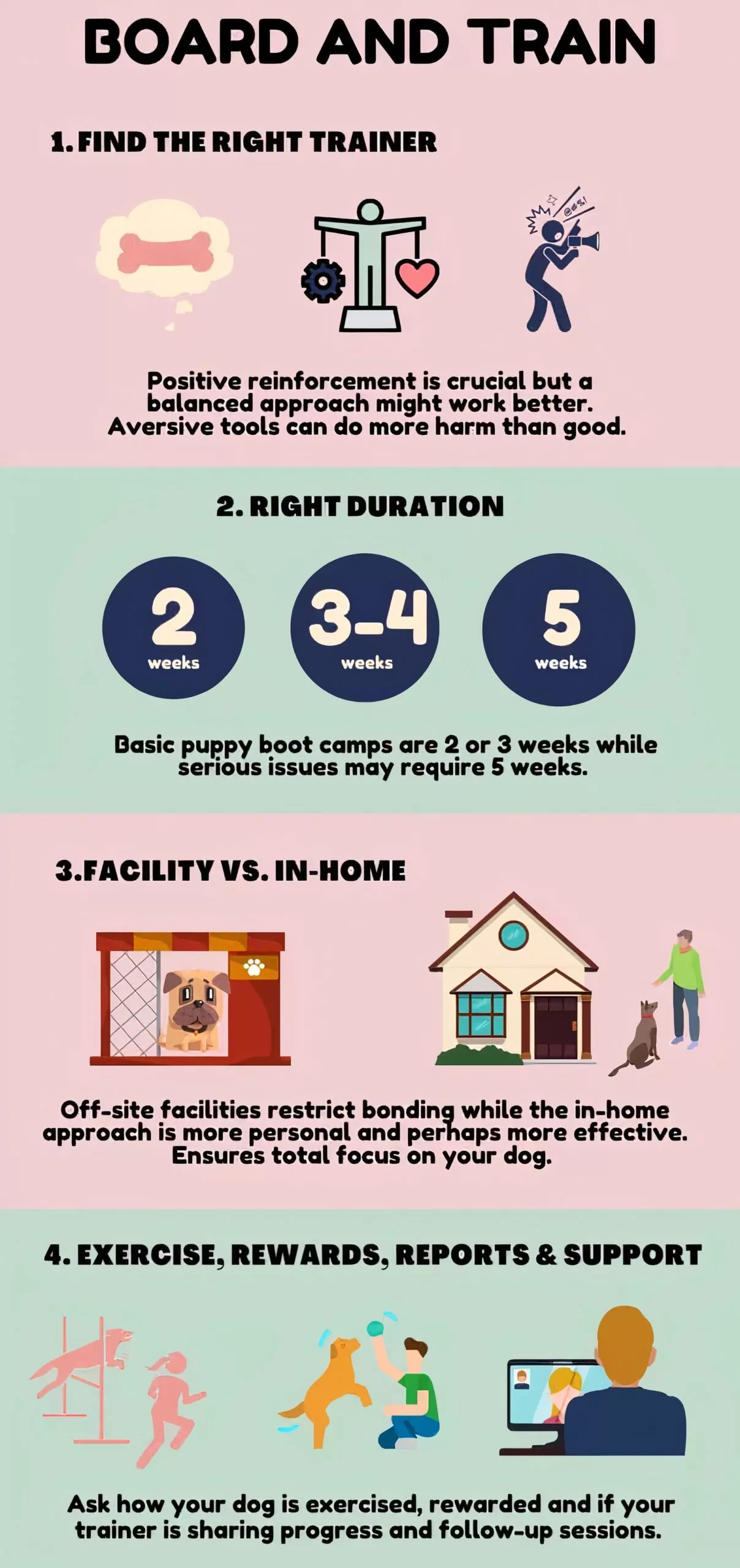
- Board and Train Programs: In these immersive programs, your dog lives with a professional trainer for a set period (often 2-4 weeks or longer) and receives intensive, around-the-clock training. These are the most expensive option, typically ranging from $1,000-$3,000 or more, but can yield rapid results for challenging behaviors.
- Specialty Training: Advanced training for specific disciplines like agility, protection work, or therapy dog certification will generally cost more due to the specialized skills and equipment involved.
Trainer’s Experience and Credentials
Highly experienced trainers with a proven track record, certifications from reputable organizations (like the Certification Council for Professional Dog Trainers – CCPDT), and specialized expertise will command higher fees. Their knowledge and ability to handle diverse breeds and temperaments are valuable assets.
Location and Overhead
Operating costs for dog training facilities, including rent, insurance, utilities, and equipment, vary by region. Trainers in high-cost-of-living urban or suburban areas often charge more than those in rural locations.
Breed and Temperament of the Dog
Some breeds or individual dogs may require more specialized training approaches due to their inherent traits (e.g., high prey drive, stubbornness) or existing behavioral issues (e.g., aggression, severe anxiety). This can necessitate more intensive or specialized training, thus increasing the cost.
Included Services
A comprehensive training package might include more than just training sessions. Some programs offer:
- Behavioral assessments
- Customized training plans
- Follow-up support and consultations
- Training equipment (collars, leashes, clickers)
- Written training materials or access to online resources
What to Expect in a Typical Training Package
When you invest in suburban K9 dog training, you’re not just paying for someone to teach your dog commands. You’re investing in a partnership that builds communication, trust, and a well-behaved companion. Here’s a breakdown of what’s commonly included:
Basic Obedience Focus
Most introductory programs cover essential commands:
- Sit: Teaching your dog to sit on cue.
- Stay: Encouraging your dog to remain in a position until released.
- Come: Ensuring your dog returns to you when called, crucial for safety.
- Down: Instructing your dog to lie down.
- Leave It: Training your dog to ignore temptations.
- Loose-Leash Walking: Preventing pulling while walking on a leash.
- Socialization: Gradually introducing your dog to various people, dogs, and environments in a controlled manner.
Addressing Common Behavioral Issues
Many trainers also help address prevalent problems such as:
- House training accidents
- Excessive barking
- Jumping on people
- Chewing inappropriate items
- Leash reactivity
- Mild separation anxiety
Training Methodologies
Reputable trainers will utilize positive reinforcement methods, which focus on rewarding desired behaviors. This approach is effective, humane, and builds a strong bond between you and your dog. Avoid trainers who advocate for punishment-based or aversive techniques, as these can create fear and aggression.
Maximizing Your Training Investment
To ensure you get the best results from your suburban K9 dog training investment, consider these tips:
Define Your Goals
Before choosing a program, clearly identify what you want to achieve. Are you looking for basic manners, help with a specific issue, or advanced skills? Having clear goals will help you select the most appropriate training.
Research and Vet Trainers Thoroughly
Don’t just pick the first trainer you find. Look for:
- Credentials and Certifications: Are they certified by recognized organizations?
- Experience: How long have they been training, and do they have experience with your dog’s breed or issues?
- Training Philosophy: Do they use positive reinforcement?
- Reviews and Testimonials: What do previous clients say?
- Consultation: Many trainers offer a free initial consultation. Use this to ask questions and get a feel for their approach.
Be an Active Participant
Your role in your dog’s training is crucial, especially in group or private sessions. You need to practice the techniques consistently at home between sessions. The trainer guides you, but you are the one who will be living with and continuing the training long-term.
Consistency is Key
Apply the training cues and rules consistently in all situations. Inconsistent application can confuse your dog and hinder progress. Ensure all family members are on the same page and using the same commands and methods.
Seek Follow-Up Support
If your training package includes follow-up support, utilize it. Don’t hesitate to contact your trainer if you encounter new challenges or need a refresher on certain techniques. Ongoing support can help maintain your dog’s good behavior.
Average Cost Breakdown for Suburban K9 Dog Training
While exact figures vary, here’s a general idea of what you might expect to pay in a suburban setting:
- Group Basic Obedience Classes (6-8 weeks): $100 – $300
- Private Training Sessions (per hour): $50 – $150
- Package of 5-10 Private Sessions: $300 – $1,000
- Board and Train Programs (2-4 weeks): $1,000 – $3,000+
- Behavior Modification Consultations (for severe issues): $150 – $400+ (often includes a training plan)
It’s important to remember that investing in quality training is an investment in a harmonious relationship with your dog, potentially saving you costs related to damage, vet bills from accidents, or even rehoming in severe cases.
When to Consider Professional Training
You might benefit from professional suburban K9 dog training if:
- You are a new dog owner and feel overwhelmed.
- Your puppy needs foundational socialization and obedience.
- Your adult dog has developed undesirable behaviors.
- You want to teach your dog advanced skills or specific tasks.
- You are experiencing challenges that you cannot resolve on your own.
- You want to deepen the bond and communication with your dog.
The cost of suburban K9 dog training is a worthwhile consideration for any responsible dog owner. By understanding the influencing factors, researching thoroughly, and actively participating in the process, you can ensure your investment leads to a well-behaved, happy, and integrated member of your family.
