
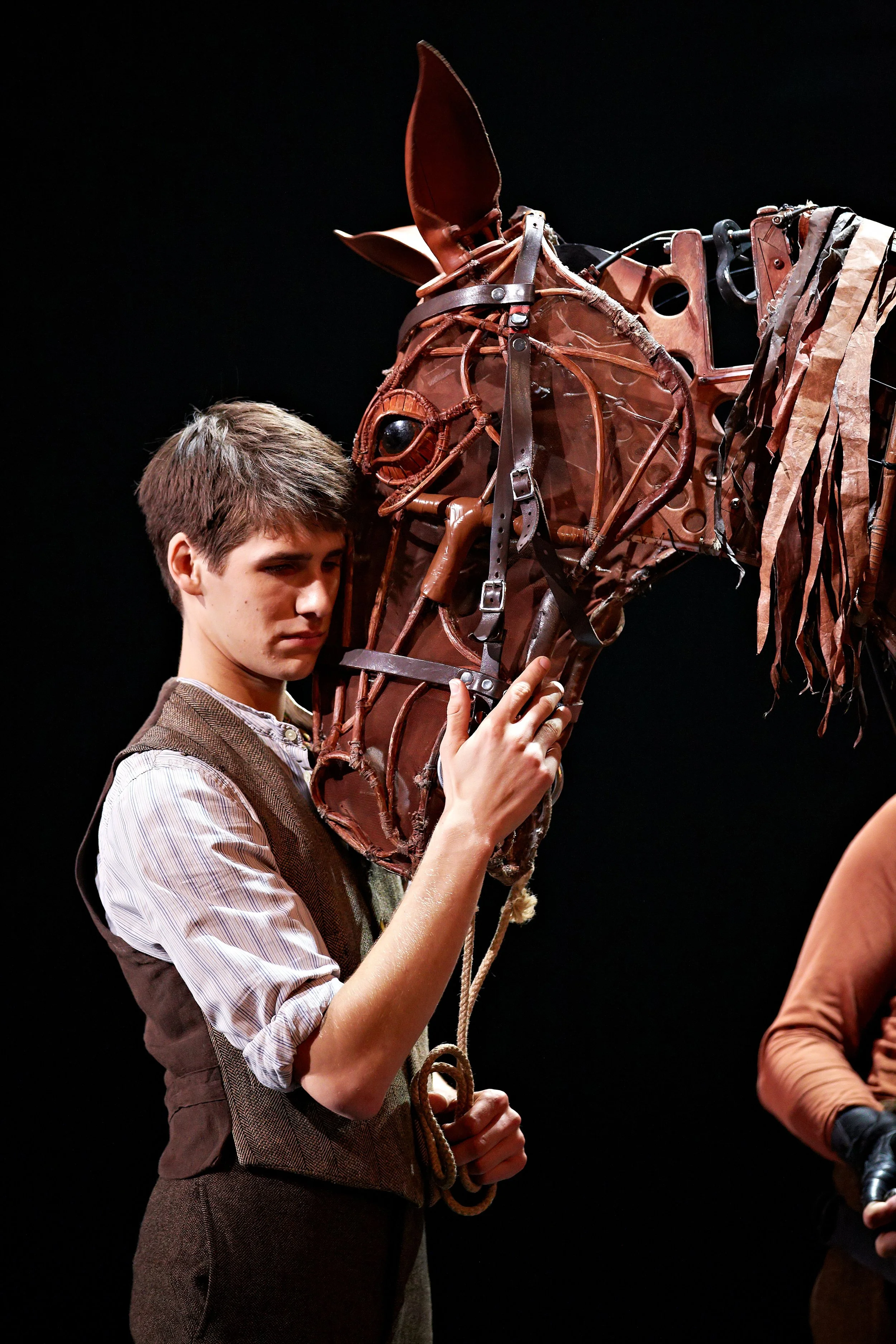
The theatre has a unique power to transport us, to make us feel deeply for characters and stories that unfold before our eyes. Few productions have captured this magic quite like the stage adaptation of War Horse. The powerful Story Of War Horse Play is more than just a narrative; it’s an emotional epic that combines breathtaking artistry with a profound tale of friendship, loyalty, and the devastating impact of conflict. It tells the story of Joey, a spirited horse, and his young owner, Albert, who are torn apart by the outbreak of World War I, sparking a journey across battlefields in a desperate search for reunion. It’s a testament to the enduring bond between humans and animals, brought to life with groundbreaking theatricality that leaves audiences speechless. The question of a story’s origins is always fascinating; for instance, many wonder, is slow horses based on a true story, and the same curiosity surrounds this equine epic.
From Novel to Stage: The Genesis of War Horse
The journey of War Horse began not on the stage, but on the page. The story was born from the mind of acclaimed author Michael Morpurgo, who was inspired after meeting World War I veterans in his village of Iddesleigh in Devon. One veteran, a cavalryman, confided in Morpurgo about the deep affection he held for his horse during the war. Another villager revealed how the army came to purchase horses from local farmers, a transaction that often meant parting with a beloved animal. These conversations planted the seed for a story that would explore the Great War from a unique and impartial perspective: that of a horse.
Adapting a novel told from an animal’s viewpoint presented a monumental challenge for the stage. The National Theatre in London took on this ambitious project, collaborating with the visionary Handspring Puppet Company of South Africa. Their task was to create a believable, breathing, and emotionally resonant horse that could carry the weight of the narrative. The result was a theatrical masterpiece that redefined the possibilities of puppetry and storytelling, creating a living, breathing soul out of cane, leather, and the skill of its performers.
The Heart of the Play: A Tale of Unbreakable Bonds
At its core, the story of War Horse play is an intimate tale of friendship set against the vast, impersonal canvas of war. It is a narrative of devotion that refuses to be extinguished by the chaos and destruction surrounding it.
Joey and Albert’s Friendship
The story begins in the rural tranquility of Devon, where a young boy named Albert Narracott forms an extraordinary bond with his horse, Joey. Albert raises Joey from a foal, teaching him to plough and nurturing him with love and care. Their connection is the emotional anchor of the entire story, a pure and simple friendship built on mutual trust and affection. This idyllic existence is shattered when Albert’s father sells Joey to the British cavalry to serve in World War I, a heartbreaking separation that sets the stage for the epic journey to come.
The Brutal Reality of War
Thrust into the maelstrom of the war, Joey experiences the conflict from multiple perspectives. He serves as a cavalry charge horse, a beast of burden for pulling ambulances and artillery, and even spends time behind German lines. Through Joey’s eyes, the audience witnesses the indiscriminate horror of war—the deafening shellfire, the treacherous mud of no-man’s-land, and the shared suffering of soldiers on both sides. The play doesn’t glorify combat; instead, it presents an unflinching look at its futility and the common humanity of those caught within it. The harrowing scenes are a powerful reminder of nature’s struggle against man-made destruction, a theme with parallels to the iconic scene in the neverending story horse mud.
A Journey of Hope and Reunion
Despite being underage, Albert is driven by a singular purpose: to find Joey and bring him home. He enlists in the army and his quest takes him through the trenches of France. The play masterfully builds towards their reunion, a climactic moment of recognition and relief that is one of modern theatre’s most powerful and emotionally charged scenes. It is a profound statement about hope’s ability to endure even in the darkest of times, celebrating the resilience of a bond that war could not break.
The Magic of Puppetry: Bringing Joey to Life
What makes the story of War Horse play a true theatrical phenomenon is its revolutionary use of puppetry. The work of Handspring Puppet Company is central to the show’s success, transforming intricate frames of cane and fabric into living, breathing creatures that command the stage.
The life-sized puppets, particularly of Joey and the rival horse Topthorn, are operated by three puppeteers who control the head, heart, and hind. These artists work in seamless harmony to create every subtle movement—a flick of the ear, a stamp of the hoof, a deep, shuddering breath. Their own performances are visible to the audience, yet they masterfully disappear, allowing the horse to become the complete focus. The puppets’ ability to convey emotion is astonishing; the audience can feel Joey’s fear, courage, and exhaustion. The expressiveness crafted by the puppeteers creates a profound connection, much like the unspoken communication highlighted in the mother horse eyes story. The magic lies in this “suspension of disbelief,” where spectators forget they are watching a construct and invest fully in the life of the animal.
Why the Story of War Horse Play Resonates So Deeply
The enduring appeal of War Horse stems from its universal themes, which are woven together to create a deeply moving and unforgettable experience. The story operates on multiple levels, appealing to audiences of all ages and backgrounds.
Themes of Loyalty and Courage
The unwavering loyalty between Albert and Joey is the emotional engine of the narrative. Albert’s courage is not that of a traditional war hero, but of a boy driven by love, willing to face the horrors of the front line for the chance to be reunited with his friend. Joey, in turn, displays incredible courage and resilience, surviving against all odds. This mutual devotion provides a powerful counterpoint to the chaos and destruction of the war.
A Universal Anti-War Message
By telling the story through the eyes of a horse, War Horse offers a uniquely powerful anti-war message. Joey is a neutral observer; he does not understand the politics or allegiances of the conflict. He experiences suffering and kindness from both British and German soldiers, highlighting their shared humanity. The play powerfully illustrates that in war, there is no real winner, only widespread loss and tragedy. It is a plea for peace and empathy, communicated not through sermons but through the quiet dignity of an animal caught in a human conflict.
The Human-Animal Connection
At its heart, the play is a celebration of the profound bond that can exist between humans and animals. It reminds us of a connection that is built on trust, empathy, and unconditional love. The story taps into a deep-seated understanding of how animals can bring out the best in us, offering comfort and companionship even in the most dire circumstances. The way the play explores this relationship elevates it beyond a simple war story into something more timeless and resonant, much like how other narratives explore the significance of horses, as seen in the rdr2 story new horses.
Frequently Asked Questions (FAQ)
Is the story of War Horse a true story?
The story of War Horse play is a work of fiction, but it was inspired by the true accounts of World War I veterans and the historical reality of the millions of horses that served and died during the conflict. Author Michael Morpurgo based the narrative on real experiences to create an authentic and moving tale.
How do the puppets in War Horse work?
The life-sized horse puppets, created by Handspring Puppet Company, are made from a cane frame with leather and other materials. Each horse is operated by three highly skilled puppeteers: one at the head, one at the heart, and one at the hind. They work together to control the horse’s movements, breathing, and emotional reactions, making it appear astonishingly lifelike.
What is the main message of the War Horse play?
The main message is a powerful anti-war statement that highlights the futility of conflict and the shared humanity of those on opposing sides. It is also a celebration of hope, courage, and the enduring power of friendship and loyalty between a boy and his horse.
Who wrote the original War Horse story?
The original War Horse novel, on which the play is based, was written by the British author Michael Morpurgo and was first published in 1982.
Is the War Horse play suitable for children?
The play is generally recommended for ages 10 and up. While it is a deeply moving story, it contains realistic depictions of war, including loud sound effects and intense scenes that may be frightening for younger children.
A Story for the Ages
The story of War Horse play is more than just a night at the theatre; it is an immersive, emotional journey that stays with you long after the final curtain call. Through its innovative puppetry and heart-wrenching narrative, it bridges the gap between animal and human experience, telling a story of devotion that shines brightly against the dark backdrop of war. It is a powerful reminder that even in the midst of unimaginable conflict, the bonds of love, loyalty, and hope can not only survive but ultimately triumph.
